
My Cart



Point of sale systems
Equip your point of sale with professional POS systems
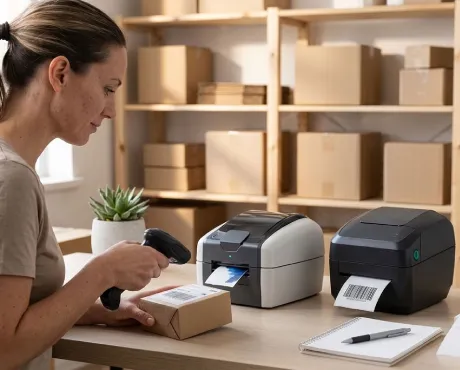
Optimise your in-store operations with professional point of sale systems designed for payments, product identification, printing and stock management. Discover our range of barcode scanners, printers, POS terminals, payment terminals, accessories and consumables for shops, retail businesses, restaurants, warehouses and other professional environments.
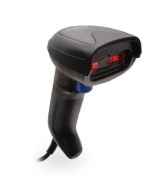
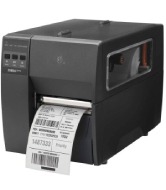
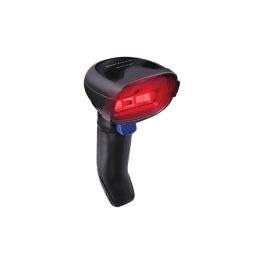
Datalogic QuickScan I QD2220 1D USB Scanner
IN STOCKWired USB 1D barcode scanner with 400 scans, Green Spot and stand included, ideal for POS, documents and electronic vouchers.- 1D scanner: reads all major linear barcodes, including GS1 DataBar codes
- Performance of up to 400 scans per second: fast scanning for checkouts and service counters
- Wide scanning field: easily captures long barcodes
- Datalogic Green Spot: visual confirmation with LED and audible signal
- On-screen scanning: also reads electronic vouchers displayed on a smartphone
- Robust: IP42 rating, trigger tested for 3 million activations and 1.5 m drop resistance
- Complete kit: includes a scanner, a USB cable and a foldable table stand
£60.99 £73.19 Incl. VATRef: DATAQD2220Compare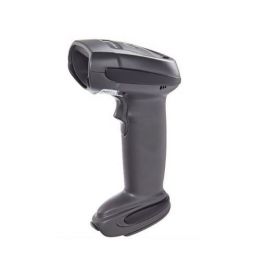
Zebra LI4278 – Wireless barcode scanner
IN STOCKA wireless Bluetooth 1D scanner designed for fast scanning at ranges of up to 100 m, with up to 57,000 scans per charge and IP53 protection.- High-performance 1D scanning: captures both printed barcodes and those displayed on mobile devices
- Bluetooth 2.1 connection: wireless operation with a range of up to 100 m
- Long battery life: up to 57,000 scans per charge and 72 hours of operation
- Fast scanning: speeds of up to 547 scans per second
- IP53: resistant to dust, spray cleaning and drops from up to 1.8 m onto concrete
- Captures 100 per cent UPC-A codes up to 78.7 cm and 200 per cent UPC-A codes up to 140 cm
- Professional management: compatible with 123Scan, Remote Scanner Management and Zebra Scanner SDK
£200.99 £241.19 Incl. VATRef: ZEBLI4278Compare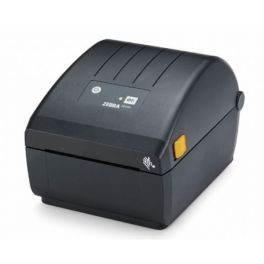
Zebra ZD220 desktop printer
Call us for availability10 cm label printer with thermal technology, 203 DPI resolution, a print speed of 102 mm/sec and a fast USB connection.- Printing technology: direct thermal or thermal transfer
- 203 DPI resolution: excellent print quality
- Print speed: 102 mm/sec
- USB connectivity
- LED indicator for print status
- Print DNA software with Link-OS Basic technology
- Energy Star certified: reduces running costs
£165.99 £199.19 Incl. VATRef: ZEBZD220Compare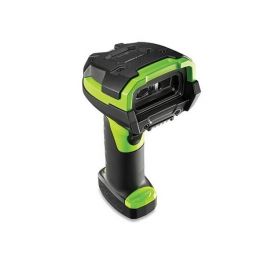
Zebra LI3608 – Ultra-rugged barcode scanner
Call us for availabilityUltra-rugged 1D barcode scanner with Bluetooth.- 1D barcode scanner with Bluetooth
- High-performance scanning
- Extended range
- IP65 and IP67
- Ultra-rugged: withstands repeated drops from 2.40m onto concrete
£594.99 £713.99 Incl. VATRef: ZEBLI3608Compare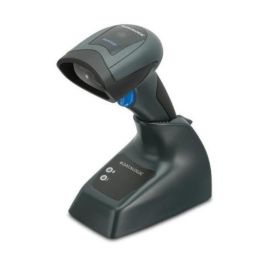
Datalogic QuickScan QM2131 Wireless 1D Scanner
Call us for availabilityWireless 1D barcode scanner with a 433 MHz radio, a range of up to 25 metres and a charging dock, for use in retail, stock-taking and goods receipt.- High-speed 1D code scanning: up to 400 scans per second
- Wireless freedom: Datalogic STAR 2.0 system at 433 MHz with a range of up to 25 m
- Up to 30,000 scans per charge: replaceable 1,400 mAh Li-ion battery
- Immediate visual confirmation of successful scans
- Robust: IP42 rating and drop resistance from a height of 1.5 m
- Long-code scanning: wide reading field and optimised depth
- Complete kit: includes a docking station/charger and a USB cable
£139.99 £167.99 Incl. VATRef: DATAQM2131Compare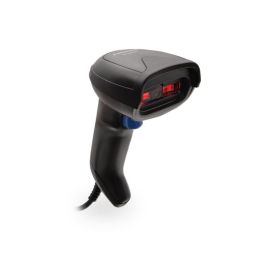
Datalogic Gryphon I GD4220 1D USB Scanner
Call us for availabilityWired 1D linear imager scanner with 400 scans per second, Green Spot, Motionix, IP52 protection and USB connection, supplied with a USB cable.- 1D linear scanner: reads linear barcodes, GS1 DataBar and high-density barcodes
- 400 scans per second: fast scanning thanks to a CCD sensor
- Green Spot and 3GL: immediate visual confirmation of a successful scan
- Motionix technology: detects movement and facilitates switching to standby mode
- Wired USB connection with support for USB-C and USB ports
- Large depth of field: reads Code 39 barcodes from 20 mil up to 147 cm
- IP52 rating, withstands drops from 1.8 m and housing compatible with disinfectants
£73.99 £88.79 Incl. VATRef: DATAGD4220Compare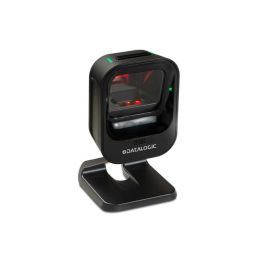
Datalogic Magellan 900i 2D USB Scanner + stand
Call us for availabilityOmnidirectional USB 2D scanner with a 1 MP sensor, Green Spot and adjustable stand, ideal for quick and presented scans at points of sale.- Omnidirectional 2D image scanner: reads 1D and 2D codes printed or displayed on screen
- 1 MP sensor (1,280 × 800 pixels) with barcode resolution up to 4 mil
- Datalogic Green Spot: immediate visual confirmation that the code has been successfully scanned
- Presentation scanning: adjustable stand for convenient hands-free use
- Adaptive lighting: improves comfort during frequent scanning operations
- IP52 rating: withstands drops from 1.2 m and electrostatic discharges in the air
£157.99 £189.59 Incl. VATRef: MAGMG0900Compare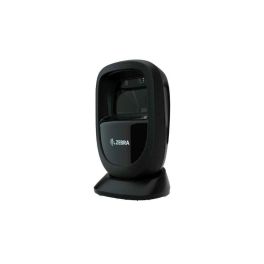
Zebra DS9308 Standard-range USB 2D scanner
Call us for availabilityUSB 1D/2D presentation scanner with a 1280 x 800-pixel sensor, standard-range scanning and a compact design for checkouts and retail outlets.- 1D/2D scanning: scans printed and on-screen barcodes
- 1,280 x 800-pixel sensor: accurate barcode scanning
- Standard range: optimised for short-range scanning
- USB connection: ready to connect to point-of-sale terminals
- Compact design: takes up little space and allows for hands-free use
- IP52 protection rating
- Zebra DataCapture DNA for scanner configuration and management
£148.99 £178.79 Incl. VATRef: ZEBDS9308Compare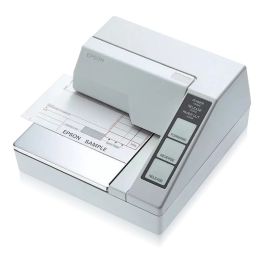
Epson TM-U295 RS232 Dot Matrix Printer
Call us for availabilityCompact flatbed dot matrix printer with an RS-232 connection, designed for professional printing of cheques, receipts and POS documents.- Flatbed dot matrix printing directly onto cheques, receipts and other documents
- Serial connection: RS-232 interface
- Cash drawer management: dedicated connection for integration into a POS environment
- Impact technology using a replaceable ribbon
- Lightweight design: weighs 1.6 kg for easy installation
£323.99 £388.79 Incl. VATRef: EPTMU295Compare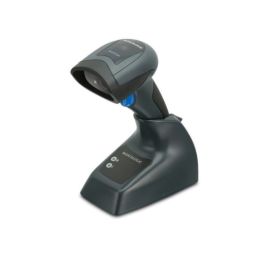
Datalogic QuickScan QBT2131 Bluetooth 1D Scanner
Call us for availabilityWireless 1D scanner with Bluetooth 3.0, a range of up to 25 m and a long-lasting battery, for retail, stock management and goods receipt.- Fast 1D scanning: up to 400 scans per second
- Bluetooth 3.0 connectivity: wireless communication at 2.4 GHz
- Range of up to 25 m: greater freedom of movement
- Compatible with iOS and Android: connection via the Bluetooth HID profile
- Up to 30,000 scans per charge: replaceable 1,400 mAh Li-ion battery
- Visual scan confirmation: integrated Datalogic Green Spot technology
- Robust: IP42-certified and resistant to repeated drops from a height of 1.5 m
£148.99 £178.79 Incl. VATRef: DATAQBT2131Compare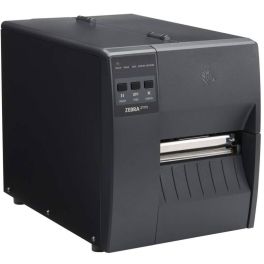
Zebra ZT111D Label printer
Call us for availabilityA professional label printer for those on a tight budget, offering 203 DPI direct thermal printing, with comprehensive connectivity including USB, Bluetooth and Ethernet.- Direct thermal printing: durable and crisp labels
- 203 DPI resolution: excellent print quality
- Print widths of 10.4 cm
- Robust construction: suitable for heavy-duty industrial use
- 256 MB memory
- Compatible with Windows, Android and iOS
- Multiple connectivity options: USB, Ethernet and Bluetooth
- Compatible with multiple barcode formats (QR code, PDF417 and Data Matrix)
£454.99 £545.99 Incl. VATRef: ZEBZT111TDCompare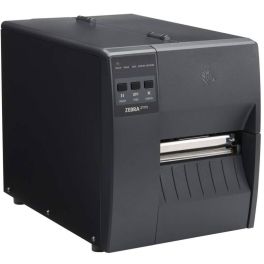
Zebra ZT111T Label printer
Call us for availabilityA professional label printer offering excellent print quality at 203 DPI with full Wi-Fi and Ethernet connectivity.- Direct thermal printing: durable, crisp labels
- 203 DPI resolution: excellent print quality
- Print widths of 104mm
- 450m ribbon capacity: extended runtime
- Robust construction: suitable for heavy-duty industrial use
- 256MB memory
- Compatible with Windows, Android and iOS
- Multiple connectivity options: Wi-Fi, Ethernet and USB
- Compatible with multiple barcode formats (QR code, PDF417 and Data Matrix)
£516.99 £620.39 Incl. VATRef: ZEBZT111TTCompare
Thunderbook Vega A400 - 2D long-range reader
Call us for availability4" rugged PDA with long-range 1D + 2D barcode scanner- 4" rugged PDA
- 1D + 2D barcode scanner with a long range of 15 to 20 metres
- Android 9 operating system (GMS + AER)
- Hot swap battery - hot-swappable
- 12h battery life and 4h charging time
- IP65 resistant and works with gloves
- On request
£1,123.99 £1,348.79 Incl. VATRef: THUNVEGA400LACompare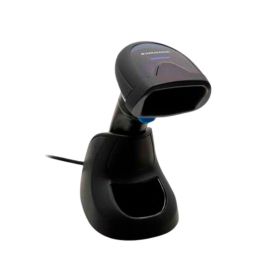
Datalogic QuickScan QBT2500 Bluetooth 1D/2D Scanner
Call us for availabilityWireless 1D and 2D scanner with Bluetooth, omnidirectional scanning and Green Spot to streamline payments, stock-taking and professional data capture.- 1D/2D scanning: captures linear barcodes, QR codes, Data Matrix, PDF417, etc.
- Bluetooth wireless connectivity: greater freedom of movement
- Omnidirectional scanning: makes data capture easier without having to position the code precisely
- Datalogic Green Spot: immediate visual confirmation of successful scans
- Screen scanning: suitable for codes displayed on smartphones
- IP52 protection rating
£157.99 £189.59 Incl. VATRef: DATAQBT2500Compare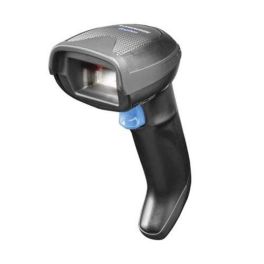
Datalogic Gryphon GM4500 Wireless 1D/2D Scanner
Call us for availability433 MHz wireless 1D and 2D scanner with a 1 MP sensor, inductive charging and omnidirectional scanning for professional barcode scanning.- 1D/2D scanning: captures linear barcodes, QR codes, Data Matrix, PDF417 and postcodes
- 1 MP sensor: offers omnidirectional scanning and the option to capture images
- 433 MHz wireless connection: STAR Cordless system with a range of up to 50 m
- Wireless induction charging
- 3,250 mAh battery: up to 80,000 scans per charge
- Advanced scan confirmation: Green Spot, 3GL, audible beep and vibration option
- Robust: IP52-certified and withstands drops from a height of 1.8 m onto concrete
£375.99 £451.19 Incl. VATRef: DATAGM4500Compare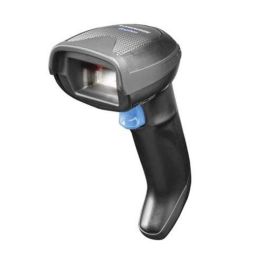
Datalogic Gryphon GBT4500 Bluetooth 1D/2D Scanner
Call us for availabilityWireless 1D and 2D scanner with Bluetooth, 1 MP sensor, inductive charging and omnidirectional scanning for professional barcode capture.- 1D/2D scanning: captures linear barcodes, QR codes, Data Matrix, PDF417, etc.
- 1 MP sensor: 1,280 x 800 pixel resolution for omnidirectional scanning
- Bluetooth 4.0 connectivity with a range of up to 100 m
- Wireless inductive charging
- 3,250 mAh battery: up to 80,000 scans per charge
- Successful scan confirmation: Green Spot, 3GL, audible beep and vibration
- IP52 protection and drop resistance from a height of 1.8 m onto concrete
£402.99 £483.59 Incl. VATRef: DATAGBT4500Compare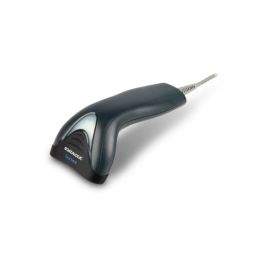
Datalogic Touch 65 Light 1D barcode scanner
Call us for availabilityCompact 1D linear imager scanner with a 6.5 cm reading window, a resolution of up to 0.102 mm and a drop resistance of 1.5 m.- Contact-based 1D scanning: reads linear barcodes, even if damaged
- 6.5 cm scan window: suitable for retail, administrative and financial applications
- Resolution up to 0.102 mm
- GS1 DataBar: recognises 1D codes and various linear and stacked GS1 DataBar symbologies
- Robust design: withstands repeated drops from 1.5 m onto concrete
- Feedback: good read LED and audible beep with adjustable tone
- Professional interfaces: available in USB or RS-232/Keyboard Wedge versions
£51.99 £62.39 Incl. VATRef: DATATOUCH65Compare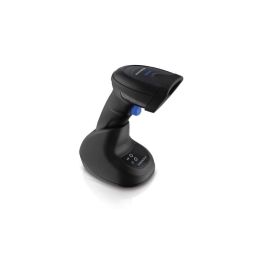
Datalogic QuickScan QM2500 Wireless 2D Scanner
Call us for availabilityWireless 2D scanner operating at 433 MHz with a 1 MP sensor, Green Spot, Motionix and a range of up to 30 m, supplied with a base and a USB cable.- 1 MP 2D scanner: reads 1D, 2D, postal, stacked and composite codes
- Wireless STAR 433 MHz: two-way communication with a range of up to 30 m
- Datalogic Green Spot: visual confirmation of successful code reading
- Motionix: motion detection for seamless transitions between scanning modes
- 3,250 mAh battery: up to 115,000 scans per charge
- IP52-rated design: withstands repeated drops from 1.5 m onto concrete
- Complete kit including BC2090 docking station and USB cable
£157.99 £189.59 Incl. VATRef: DATAQM2500Compare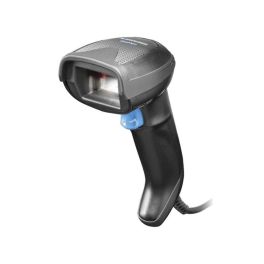
Datalogic Gryphon I GD4520 2D USB Scanner + stand
Call us for availabilityWired USB 2D scanner with a 1 MP sensor, Green Spot, Motionix and IP52 protection, supplied with a USB cable and a stand for professional workstations.- 1 MP 2D image sensor: accurate omnidirectional scanning of 1D and 2D codes
- USB interface: stable connection to professional workstations
- Green Spot and 3GL: immediate visual feedback to confirm successful scanning
- Motionix technology: facilitates switching between scanning modes
- 35 IPS motion tolerance: promotes efficient data capture
- IP52: compatible with disinfectants and resistant to drops of 1.8 m onto concrete
- Complete kit including 90A052258 USB cable and stand
£165.99 £199.19 Incl. VATRef: DATAGD4520Compare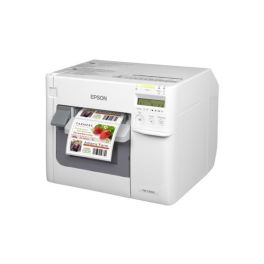
Epson ColorWorks C3500 Colour Label Printer
Call us for availabilityDesktop inkjet printer for colour labels with a print width of up to 104 mm, a resolution of 720 x 360 dpi and a print speed of up to 103 mm/s.- Colour printing: produces customised labels, boxes and cards in-house
- Resolution up to 720 x 360 dpi: reproduces text, images, logos and barcodes
- Maximum speed 103 mm/s: optimises colour label production
- Separate pigment inks: allow you to replace only the colour that has run out
- Print width up to 104 mm
- Compatible with matt and glossy paper, pre-cut labels and media with a black border
- Automatic cutter: simplifies label production and separation
£1,094.99 £1,313.99 Incl. VATRef: EPTMC3500Compare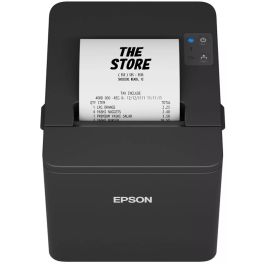
Epson TM T20IV USB + Serie Ticket Printer
Call us for availabilityA fast and reliable 80 mm POS thermal printer with a print speed of 250 mm/s, automatic paper feed and USB + serie connections.- Solution designed for retail outlets, shops and hotels
- Fast thermal printing: speeds of up to 250 mm/s to streamline receipt printing
- Cost-effective management: automatic reduction of margins, line breaks and barcode height
- Two paper widths: compatible with 80 mm and 58 mm rolls
- Flexible connectivity: USB 2.0 and RS-232
- Reliability: mechanism designed for 15 million lines and a paper cutter rated for 2 million cuts
- Precise printing: resolution of 203 x 203 dpi
£146.99 £176.39 Incl. VATRef: EPTMT204Compare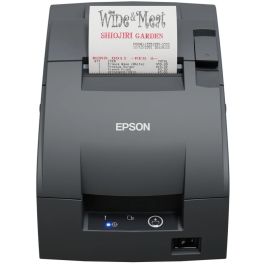
Epson TM-U220IIB RS232 Dot Matrix Printer
Call us for availabilityPOS dot matrix printer with RS-232 serial connection, three roll widths, automatic cutter and end-of-paper sensor.- Dot matrix printing: needle-based technology for printing receipts in a POS environment
- RS-232 serial connection: wired interface
- Three paper sizes: accepts rolls 76, 69.5 and 57.5 mm wide
- Automatic cutting: built-in cutter with partial cut to facilitate receipt separation
- Print head rated for 150 million characters and paper cutter rated for up to 800,000 cuts
- Paper management: end-of-roll sensor for easy monitoring of consumables
- Connection to cash drawer: integration into a point-of-sale system
£288.99 £346.79 Incl. VATRef: EPTM2202BCompare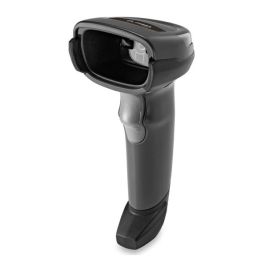
Zebra DS2208 Wired USB 1D/2D Scanner
Call us for availabilityZebra DS2208 wired USB scanner for 1D and 2D barcodes: PRZM omnidirectional scanning, reading range up to 36.8 cm, IP52 rating and drop resistance from a height of 1.5 m.- 1D and 2D scanning: captures Code 39, 128, EAN/UPC, Data Matrix, PDF417 and QR codes
- Wired USB connection
- PRZM decoding to facilitate barcode scanning even when the barcode is damaged
- Omnidirectional scanning for faster day-to-day use
- Reading range up to 36.8 cm: reads a 13-mil UPC code from 1.3 to 36.8 cm
- Robust: withstands drops of 1.5 m onto concrete and has an IP52 ingress protection rating
- Pre-configuration, support for 90 international keyboards and management via Zebra 123Scan
£87.99 £105.59 Incl. VATRef: ZEBDS2208Compare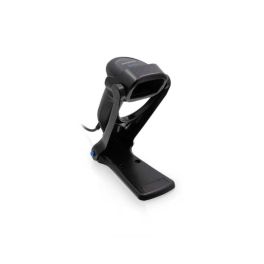
Datalogic QuickScan QW2520 2D USB Scanner
Call us for availabilityWired USB 2D scanner with VGA sensor, omnidirectional scanning, Green Spot, Motionix and IP52 protection, supplied with cable and stand.- VGA 2D image sensor: omnidirectional reading of 1D and 2D codes
- Versatile scanning: linear, 2D, postal, stacked and composite codes
- Green Spot: visually confirms successful code capture
- Motionix technology: detects movement to ensure smooth transitions between scanning modes
- USB connection: wired model compatible with USB-C and USB
- IP52 rating: withstands repeated drops from 1.5 m onto concrete
- Complete kit: supplied with the 90A052258 USB cable and the STD-QW25-BK mount
£57.99 £69.59 Incl. VATRef: DATAQW2520Compare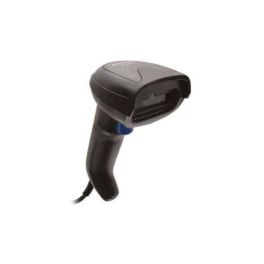
Datalogic Gryphon GD4290 Multi-interface 1D Scanner
Call us for availabilityPremium wired 1D scanner with 400 scans per second, Green Spot, Motionix, USB-C, USB and RS-232 connections, and IP52 protection.- 1D scanner: reads linear barcodes, including GS1 DataBar
- 400 scans per second: high performance with resolution up to 3 mil
- Multi-interface: supports USB-C, USB and RS-232 interfaces
- Green Spot and 3GL: immediate visual confirmation that the code has been successfully scanned
- Motionix technology: detects scanner movement
- Range up to 147 cm: captures codes from a long distance and reads codes displayed on smartphones
- IP52 certification, ‘Disinfectant-Ready’ housing and resistance to repeated drops from 1.8 m
£82.99 £99.59 Incl. VATRef: DATAGD4290Compare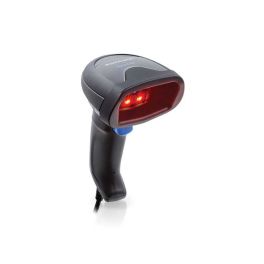
Datalogic QuickScan QD2590 Multi-interface 2D Scanner
Call us for availability1 MP wired 2D scanner with Green Spot, Motionix and USB-C, USB and RS-232 connections, supplied with a USB cable and a flexible mount.- 1MP 2D image sensor: reads 1D, 2D, postal, stacked and composite codes
- Omnidirectional scanning: does not require precise code orientation
- Green Spot: visually confirms successful scanning directly on the code
- Motionix: detects movement to ensure smooth transitions between modes
- Multi-interface: supports USB-C, USB and RS-232 interfaces
- IP52-rated: withstands repeated drops from 1.5 m onto concrete
- Complete kit: scanner, USB cable and flexible stand
£69.99 £83.99 Incl. VATRef: DATAQD2590Compare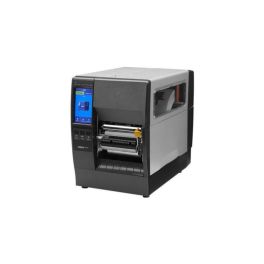
Zebra ZT231D Direct Thermal Printer
Call us for availabilityA 203 dpi direct thermal industrial printer with speeds of up to 305 mm/s, a 4.3" touchscreen display and USB, Ethernet and serial connectivity.- Direct thermal printing: ideal for professional labels
- 203 dpi resolution: produces crisp text and barcodes
- Speeds of up to 305 mm/s: supports high-volume print workloads
- 4.3-inch colour touchscreen: simplifies setup, monitoring and day-to-day use
- USB, Ethernet and RS-232: offers versatile standard connections
- Metal chassis: designed for use in light industrial environments
- Zebra Print DNA: simplifies configuration, management, security and maintenance
£516.99 £620.39 Incl. VATRef: ZEBZT231DCompare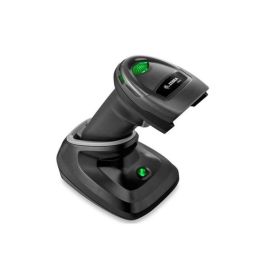
Zebra DS2278 SR Bluetooth 1D/2D Scanner
Call us for availabilityWireless 1D and 2D scanner with Bluetooth, PRZM technology and omnidirectional scanning to speed up payments and code scanning in professional environments.- 1D/2D scanning: captures linear barcodes, QR codes, Data Matrix, PDF417 and other symbologies
- Bluetooth 4.0: wireless operation with HID and serial port profiles
- Zebra PRZM technology: optimises the decoding of poor-quality codes
- Omnidirectional scanning: captures codes without the need for prior alignment with the scanner
- Wide reading range: between 13 mm and 36.8 cm
- 2,400 mAh battery
- Robust: withstands multiple drops from a height of 1.5 m onto concrete
£157.99 £189.59 Incl. VATRef: ZEBDS2278Compare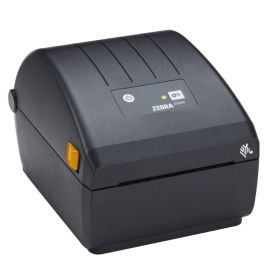
Zebra ZD230 Label printer
Call us for availability4-inch label printer with high-quality thermal printing at 203 dpi and a speed of 152 mm/sec for optimum productivity.- Thermal printing: durable and crisp labels
- 203 DPI resolution: excellent print quality
- Print speed of 152 mm/sec: optimum productivity
- Print widths from 25.4 to 112 mm
- USB connectivity: quick and easy to use
- Compatible with multiple barcode formats (1D, 2D, QR)
£253.99 £304.79 Incl. VATRef: ZEBZD230Compare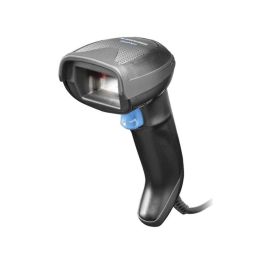
Datalogic Gryphon I GD4590 Multi-interface 2D Scanner
Call us for availabilityWired 2D scanner with a 1 MP sensor, Green Spot, Motionix and USB, USB-C and RS-232 interfaces, designed for intensive professional use.- 1 MP 2D image sensor: accurate omnidirectional scanning of 1D and 2D codes
- Multiple interfaces: USB-C, USB and RS-232
- Green Spot and 3GL: visual feedback to confirm successful code reading
- Motionix technology: facilitates switching between reading modes
- High motion tolerance: up to 35 IPS
- Professional IP52 design: withstands drops of 1.8 m onto concrete
- Versatile scanning: 1D, 2D, postal, stacked and composite codes, plus image capture
£165.99 £199.19 Incl. VATRef: DATAGD4590Compare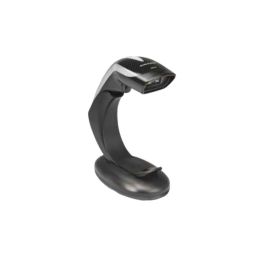
Datalogic Heron HD3430 2D USB Scanner + stand
Call us for availabilityUSB 2D scanner with Wide VGA sensor, Green Spot, omnidirectional scanning and AutoSense mode, supplied with a stand and cable for POS terminals.- 2D scanner: reads 1D, 2D, postal, stacked and composite codes
- Wide VGA sensor: 752 × 480 pixel resolution and image capture capability
- Datalogic Green Spot: visual confirmation of successful scanning
- AutoSense mode: automatically switches from manual mode to presentation mode
- Customisable feedback: multi-coloured LEDs and polyphonic speaker
- Designed for the retail sector: withstands drops from 1.5 m and IP40-rated
- Complete USB kit with AutoSense stand and USB cable
£160.99 £193.19 Incl. VATRef: DATAHD3430Compare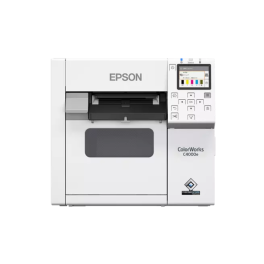
Epson ColorWorks C4000e BK Colour Label Printer
Call us for availabilityDesktop inkjet printer for colour labels with a resolution of up to 1200 x 1200 dpi, a print width of 108 mm, an automatic cutter and an LCD display.- PrecisionCore technology: detailed and customised colour printing
- Resolution of up to 1,200 x 1,200 dpi for text, images and logos
- Speed of up to 100 mm/s: designed for small to medium-volume production
- Print width of up to 108 mm: suitable for various label formats
- 2.7-inch colour LCD screen: simplifies setup, monitoring and day-to-day use
- Automatic cutter: built-in and replaceable without the need for a technician
- Supports ESC/Label and ZPL II emulation, with drivers for Windows, Linux and Mac
£1,523.99 £1,828.79 Incl. VATRef: EPCWC4000ECompare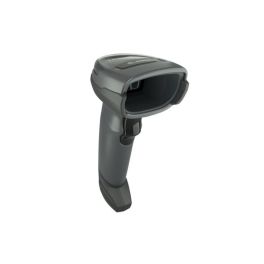
Zebra DS4608 SR 2D USB Scanner with Stand
Call us for availabilityStandard-range wired USB 2D scanner with a 1280 × 800 sensor, 1D/2D scanning, IP52 protection, shielded cable and stand included.- 1D/2D image scanner with omnidirectional scanning
- 1,280 × 800-pixel sensor: accurate scanning
- Wired USB connection: stable connection
- Manual and presentation modes: can be used handheld or on a stand
- Direct decoding indicator: visual confirmation of successful scanning
- IP52: resistant to dust, splashes and drops from a height of 1.8 m
- Complete USB kit with shielded USB cable and stand
£117.99 £141.59 Incl. VATRef: ZEBDS4608SRCompare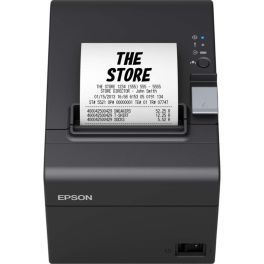
Epson TM-T20III USB Serial Receipt Printer
Call us for availability80 mm POS thermal printer with a print speed of 250 mm/s, featuring USB and serial connections, automatic paper-saving mode and a built-in paper cutter.- Fast thermal printing: speeds of up to 250 mm/s for efficient receipt printing
- Flexible wired connection: version equipped with USB and serial interfaces
- Paper savings: automatic reduction of margins, line breaks and barcode height
- 80 and 58 mm rolls: two widths supported
- Reliability: mechanism designed for 15 million lines and print head rated for 150 km
- Automatic cutter: partial cut with a lifespan of up to 1.5 million cuts
- Versatile installation: wall mount supplied to optimise space
£122.99 £147.59 Incl. VATRef: EPTMT20IIICompare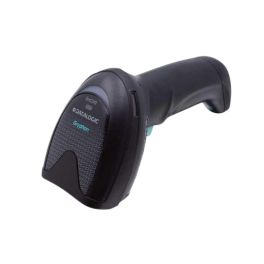
Datalogic Gryphon GM4200 Wireless 1D Scanner
Call us for availability433 MHz wireless 1D scanner with a range of up to 50 m, inductive charging and Green Spot, for retail, services and professional data capture.- High-performance 1D scanning: up to 400 scans per second and 3-millimetre resolution
- 433 MHz wireless connection: Datalogic STAR Cordless system with a range of up to 50 metres
- Up to 80,000 scans per charge: replaceable 2,550 mAh Li-Ion battery
- Wireless inductive charging
- Green Spot and 3GL: clear visual confirmation of successful scans
- Robust: IP52 rating and resistance to drops from 1.8 m onto concrete
- Disinfection-resistant housing
£200.99 £241.19 Incl. VATRef: DATAGM4200Compare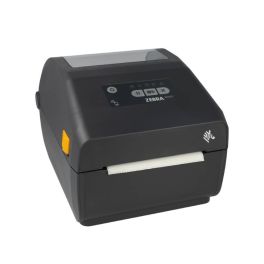
Zebra ZD421 label printer
Call us for availabilityProfessional-grade label printing with fast 152mm/sec output, high 203 DPI resolution, and versatile connectivity options including Bluetooth 5.0 and Ethernet.- 203 x 203 DPI resolution for crisp, professional-quality label output
- 152 mm/sec print speed enabling rapid label production
- Multiple connectivity options including Ethernet, Bluetooth 5.0, and USB
- 10.4 cm maximum print width suitable for most standard label formats
- 256 MB internal memory for reliable performance
- 512 MB Flash storage for extensive label template storage
- LCD display for easy operation and status monitoring
- Thermal transfer technology for durable, long-lasting prints
£419.99 £503.99 Incl. VATRef: ZEBZD4A042Compare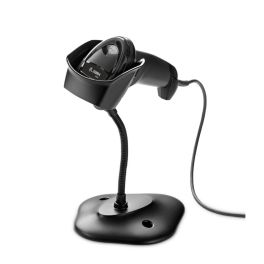
Zebra DS2208 1D/2D USB scanner with stand
Call us for availabilityWired 1D/2D scanner with USB cable and presentation stand, offering omnidirectional scanning and automatic switching to hands-free mode.- 1D and 2D scanning: supports Code 39, Code 128, EAN/UPC, Data Matrix, PDF417 and QR codes
- USB cable included
- Standing stand: automatically switches from handheld to hands-free mode
- PRZM decoding for easier barcode reading
- Omnidirectional scanning: scans codes without requiring precise alignment
- Robust design: IP52-rated and withstands drops of 1.5 m onto concrete
- Simplified deployment: configuration via Zebra 123Scan and support for 90 international keyboards
£109.99 £131.99 Incl. VATRef: ZEBDS2208SRCompare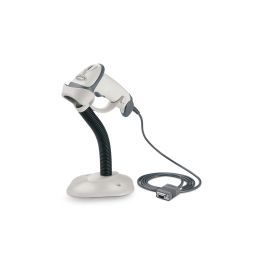
Zebra LS2208 1D USB laser scanner + stand
Call us for availabilityWired USB 1D laser scanner with 100 scans per second, UPC reading range up to 63.8 cm and stand included, ideal for POS, retail and stock-taking.- 1D laser scanner: reads linear barcodes, UPC/EAN codes, Code 39, Code 128 and GS1 DataBar
- 100 scans per second: smooth scanning for checkout or stock-taking
- Reads 13-mil UPC codes from a distance of up to 63.8 cm
- High density: minimum resolution of 3 mil
- Robust: withstands drops from a height of 1.5 m onto concrete
- USB kit with stand: complete wired setup
£59.99 £71.99 Incl. VATRef: ZEBLS2208Compare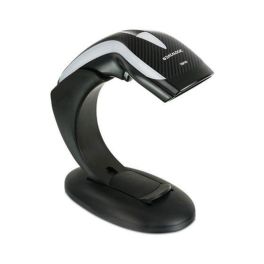
Datalogic Heron HD3130 1D USB Scanner + stand
Call us for availabilityWired USB 1D linear imager scanner with 270 scans per second, Green Spot, customisable LED lighting and a stand included for POS terminals.- 1D scanner: reads linear barcodes, including the GS1 DataBar
- 270 scans per second: 2,500-pixel CCD sensor and resolution up to 4 mil
- Datalogic Green Spot: visually confirms successful code reading
- Customisable feedback: multi-coloured LEDs and polyphonic speaker
- Manual and presentation modes: automatic switching to suit different operations
- Wired USB connection: stable integration into professional point-of-sale systems
- Complete kit with USB cable and stand
£95.99 £115.19 Incl. VATRef: DATAHD3130Compare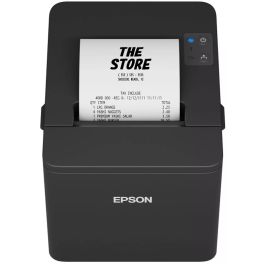
Epson TM-T20IV USB/Ethernet Receipt Printer
Call us for availability80 mm POS thermal printer with a print speed of 250 mm/s, featuring USB, RS-232 and Ethernet connectivity, automatic paper feed adjustment and a built-in paper cutter.- High-speed thermal printing: speeds of up to 250 mm/s to speed up ticket printing
- Triple connectivity: USB 2.0, RS-232 and 10/100 Base-T Ethernet interfaces
- Paper savings: automatic reduction of margins, line spacing and barcode height
- 80 and 58 mm formats: compatible with two roll widths
- Reliability: mechanism rated for 15 million lines and paper cutter rated for 2 million cuts
- Clear printing: 203 x 203 dpi resolution
- Flexible installation: wall mount supplied for easy integration
£153.99 £184.79 Incl. VATRef: EPTMTV204Compare
Which equipment should you choose for your point of sale?
The equipment you need depends on your business, transaction volume and day-to-day operations. A business can combine several devices to identify products, print labels or receipts, process payments and manage stock. Here are the main types of point of sale equipment and their functions.
| Barcode scanners | For quickly scanning 1D or 2D barcodes at the point of sale, during order preparation or for stock management. |
| Printers | For printing labels, barcodes, receipts and other materials required for day-to-day operations. |
| POS terminals | For entering, reading and transmitting data in shops, warehouses or during logistics operations. |
| Payment terminals | For accepting electronic payments and making checkout easier at the counter or on the move. |
| Accessories | Cradles, charging stations, batteries and cables to complement your equipment and keep it ready for everyday use. |
| Consumables | Labels, thermal paper and ribbons designed for different professional printing systems. |
How to choose the right point of sale equipment
- OK Identify the operations required: payments, barcode scanning, printing, stocktaking or order preparation.
- OK Assess how often it will be used: occasional, daily or intensive professional use.
- OK Check connectivity: USB, Bluetooth, Wi-Fi or Ethernet, depending on the equipment and your infrastructure.
- OK Check compatibility: make sure peripherals, accessories and consumables are compatible with your existing equipment.
- OK Consider the working environment: mobility, available space, dust, impacts or use in a warehouse.
- OK Plan for future requirements: for multiple workstations or sites, choose equipment that is easy to deploy, maintain and replace.
Point of sale systems for different industries
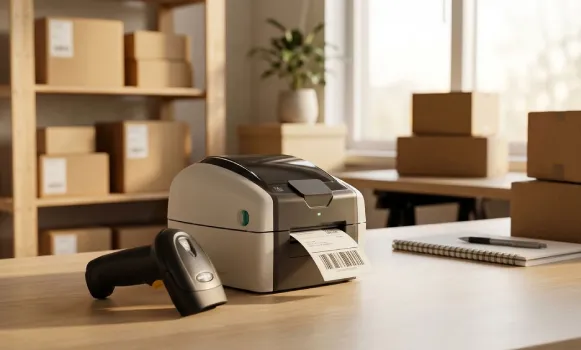
Point of sale equipment is used for much more than processing payments. In shops and retail businesses, scanners and printers help identify products, print labels and streamline checkout. In restaurants and hospitality, receipt printers and mobile terminals make it easier to take orders and process payments. In warehouses and logistics, terminals and barcode scanners support stocktaking, goods receiving, order preparation and product traceability.
Key technologies for your point of sale system
Different technologies may be required depending on your equipment. 1D barcodes are widely used for product identification, while 2D codes, including QR codes, can store more information. Scanners can connect via USB or offer wireless connectivity such as Bluetooth. For receipt and label printing, thermal printing technology provides fast printing suited to professional use. The right choice will always depend on the type of media, usage volume and your working environment.
Why choose Onedirect?
Onedirect can help you choose the right professional point of sale equipment, whether you need to equip a single workstation or multiple users. Our range includes barcode scanners, printers, POS terminals, accessories and consumables from specialist brands. Our advisers can help you check product specifications and compatibility to select the right equipment for your business.
FAQ – Frequently asked questions
What is a point of sale system?
A point of sale system includes the equipment used to manage the day-to-day operations of a shop or other professional environment. A POS system can include barcode scanners, receipt or label printers, terminals, payment equipment, accessories and consumables.
What equipment do you need for a point of sale?
It depends on the type of business. A shop may need a barcode scanner, receipt printer and payment terminal, while a warehouse may rely on mobile terminals, scanners and label printers for stock management and traceability.
What is the difference between a 1D and 2D barcode scanner?
A 1D scanner reads traditional linear barcodes. A 2D scanner can also read two-dimensional codes such as QR codes. The right choice depends on the barcode formats used by your business.
Which printer should you choose for a retail business?
For till receipts, a dedicated thermal receipt printer is generally suitable. For product identification, shipping or stock management, choose a label printer compatible with the required label format and printing volume.
How can you check compatibility between POS equipment?
Check the connection interfaces, systems and software used, as well as compatible accessories and consumables. For printers, also check the dimensions and type of media supported.
Which POS equipment should you choose for intensive use?
For intensive daily use, choose professional equipment designed for your working environment and transaction volume. Durability, battery life for mobile devices, scanning or printing speed and the availability of accessories are all important factors to consider.