
My Cart



Forestry and Hunting Two-Way Radios
Secure outdoor communication for forestry, forest operations and hunting
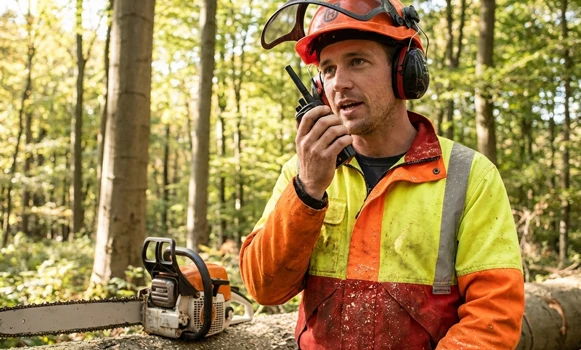
Two-way radios for hunting are built for environments where rain, mud, cold, noise and long distances are part of daily work. Whether you need hunting radios, hunting walkie-talkies, or robust solutions for forestry work and woodland operations, the essentials are a reliable range in open areas, a connection for hearing protection headsets, and safety features such as an emergency alert or man-down function. That is exactly what modern two-way radios for hunting are designed to deliver.
- IconBest Seller
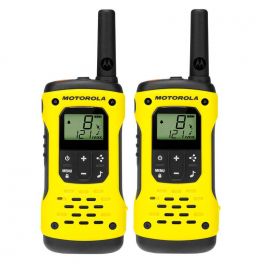
Motorola T92 Radio Twin Pack
License-free PMR446 UHF walkie-talkies rugged and waterproof radios for all adventures with IP67 standards.- License-free radio, PMR446
- 8 channels + 121 sub-channels
- Screen
- 20 ringtones
- Hands-free function
- Emergency alert button
- IP67 standard: submersible up to 1m for 30 min.
- Battery lasting up to 16 hours
- Vibration alert
- Range up to 10 km in perfect conditions, without obstacles
IN STOCK4.7 of 136 Reviews£128.33£84.99 £101.99 Incl. VATRef: MOT92Compare - IconBest Seller
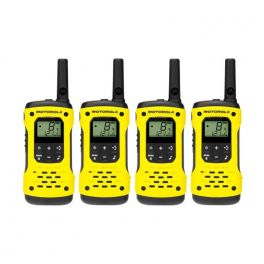
Motorola TLKR T92 H2O Quad Pack
Waterproof and floatable PMR446 licence free two way radio- IP67 –floatable and waterproof
- Rugged construction
- 16 channels + 121 codes
- NiMH batteries
- Up to 10km*
IN STOCK4.6 of 136 Reviews£256.66£164.88 £197.86 Incl. VATRef: MOT92QCompare 
Motorola TLKR T92 H2O - Six Pack
Waterproof and floatable PMR446 licence-free radios.- IP67 –floatable and waterproof
- Rugged construction
- 16 channels + 121 codes
- NiMH batteries
- Up to 10km*
IN STOCK4.6 of 136 Reviews£384.99£247.32 £296.79 Incl. VATRef: MOT92SCompare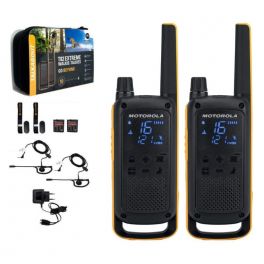
Motorola Talkabout T82 Extreme (EU Version)
Pack of 2 robust walkie-talkies designed for effective everyday communication.- Pair of PMR446 walkie-talkies (free calls)
- 16 channels and 121 sub-channels
- iVOX function: automatic voice detection
- IPX4 certified: splash-proof
- Range: up to 10km (depending on environment)
- Battery life: 18h in normal use
- Compatible with all PMR446 walkie-talkies
- EU to UK adaptor included
IN STOCK4.2 of 159 Reviews£104.99£62.99 £75.59 Incl. VATRef: MOT82EXCompare- Onedirect Recommends
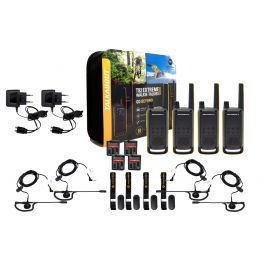
Motorola Talkabout T82 Extreme Quad Pack (EU Version)
Pack of 4 robust, powerful walkie-talkies for smooth communications in all types of environments- Pack of 4 walkie-talkies
- PMR446 frequency (free calls)
- HD audio: noise suppression
- iVOX function: automatic voice detection
- 16 channels and 121 sub-channels
- IPX4 certified: splash-proof
- Range of up to 10km (depending on the environment)
- Battery life: up to 18h in normal use
- Compatible with all PMR446 walkie-talkies
- Supplied with: Carrying case, chargers, earphones, hand strap and belt clip
- EU to UK adaptor included
IN STOCK4.6 of 264 Reviews£180.00£141.99 £170.39 Incl. VATRef: MOT82EXQUADCompare 
Motorola T82 Extreme Six-Pack (EU Version)
Pack of 6 Motorola T82 Extreme walkie-talkies, license-free, IPx4 resistant, and durable. Delivered with a case- Pair of PMR446 walkie-talkies (free calls)
- 16 channels and 121 sub-channels
- iVOX function: automatic voice detection
IN STOCK4.5 of 159 Reviews£314.97£183.30 £219.96 Incl. VATRef: MOT82EXSIXCompare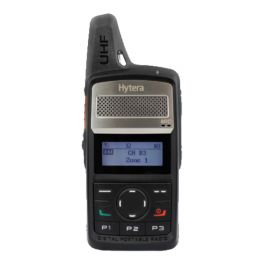
Hytera Walkie Talkie - HYT PD365LF
IN STOCKAnalogue or Digital Two-Way Radio!- Ideal format, designed to fit in your pocket
- Charging via micro USB
- Dual mode: analogue and digital for clearer communication
- Superior audio quality
- In digital mode, 12-hour battery life based on a 5-5-90 usage cycle
- Private calls, group calls, and all-call function
- Continuous channel scanning can be enabled
£215.99£193.99 £232.79 Incl. VATRef: HYTPD365LFCompare- Back to WorkPromotional price valid until 25/09/2026.
Extra discount: £25 off orders over £400 with BACK25
£50 off orders over £700 with BACK50
£80 off orders over £1,000 with BACK80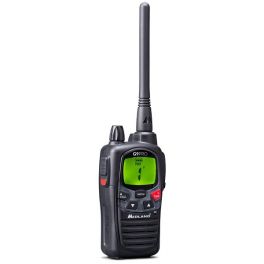
Midland G9 Pro
Robust license-free radio with emergency function, double PTT and IPx5 rating- 101 channels: 32 PMR446 + 69 LPD
- PTT dual for high or low transmissions
- IPX4 rating: extremely weatherproof
- Emergency function
- Vox function with TalkBack
- 12cm antenna for greater transmission
- Out of range function
IN STOCK5 of 23 Reviews£67.99 £81.59 Incl. VATRef: MIG9PROCompare 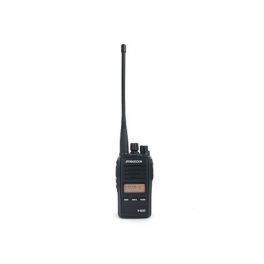
DYNASCAN V-600
IN STOCKProfessional VHF walkie-talkie with 128 channels, IP67 protection submersible and approved for hunting.- Professional walkie talkie compatible with VHF range devices such as Motorola GP340 VHF, DP14000, DP2400, CP040 etc.
- This model requires a license to use.
- Up to 128 channels
- High dust resistance and submersible in water: IP67
- Emergency call key (SOS)
- Anti-shock metallic structure
- Motorola 2-pin type headphone jack
£84.99 £101.99 Incl. VATRef: DYNV600Compare- Back to WorkPromotional price valid until 25/09/2026.
Extra discount: £25 off orders over £400 with BACK25
£50 off orders over £700 with BACK50
£80 off orders over £1,000 with BACK80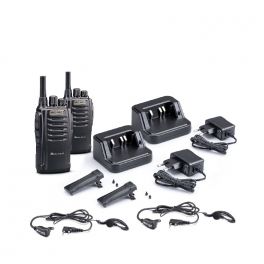
Midland BR02 PRO Z Twin Pack
IN STOCKRugged and robust PMR446 walkie talkie- ideal for businesses, shops and restaurants- Walkie talkie for free use (PMR446)
- 32 channels (16 + 16 pre-programmed)
- Battery life: up to 21 hours
- 2 pin Kenwood microphone/speaker connector
- Li-ion 1800 mAh/3.7V battery
- Automatic power saving function
- Compact with short antenna
£150.99 £181.19 Incl. VATRef: MIBR02PROZCompare 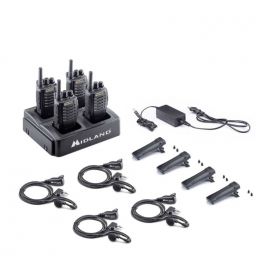
Pack of 4 Midland BR02 PRO Z
IN STOCKPack of 2 rugged PMR446 walkie-talkies ideal for businesses, shops and restaurants.- 4 walkie-talkies unlicensed (PMR446)
- 32 channels (16 + 16 pre-programmed)
- Autonomy: up to 21h
- Kenwood 2-pin microphone/speaker connector
- Automatic power saving function
- Manageable with a short antenna
- 4 MA-21LKi hands-free kits included
- Added EU to UK adaptor
£353.99 £424.79 Incl. VATRef: MIBR02PROZCHMCompare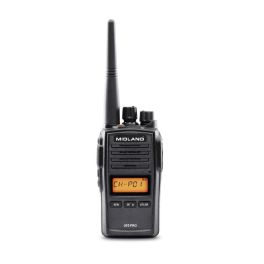
Midland G18 Pro NC
Robust licence-free PMR446 walkie-talkie with military-grade compliance and Noise Cancelling for clear communication in extreme environments- PMR446 walkie-talkie – licence-free and ready to use
- High-visibility backlit LCD screen
- 99 channels: 16 main + 83 pre-programmed
- IP67 protection: dust- and waterproof (1 m / 30 min) and MIL-STD 810G compliant
- Battery life of up to 22 hours
- Features: Dual Watch, Scrambler, RRM, VOX, and FM radio
- 2-pin Motorola-type headset connector
- Noise cancelling for clear communication
IN STOCK5 of 1 Reviews£144.99 £173.99 Incl. VATRef: MIG18PRONCCompare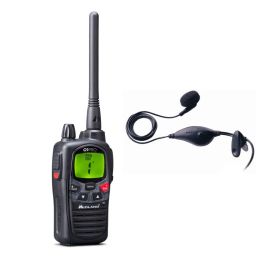
Midland G9 Pro + Headset Kit
Walkie-talkie with dual PTT buttons and headset for 100% free and unlimited communication!- 101 channels: 32 PMR446 + 69 LPD
- PTT dual for high or low transmissions
- IPX4 rating: extremely weatherproof
- In-ear headset with clothing clip
- Exclusive Onedirect accessory for Midland two way radios(G7/G8/G9/G12)
IN STOCK4.8 of 25 Reviews£73.98£68.85 £82.62 Incl. VATRef: MIG9PROPOCompare
Dynascan RL-300
IN STOCKUHF-licensed walkie-talkie for outdoor activities such as hunting or construction work- UHF licensed use for outdoor activities
- Ideal for construction sites or warehouses: secure communication
- VOX function (hands-free operation with a headset)
- 256 channels for your communications
- Robust and lightweight: 218 grams with hidden display
- Practical: with wrist strap or belt clip
- Headset connection port: Kenwood 2-pin type
- Requires a licence for use and programming
£69.99£66.99 £80.39 Incl. VATRef: DYNRL300Compare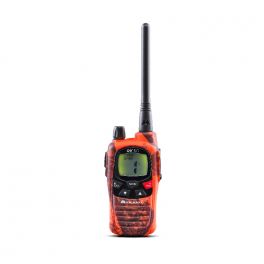
Midland G9 Pro Blaze
Call us for availabilityHigh-performance walkie designed for use in demanding mountain conditions- Rugged Walkie with large LCD display
- IPX4 waterproof and weatherproof
- Dual band PMR446/LPD
- 101 channels:32 PMR446 16 + 16 preprogrammed + 69 LPD
- Dual PTT button, low/high power
- Emergency call function
- VOX function
- Midland 2-pin connection
£78.99 £94.79 Incl. VATRef: MIG9BLAZECompare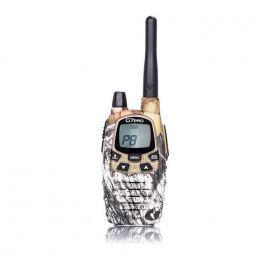
Midland G7 PRO Camo
Call us for availabilityTwo-way radio with screen, hands-free, double PTT- Standard PMR446, free use.
- Hands-free VOX function (without accessory).
- Double push-button PTT.
- High quality speaker
- Notice by vibration.
- Range of 10 km. * According to conditions
- 8 channels / 38 subchannels.
- Backlit LCD screen.
- Camouflage version to communicate during your activities
£79.99 £95.99 Incl. VATRef: MIG7PROMIMCompare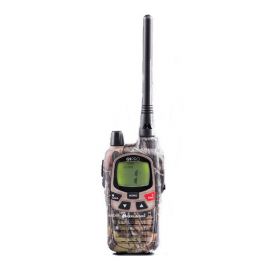
Midland G9 Pro Mimetic
Ideal for extreme conditions with emergency functions and double PTT- Emergency function: with a single button you will communicate with all G9 walkies in the area.
- Vox funtionality
- 12 cm antenna: more transmission powe
- Vibration warning
- Scanner function
- Fully waterproof
- Out of coverage function
- Reinforced chassis and larger screen
Call us for availability4 of 3 Reviews£68.99 £82.79 Incl. VATRef: MIG9PROMCompare
Key features and core functions
In woodland environments, communication must work even when conditions are against you. Moisture, dirt, gloves, machine noise, uneven terrain and long distances place far greater demands on the radio than normal indoor working conditions. That is why forestry and hunting radios are built around durability, range and safety. Reliable radio communication in the field not only improves coordination, but also significantly increases worker safety, especially in large, difficult-to-access or high-noise environments.
| High transmission power (licensed or Freenet 149 MHz) | An important factor for range and stable connections in open terrain. |
| Very rugged construction (shock-resistant, MIL-STD depending on model) | Designed for demanding use in timber harvesting, extraction work and hunting. |
| IP67/IP68 protection rating | Water- and dust-resistant for rain, mud and difficult outdoor conditions. |
| Headset connection for hearing protection systems | Essential for chainsaw work, harvesters or forestry helmet use. |
| Emergency button and man-down function | Supports safety procedures during lone working and hazardous tasks. |
| Long-range performance in open terrain (VHF preferred) | Beneficial across estates, woodland areas and longer distances. |
How to choose the right product?
- OK Assess the terrain realistically: topography, woodland density, elevation changes and machine locations determine how much range is actually needed.
- OK Define safety requirements first: emergency alert, man-down and lone worker protection are often not optional extras but part of the safety concept.
- OK Treat headset compatibility as essential: anyone working with hearing protection or a forestry helmet needs a device that integrates properly.
- OK Give high priority to weather and impact resistance: IP67/IP68 and rugged construction are not optional in woodland work.
- OK Plan battery and charging needs: spare batteries, vehicle chargers or charging points at base can make a real difference in daily operations.
- OK Choose the right standard: licensed solutions for planned networks, digital systems for more structure, or Freenet options for simpler scenarios.
- OK Large controls for easy use with gloves.
Use cases in professional environments
Forestry and hunting radios are used wherever teams are spread across the terrain and fast updates are relevant to safety. In timber harvesting and extraction work, radio communication helps coordinate forestry workers, machine operators and supervisors. During hunting and estate management, walkie-talkies and two-way radios for hunting make it easier to coordinate movements across larger areas. They are also valuable for maintenance and service work in woodland environments, where radio communication is often more dependable than mobile coverage.
Why choose Onedirect as your partner?
Onedirect supports forestry businesses, hunting teams and outdoor workforces with robust radio solutions matched to real operational requirements. This includes suitable devices, headset accessories for hearing protection, radio programming and fast delivery with continuous stock availability. This makes it easier to equip existing teams reliably and expand at short notice without compromising communication quality.
FAQ – Frequently asked questions
What are forestry radios?
Forestry radios are communication devices used specifically for forestry and woodland work. They help teams coordinate in areas that are often difficult to access.
Why are radios important in woodland areas?
Many woodland locations do not have reliable mobile coverage. Hunting radios and forestry radios still provide dependable communication between team members.
Which radios are suitable for forestry use?
Rugged VHF radios are often used in forestry because they can achieve better range in open outdoor environments.
Which features should forestry radios have?
They should be shock-resistant, weatherproof and easy to operate with gloves. Long battery life is also important for extended working days.
Related resources
Top 10 best hunting radios Icon Radios for every working environment Icon