
My Cart



Corded PBX Phones
Professional Corded PBX phone for your telephone system
Manage your business communications with an in-house PBX or IPBX systems. Enjoy free calls between extensions and essential features like music on hold, IVR, call transfer, and remote-access voicemail.
PBX connects via an analogue line, while IPBX uses IP telephony over the Internet. Choose based on your company's user needs.

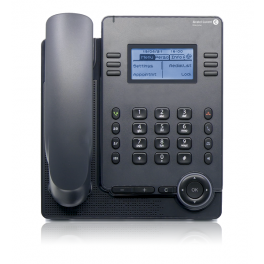
Alcatel-Lucent ALE-20H
The essential hybrid desk phone for excellent communications- 2.8" backlit black and white LCD display
- LED function keys
- Wideband audio technology
- 3 usage options: handset, handsfree or headset
- HD transmission: echo cancellation
- Headset compatible
- Connectivity: RJ45; USB-C; USB-A; RJ9
- Requires RJ45/RJ45 network cable not included
IN STOCK5 of 2 Reviews£150.99£127.99 £153.59 Incl. VATRef: ALALE20HCompare- IconBest Seller
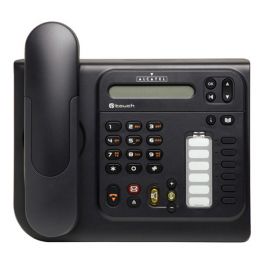
Alcatel 4018- Refurb
Refurbished IP phone for your everyday use- PoE (Power over Ethernet)
- LAN Port (10/100 Ethernet)
- Single Line LCD Screen
- Programmable function keys
- Hands-free option
- Multi-line availability
IN STOCK4.9 of 6 Reviews£47.99 £57.59 Incl. VATRef: AL4018ERCompare 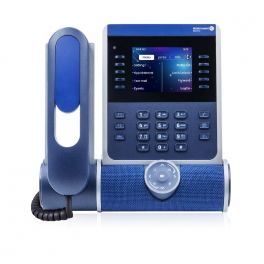
Alcatel-Lucent ALE-300
IN STOCKWired IP desk phone with touchscreen- for home or office use- 3.5" colour display with automatic brightness adjustment
- Intelligent touch keypad
- 3D audio transmission
- 25° to 60° adjustable base
- Illuminated busy light
- 2 USB-C 2.0 sockets (for keyboard, headset or dongle)
- PoE: Power over Ethernet cable
- RJ45 network cable not included
£208.99£189.99 £227.99 Incl. VATRef: ALALE300Compare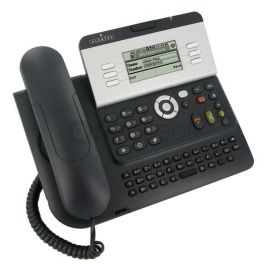
Alcatel 4028 EE IP Touch Desktop Phone Refurb
Refurbished Alcatel 4028 EE Touch Desktop phone, perfect for any office environment- Factory Refurbished Product
- IP connection
- Hands free
- 6 function keys
- 10 programmable keys
- Alphanumeric keyboard
- EE Version (Extended)
IN STOCK5 of 7 Reviews£84.99 £101.99 Incl. VATRef: AL4028ERCompare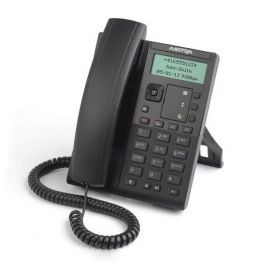
Aastra 6863i VoIP Desktop Phone
Great value 2-line VoIP desktop phone with styish design and HD sound- 2-line SIP phone 2.75" 128 x 48px LCD display
- 3 programmable soft keys
- 4-way navigation key
- Built-in PoE (Power over Ethernet)
- Sleek modern design
IN STOCK3.8 of 6 Reviews£79.99£64.99 £77.99 Incl. VATRef: AA6863ICompare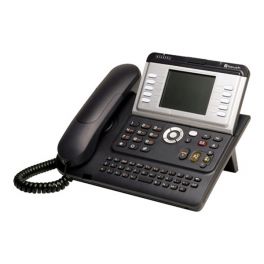
Alcatel 4039 Digital Desktop Phone- Refurbished
Function-rich desk phone designed for intensive business use- Ergonomic design
- Hands-free option
- Simple navigation and shortcut keys
- Outstanding audio quality in all modes
- Easy to install, use and manage
IN STOCK4.3 of 21 Reviews£100.99 £121.19 Incl. VATRef: AL4039RCompare- Onedirect Recommends
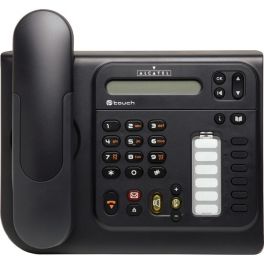
Alcatel 4019 Refurbished
Simple yet effective series 9 desktop phone- 6 programmable keys
- Direct access to calendar, voicemail
- 1 line screen (20 characters)
- Bidirectional navigation key
- Mute / Re-dial key
- Easy to operate
- Dimensions: 220x175x133 mm
- Weight: 600 g
IN STOCK5 of 10 Reviews£55.99 £67.19 Incl. VATRef: AL4019RCompare 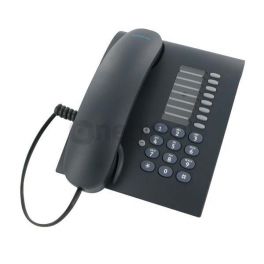
Siemens Optipoint 500 Economy Refurbished (Black)
Deskphone with 12 function keys and LED display- Listen via loudspeaker
- 2-line alphanumeric screen
- 3 dialogue keys for an interactive user guide
- 2 adjustment keys
- Volume control
- Factory refurbished product
IN STOCK4.7 of 5 Reviews£37.99£33.99 £40.79 Incl. VATRef: SIOP5ENRCompare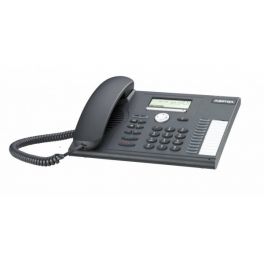
Aastra 5361 Digital Desktop Phone
Digital phone with 10 LED programmable keys and intuitive interface- 10 programmable keys with LED
- Very visible graphic display
- Navigation key
- Intuitive interface and convenient use
- Possibility of wall mounting
- Ideal for maintenance and after-sales
- Delivered without external power supply
IN STOCK5 of 2 Reviews£249.99£166.99 £200.39 Incl. VATRef: AA5361Compare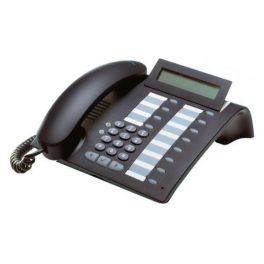
Siemens Optipoint 500 Standard Refurbished
Deskphone with full-duplex speaker and 12 function keys- Full-Duplex handsfree speaker
- 12 function keys
- USB 1.1 interface
- Screen: 2 tilt lines
- 3 dialogue keys for interactive guidance: Yes, Back, Continue
- Colour: black
- Factory reconditioned product
IN STOCK4.2 of 13 Reviews£74.99£69.99 £83.99 Incl. VATRef: SIOP5SRCompare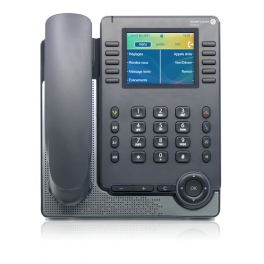
Alcatel-Lucent ALE-30H
IN STOCKHybrid desktop phone with high quality and simple operation- 3.5" LCD colour display
- LED function keys
- Wideband audio technology
- 3 usage options: handset, handsfree or headset
- HD transmission: echo cancellation
- Hearing aid compatible
- Connectivity: RJ45; USB-C; USB-A; RJ9
- Requires RJ45/RJ45 network cable not included
£210.99£184.99 £221.99 Incl. VATRef: ALALE30HCompare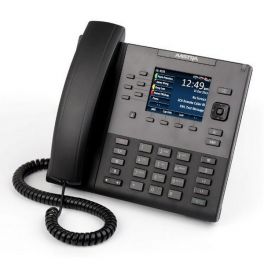
Aastra 6867i VoIP Desktop Phone
Aastra 6867i expandable 9-line VoIP desktop phone with a large colour display, HD audio and enhanced speakerphone with dual microphones- Aastra 6867i SIP Telephone with up to 9 lines
- 3.5" colour backlit display backlit colour LCD screen
- 6 programmable soft keys
- Dedicated function keys including conference, transfer, directory Caller List, Hold, Redial, Goodbye, Info, volume control and mute
- 4-way navigation key
- Built-in USB port
IN STOCK3.5 of 4 Reviews£199.99£149.99 £179.99 Incl. VATRef: AA6867ICompare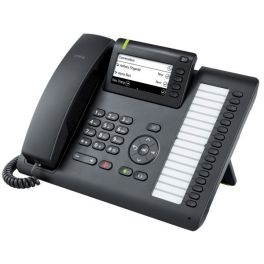
OpenScape Desk Phone CP400
IN STOCKSIP desktop phone with 3.7" screen and 16 programmable LED function keys- Tiltable 3.7" monochrome graphic display
- 4 programmable keys with LED
- 2 fixed function keys
- 16 programmable function keys
- Full duplex hands-free
- Headset port: DHSG / EHS
£214.99£191.99 £230.39 Incl. VATRef: SIOPENCP400Compare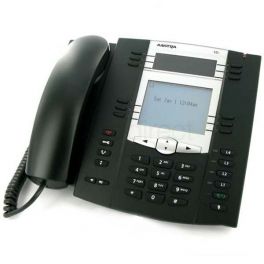
Mitel-Aastra 6755- Refurbished
Hands-free phone with headphone jack and12 programmable keys- Hands-free phone with headphone jack
- 12 programmable keys
- Store up to 20 contacts
- 8-line LCD screen
- Name and number
- Amplified listening and mute key
- Records of the last 50 calls
- Refurbished product
IN STOCK5 of 1 Reviews£39.99 £47.99 Incl. VATRef: AA6755RCompare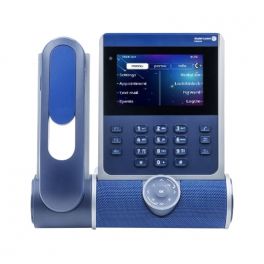
Alcatel-Lucent ALE-400BT
IN STOCKA new generation corded IP desk phone with touchscreen and Bluetooth connection- 4.3" colour touchscreen display
- 3D audio via handset, handsfree and headset
- 3 microphones with acoustic echo cancellation
- Adjustable base from 25° to 60
- Connectivity: Dual RJ45, RJ9, USB-C, NFC, Bluetooth
- PoE: Power over Ethernet cable
- RJ45 network cable not included
- Easy Bluetooth pairing with ALE-108
£412.00£328.99 £394.79 Incl. VATRef: ALALE400BTCompare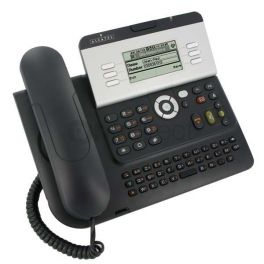
Alcatel 4028 IP Touch Desktop Phone- Refurb
IP telephone with hands-free function and headphone jack- IP connection
- Hands-free function
- 3-line screen
- 6 function keys
- 10 programmable keys
- Alphabetical keyboards
- Refurbished product
IN STOCK4.9 of 7 Reviews£173.99£72.99 £87.59 Incl. VATRef: AL4028RCompare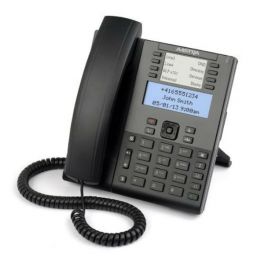
Aastra 6865i IP Desktop Phone
Expandable 9-line SIP telephone with a large LCD colour display- Up to 9 lines
- 3.4" colour backlit display backlit colour LCD screen
- 8 programmable soft keys
- Power over Ethernet (PoE)
- HD audio and enhanced speakerphone with dual mics
- Dedicated function keys
- 4-way navigation key
- Built-in USB port
IN STOCK4.8 of 9 Reviews£129.99£103.99 £124.79 Incl. VATRef: AA6865ICompare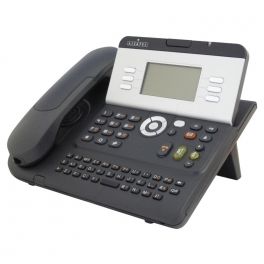
Alcatel 4029 Digital Desktop Phone Refurb
Refurbished desk phone with easy-use features- 6 multi-function display keys
- Ergonomic design
- Hands-free feature
- Outstanding audio quality in all modes
- Easy to install and use
IN STOCK4.8 of 34 Reviews£74.99 £89.99 Incl. VATRef: AL4029RCompare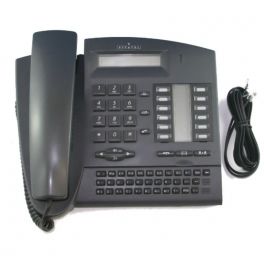
Alcatel 4020 Premium Reflex (QWERTY) Refurb
Desktop phone with QWERTY keyboard and hands-free function- Multiple lines
- Hands-free option
- Call by name function
- Integrated alphanumeric QWERTY keyboard
- Refurbished Product
Call us for availability4.5 of 2 Reviews£43.99£39.99 £47.99 Incl. VATRef: ALRPRRQCompare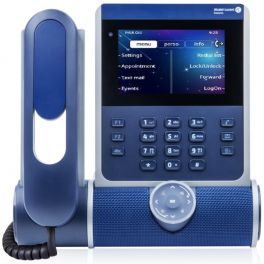
Alcatel-Lucent ALE-400
Call us for availabilityNew generation wired IP desk phone with a colour touch screen- 4.3" colour touchscreen display
- 3D audio through the handset, handsfree and headset
- 3 microphones with acoustic echo cancellation
- Adjustable base from 25° to 60
- Connectivity: dual RJ45, RJ9, USB-C, NFC
- PoE: Power over Ethernet cable
- RJ45 network cable not included
£306.00£243.99 £292.79 Incl. VATRef: ALALE400Compare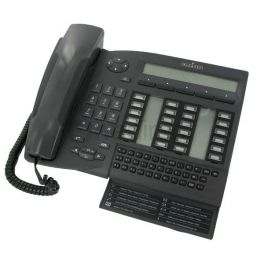
ALCATEL Advanced Reflexes 4035
The professional: refurbished phone with 2 line screen and navigator- Simultaneous line management
- Hands-free function
- Integrated alphanumeric keyboard
- Agenda: 30 to 45 contacts
- Refurbished product
Call us for availability4.4 of 46 Reviews£46.99 £56.39 Incl. VATRef: ALRADRCompare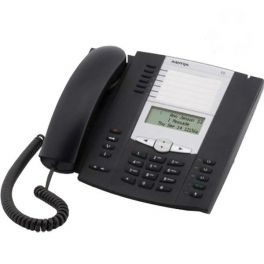
Mitel-Aastra 6753- Refurbished
Desktop phone with 6 programmable keys- 6 programmable keys
- 3-line LCD screen
- Take line without picking up
- Name and number identification
- Amplified listening, mute key
- Record of the last 5 calls issued
- 8 ringtones to choose from
- Refurbished product
Call us for availability5 of 2 Reviews£50.99 £61.19 Incl. VATRef: AA6753RCompare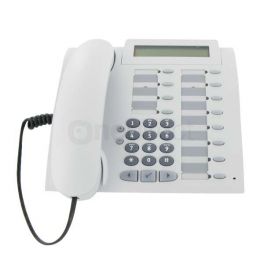
Siemens Optipoint 500 Economy- Refurbished (White)
Desktop phone with 12 function keys and LED display- Listen via loudspeaker
- 2-line alphanumeric screen
- 3 dialogue keys for an interactive user guide
- 2 adjustment keys
- Volume control
- Factory refurbished product
Call us for availability4.5 of 4 Reviews£53.99 £64.79 Incl. VATRef: SIOP5ECBRCompare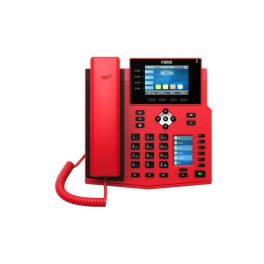
Fanvil X5U-R Gigabit IP Phone with Colour Display
Call us for availabilityA professional SIP IP phone with 16 SIP accounts, a dual colour display, Gigabit ports, PoE and HD audio, ideal for advanced users, reception areas and offices with high call volumes.- 16 SIP accounts for managing multiple telephone lines.
- Dual colour display with a 3.5" main screen and a 2.4" DSS display.
- 30 programmable DSS keys with up to 90 functions via virtual pages.
- HD audio with Opus codec and full-duplex hands-free for crystal-clear conversations.
- 2 Gigabit Ethernet ports with PoE for a fast connection and simplified installation.
- Compatible with EHS headsets and Bluetooth via a USB dongle for greater operational flexibility.
£141.99£120.99 £145.19 Incl. VATRef: FANX5UREDCompare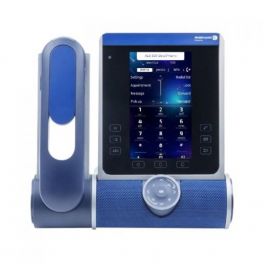
Alcatel-Lucent ALE-500BT
Call us for availabilityNext-generation Bluetooth IP phone with touch screen and virtual keypad- 5.5" colour touch screen display
- 3D audio through the handset, handsfree and headset
- 3 microphones with acoustic echo cancellation
- 10 context-sensitive keys + 5 programmable keys
- Adjustable base from 25° to 60º
- PoE: Power over Ethernet cable
- Connectivity: dual RJ45, RJ9, USB-C, NFC
- RJ45 network cable not included
- Easy Bluetooth pairing with ALE-108
£469.00£374.99 £449.99 Incl. VATRef: ALALE500BTCompare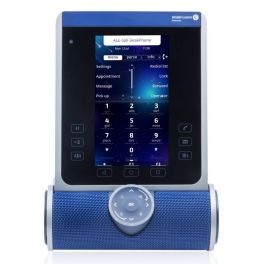
Alcatel-Lucent ALE-500 (without handset)
Call us for availabilityNext-generation IP phone with touch screen and virtual keypad- 5.5" colour touch screen display
- 3D audio through the handset, handsfree and headset
- 3 microphones with acoustic echo cancellation
- 10 context-sensitive keys + 5 programmable keys
- Adjustable base from 25° to 60
- PoE: Power over Ethernet cable
- Connectivity: dual RJ45, RJ9, USB-C, NFC
- RJ45 network cable not included
£310.99 £373.19 Incl. VATRef: ALALE500ONLYCompare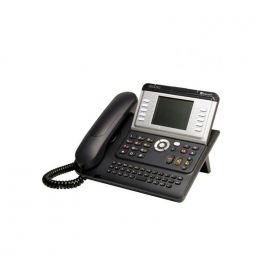
Alcatel 4038 IP Touch Refurbished
Call us for availabilityALCATEL digital terminals special IP: new range 8 series.
- Refurbished, eco-recycled: product refurbished and reconditioned in the factory.
- IP connection
- 10 function keys
- 40 programmable function keys
- Headphone jack
- Hands-free
£120.99 £145.19 Incl. VATRef: AL4038RCompare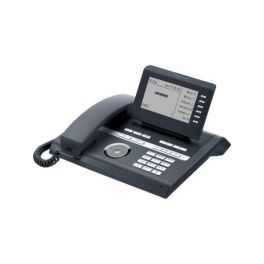
Siemens Openstage 40 T
Call us for availabilityHiPath Phone with a large tilting screen- 8 fixed function keys
- 6 programmable keys with LEDs
- Tilting graphic display, two lines monochrome,
- Hands Free Full Duplex
- Numeric keypad
- 2 Year Warranty
£181.99 £218.39 Incl. VATRef: SIOP40TUKCompare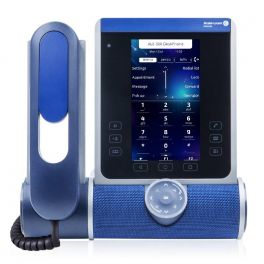
Alcatel-Lucent ALE-500
Call us for availabilityNext-generation IP phone with touch screen and virtual keypad- 5.5" colour touch screen display
- 3D audio through the handset, handsfree and headset
- 3 microphones with acoustic echo cancellation
- 10 context-sensitive keys + 5 programmable keys
- Adjustable base from 25° to 60
- PoE: Power over Ethernet cable
- Connectivity: dual RJ45, RJ9, USB-C, NFC
- RJ45 network cable not included
£375.00£299.99 £359.99 Incl. VATRef: ALALE500Compare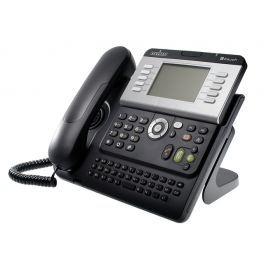
Alcatel 4038 EE IP Touch Desktop Phone Refurb
User-friendly VoIP desktop phone- IP connection
- Handsfree and headset
- 10 function keys
- 40 programmable keys
- Alphanumeric keyboard
- Refurbished product
Call us for availability4.7 of 6 Reviews£99.99 £119.99 Incl. VATRef: AL4038ERCompare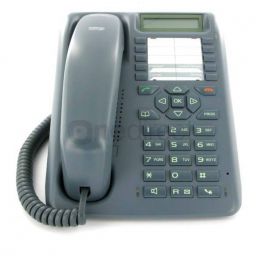
MATRA M740 Refurbished
Digital MATRA phone, ideal for call centres.- Full Duplex hands-free
- Screen of 1 lines and 16 characters
- 10 programmable keys
- Headphone jack (automatic detection
- Ergonomic browser
- Call register (10 output, 50 input)
- Personal agenda: 20 numbers
Discontinued4.5 of 16 ReviewsCheck similar productsRef: M740RCompare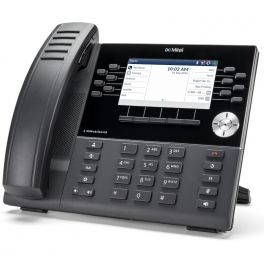
Mitel 6930 IP Phone
DiscontinuedProfessional IP terminal for PABX and for experienced users- Desktop IP phone and professional for PABX
- With programmable keys
- 4.3 "colour LCD screen: high readability
- Built-in USB port: allows you to charge your smartphone by connecting it to your desk phone
- Integrated technology Bluetooth 4.1
- Gigabit Ethernet ports: speed and reliability
- Compatible with MV5000 (version 6.4 or higher) / Business Phone (all versions) / Mivoice 400 (version 5.0 HF1) / MXONE - SIP
Check similar productsRef: AA6930IPCompare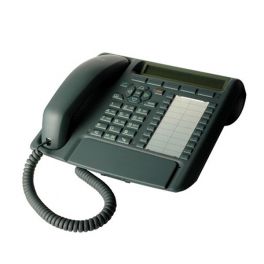
Aastra Matra M760- Refurb
The ideal terminal for call centers- Screen: 2 lines of 40 characters
- Hands-free full-duplex
- 20 programmable keys
- Alphabetic keyboard for direct search by name
- Compatible with headphones
- Directory: 100 numbers
- Can be used as an operator station
- Refurbished product
Discontinued4.3 of 18 ReviewsCheck similar productsRef: MA760RCompare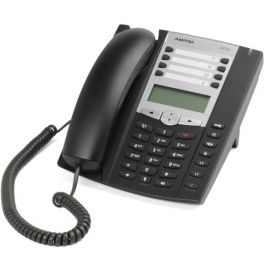
Aastra 6730a Analogue Desktop Phone
Professional analogue telephone- Professional analogue telephone
- 3-line LCD screen display
- Hands-free full duplex
- 8 programmable keys
- Calendar of up to 200 contacts
- Headphone Jack
Discontinued4 of 11 ReviewsCheck the alternative productRef: AA6730ACompare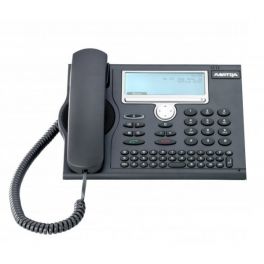
Mitel 5380 (Aastra) - QWERTY keyboard
DiscontinuedDigital telephone with QWERTY keyboard and advanced functions- Digital telephone for Aastra 400, 5000 or Aastra IntelliGate systems
- Hands-free
- Agenda 350 records with access to the general directory
- Mute button
- 7-line display with 34 characters
- Supports up to 3 keyboard extension modules
- Qwerty keyboard
Check similar productsRef: AA5380ECompare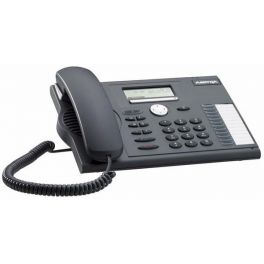
Aastra 5370
Advanced digital telephone with 12 programmable keys- Digital phone for Aastra 400, 5000 or Aastra IntelliGate systems
- Hands-free
- Agenda 350 records with access to the general directory
- Mute
- 12 programmable keys with LED
- Supports keyboard extension module
Discontinued4.8 of 11 ReviewsCheck the alternative productRef: AA5370Compare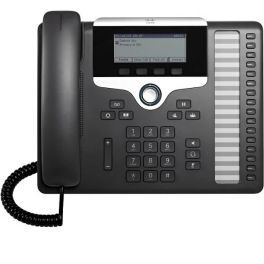
Cisco CP-7861 IP
DiscontinuedImplement reliable, high-security voice communications - easy to use and cost-effective- Proprietary SIP Phone compatible with Unified Communications Manager
- Full-duplex speaker
- Dedicated earphone jack
- 4 programmable shortcut keys
- Built-in 10/100 Ethernet port
- 16 SIP lines
- Easy to read display
Check similar productsRef: CI7861Compare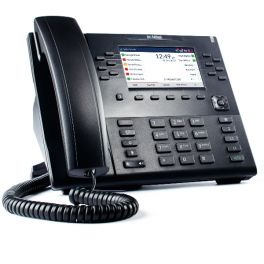
Aastra 6869i VoIP Desktop Phone
DiscontinuedAastra 6869i VoIP desktop phone with 4.3" colour screen and up to 12 lines- Aastra 6869i VoIP Telephone with up to 12 lines
- 480 x 270 pixel backlit colour LCD screen 4.3"
- 12 programmable soft keys
- Dedicated function keys including Caller List, Hold, Redial, Goodbye, Info, Volume control and Mute
- ICON navigation menus
Check the alternative productRef: AA6869ICompare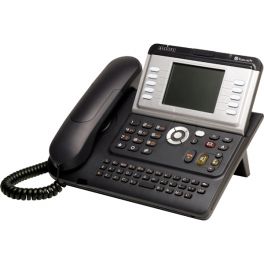
Alcatel 4068 IP Touch Refurb
Desktop phone with IP and Bluetooth connection- SIP protocol
- Bluetooth 1.1
- Hands-free and headphone jack
- 40 programmable keys
Discontinued4.5 of 2 ReviewsCheck similar productsRef: AL4068ERCompare
Corded PBX Phones: The Ultimate Communication Tool for Your Business
Today’s business world demands intelligent communication solutions that go far beyond simple phone calls. PBX phones, also known as PABX phones, form the heart of any high-performance telephone system and enable organisations to get the most from their communications infrastructure. At Onedirect you’ll find a comprehensive selection of professional private branch exchange phones (PBX), perfectly tailored to the needs of modern office environments.
The difference between a corded PBX phone VS. a standard phone
A differs fundamentally from a standard telephone thanks to its seamless integration with PABX phone systems or modern IP-PBX platforms. These specialised endpoints communicate directly with the central switchboard, giving access to advanced features essential in professional communications.
A hallmark of PBX phones is their display, which shows not only caller information but also system status, menu options and key assignments. Programmable function keys provide direct access to frequently used features such as speed dial, call forwarding and conferencing.
Benefits of Using corded PABX Phones
- Cost Efficiency: Corded PBX phone significantly reduce call costs, especially for businesses that make frequent long-distance calls.
- Scalability: Easily expand your phone system as your business grows, adding new Corded PBX extension phones without the need for extensive rewiring.
- Advanced Features: Enjoy features like call forwarding, voicemail, and conferencing capabilities that enhance communication.
- Improved Customer Service: Ensure that every call is answered and routed correctly, boosting customer satisfaction.
- Remote Work Compatibility: Many PABX phones support remote extensions, allowing employees to connect from anywhere.
- User-Friendly Interfaces: Modern private branch exchange phones often come with intuitive interfaces, making them easy to use for all staff members.
- Increased Productivity: Streamlined communication helps employees focus on their tasks, leading to better overall performance.
- Integration with Other Systems: Many PABX phone systems can integrate with CRM and other business tools, enhancing workflow efficiency.
- Reliable Support: Choosing a reputable PBX provider means you'll have access to reliable technical support when needed.
SIP - the protocol of modern telephony
Session Initiation Protocol (SIP) has become the standard signalling protocol for modern VoIP communication. SIP handles the setup, management and teardown of communication sessions between participants. For corded PBX phones, this means the ability to communicate over IP networks while using all familiar PBX functions.
Technical basics of SIP:
SIP follows a client–server model and uses text-based messages. It is stateless, meaning each request is processed independently. User Agents (UAs) on IPBX phones communicate with SIP servers to initiate, route or end calls. Registration servers manage user location information, while proxy servers handle call routing. This architecture enables flexible, scalable communications for organisations of any size.
Open SIP protocol:
Open SIP implementations follow standardised RFC specifications and ensure interoperability between different manufacturers. IPBX phones with open SIP can work with virtually any compatible PBX, regardless of vendor. This flexibility lets businesses combine best-of-breed solutions and avoid vendor lock-in. Benefits include lower costs through competition, a wider choice of compatible devices and easier migration between systems. Updates and extensions can often be implemented across vendors.
Closed/proprietary SIP protocol:
Proprietary SIP implementations use vendor-specific extensions that enable advanced features but limit compatibility. These IP-PBX phones work best with components from the same manufacturer, often delivering tighter integration and richer functions. Advantages can include deeper system integration, specialised features and optimised performance. However, they may lead to vendor lock-in and higher costs, as expansions must come from the original supplier.
Frequently asked questions (FAQ) about corded PBX phones
1. What is a PABX phone system?
A PABX (Private Automatic Branch Exchange) is a private telephone network used within an organisation, enabling internal communication as well as external calls.
2. How does a Corded PBX phone work?
A Corded PBX phone connects to the PABX system so users can make and receive internal and external calls while accessing features such as call forwarding and voicemail.
3. Is remote work possible with a PABX phone?
Absolutely. Many PABX phones support remote extensions, so employees can stay connected from any location.
4. How many corded PBX phones can I add to my system?
This depends on the specific PABX you choose. Most systems are designed to be scalable and to accommodate your company’s growth.
5. What’s the difference between a PBX phone and a standard IP phone?
A corded PBX phone is designed specifically for integration with PBX/PABX platforms and offers advanced functions such as programmable keys, line status display and access to PBX features. Standard IP phones are generic SIP devices without special system integration.
6. Can I mix corded PABX phones from different manufacturers on one PBX system?
It depends on the protocol. With open SIP standards, mixing is possible, but advanced, system-specific features work only with matching vendors. Closed protocols usually require devices from the same manufacturer for full functionality. Basic calling generally works across brands.
7. What network capacity do I need for IPBX phones?
Plan around 100 kbps per active call. For 20 simultaneous calls you’ll need at least 2 Mbps, plus headroom for other traffic. Quality of Service (QoS) is more important than raw bandwidth—prioritise VoIP traffic for optimal call quality.
8. How do I secure IPBX phones against cyber-attacks?
Use VPNs for remote phones, strong SIP authentication, enable encryption (SRTP/TLS), segment the VoIP network and keep firmware up to date. Configure firewalls to allow only required ports. Regular security audits and monitoring help detect threats early.