
My Cart



Cordless VoIP Phone
Cordless VoIP phone - where flexibility meets modern voice over IP technology
At Onedirect, you’ll find the cordless VoIP phone that gives you maximum freedom and professional voice connectivity over the internet:
- DECT IP phones for cordless freedom and easy network integration
- SIP-compatible phones for seamless integration with modern IP phone systems or cloud solutions
- Models from leading brands such as Gigaset, Yealink and Snom for maximum reliability

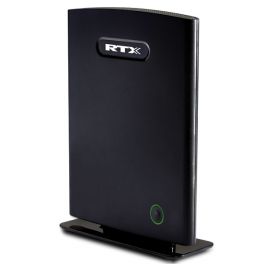
RTX8660 DECT Base Unit
IN STOCKBase unit for the RTX8630 DECT IP system- Base unit for RTX8630 system
- Combine with either RTX8830, RTX630 or RTX430 handsets
- DECT IP technology
- Powered through Ethernet cable
- Handsets not included
£159.99£134.99 £161.99 Incl. VATRef: RTX8660BASEEUCompare- IconBest Seller
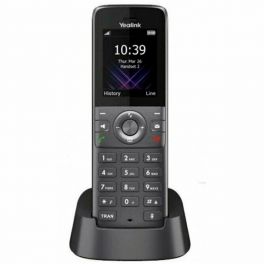
Yealink W73H
Professional wireless SIP terminal compatible with for the Yealink W73P system and DECT W70B base- Compact and modern design, easy to carry
- Hands-free
- 3.5mm jack connection
- 1.8'' 128x160 TFT colour screen with intuitive user interface
- Up to 35 hours talk time (in ideal conditions)
- Up to 400 hours standby (in ideal conditions)
- 3-way conferencing
- Up to 2 simultaneous calls per handset
- Yealink W73P compatible - Up to 10 W73H terminals can be synchronised with the W73P terminal
IN STOCK5 of 4 Reviews£65.44£47.99 £57.59 Incl. VATRef: YEALINKW73HUKCompare - IconBest Seller
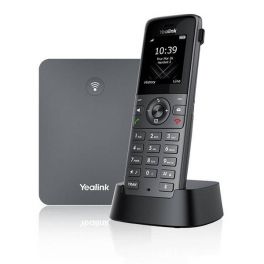
Yealink W73P
IN STOCKDECT IP phone package- includes base and phone terminal- Up to 20 Simultaneous calls
- Up to 10 DECT cordless handsets
- Up to 10 SIP accounts
- Noise Reduction System
- Up to 35-hour talk time
- Up to 400-hour standby time
- Quick Charging: 10-min charge time for 2-hour talk time
- Headset Connection via 3.5 mm jack
- Wall Mountable charger
£94.85£89.99 £107.99 Incl. VATRef: YEALINKW73PUKCompare 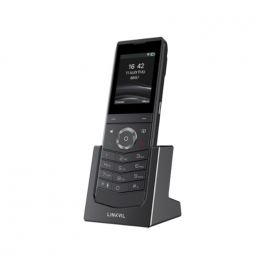
Fanvil W611W Phone
IN STOCKWi-Fi wireless IP phone with robust design for professionals.- Dual band Wi-Fi and roaming support
- 4 SIP accounts
- 2.4" LCD colour display with high definition
- IP67 water and dust resistant and withstands a 1.8 m drop
- Bluetooth 5.0 and 3.5 mm headphone jack
- Configurable push-to-talk button
- Rechargeable 1900 mAh battery, 9 hours talk time / 200 hours standby time
£172.69£110.99 £133.19 Incl. VATRef: FANW611WUKCompare- IconBest Seller
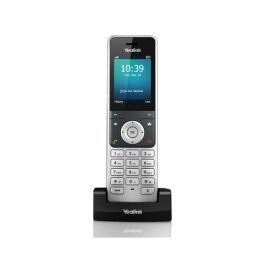
Yealink W56H Additional Handset
IN STOCKAdditional Handset for Yealink W60B and W80B DECT bases- Additional handset compatible with the W60B and W80B DECT bases
- HD Voice wideband audio
- Full Duplex Speakerphone
- 30 hours talk time / 400 hours standby time
- 2.4” colour screen with intuitive interface
- 3.5mm headset jack
£83.59£59.99 £71.99 Incl. VATRef: YEALINKW56HUKCompare - IconBest Seller
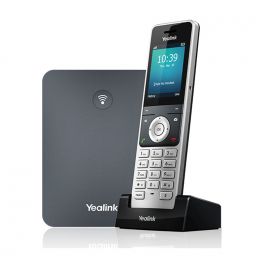
Yealink W76P
DECT Phone System- Scalable solution with superior performance
- Optimized wireless communication experience for mobile working
- Easy deployment and efficient management
- Seamlessly compatible with Yealink full-range DECT endpoints
- Ideal for small and medium-sized business
IN STOCK5 of 1 Reviews£109.56£92.99 £111.59 Incl. VATRef: YEALINKW76PUKCompare 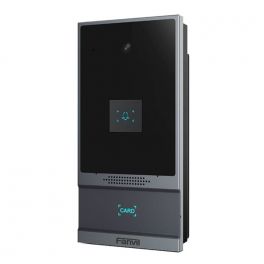
Fanvil i62
IN STOCKRobust, practical video intercom to keep control of movements on your premises.- Professional video intercom
- Allows you to control access to your premises
- Audio/video calls via a short-dial button
- Infringement switch: detection of unauthorised openings
- 2-megapixel camera with 1080px resolution
- Integrated infrared night vision
- Speakerphone Full-Duplex with AEC
- Compatible with SIP and ONVIF standards
- Ultra robust: IP66 and IK07 certified
£200.19£122.99 £147.59 Incl. VATRef: FANI62Compare- IconBest Seller
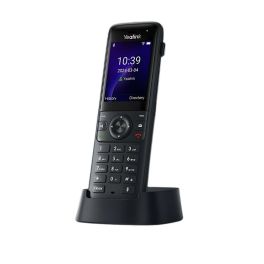
Yealink AX83H Wi-Fi telephone
Compact telephone with 4 SIP accounts, Wi-Fi 6, HD audio and Bluetooth 5.0, ideal for mobile business communication.- Dual-band Wi-Fi 6: higher speeds and reduced interference
- 4 SIP accounts
- 2.4" colour TFT display
- HD audio with intelligent noise cancellation
- Bluetooth 5.0 connectivity for wireless headsets
- 5-party local conferencing
- Battery life: up to 9 hours talk time (200 hours standby)
IN STOCK4 of 1 Reviews£98.99£95.99 £115.19 Incl. VATRef: YEAAX83HCompare 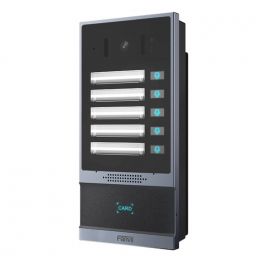
Fanvil i63
Robust, practical video intercom to keep control of movements on your premises.- Professional video intercom
- Allows controlled access to premises
- Audio/video calls via a short-dial button
- Infringement switch: detection of unauthorised openings
- 2MP camera with 1080px resolution
- Integrated infrared night vision
- Speakerphone Full-Duplex with AEC
- Compatible with SIP and ONVIF standards
- Ultra robust: IP66 and IK07 certified
IN STOCK5 of 1 Reviews£223.29£150.99 £181.19 Incl. VATRef: FANI63Compare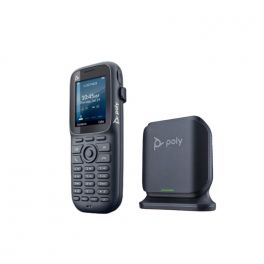
Poly Rove 20 DECT handset with Base Station
IN STOCKPoly Wireless DECT IP phone solution with Base Station- Scalable and secure workplace wireless communication solution
- Full-duplex conversations
- Up to 35 hours talk time
- 4 dedicated programable line keys
- Acoustic Echo Cancellation and Background Noise Suppression
- Multiple Lines Support for Handsets
- Up to 10 Concurrent Calls
£232.95£156.99 £188.39 Incl. VATRef: POROVE20B1UKCompare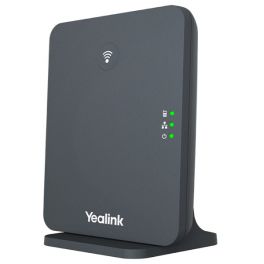
Yealink W70B DECT Base
IN STOCKA powerful DECT telephone base station supporting up to 10 handsets.- IP DECT phone Base
- Up to 10 handsets can be added
- Allows you to make 20 calls simultaneously
- Integrates up to 10 SIP accounts.
- Local directory for up to 1000 entries
- 3 LED indicators
- Range: 50m indoors and 300m outdoors
£69.99£46.99 £56.39 Incl. VATRef: YEALINKW70BUKCompare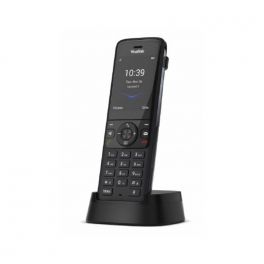
Yealink W78H
IN STOCKSupplementary cordless telephone for work on the move in SMEs, compatible with Yealink DECT bases.- Supplementary cordless telephone
- 2.4" TFT colour screen
- Bluetooth headset or 3.5 mm jack connection
- Vibrating alarm for noisy environments
- Noise cancellation
- Sturdy belt clip for secure mobility
- Quick charge: 10 min charge for 2 hours of use
- Compatible with DECT bases W70B, W80DM and W90DM
£120.00£70.99 £85.19 Incl. VATRef: YEALINKW78HUKCompare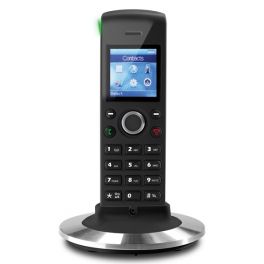
RTX8430 Entry Level IP Cordless Handset
IN STOCKCordless entry level handset for use with the RTX8630 IP handset- HD audio
- TFT colour display
- Headset compatible
- Wideband speakerphone
- Phonebook with 50 entries
£84.99 £101.99 Incl. VATRef: RTX8430Compare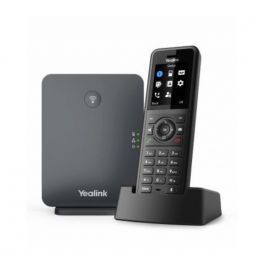
Yealink W77P Rugged DECT IP Phone System
IN STOCKProfessional rugged DECT IP phone system with cordless handset and base station, designed for reliable voice communications in demanding business environments.- Rugged DECT design: Built to withstand dust, water splashes and drops in professional environments
- Reliable wireless coverage: Stable DECT connectivity for offices, warehouses and industrial sites
- High-quality audio: Clear voice transmission for efficient business communications
- IP telephony ready: Native SIP support for integration with IP PBX systems
- Long battery life: Designed for full work shifts without frequent recharging
- Secure communications: Encrypted DECT calls to protect business conversations
£138.59£111.99 £134.39 Incl. VATRef: YEALINKW77PCompare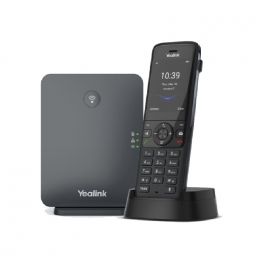
Yealink W78P DECT IP Phone
IN STOCKEasy-to-deploy, scalable, high-performance IP cordless phone ideal for mobile environments.- Professional IP Cordless Phone
- With IP DECT Base with 10 SIP accounts
- Allows up to 10 additional handsets and 20 simultaneous calls
- 2.4" TFT colour display
- Bluetooth headset or 3.5 mm jack connection
- Noise cancellation
- Vibration alarm for noisy environments
£170.00£106.99 £128.39 Incl. VATRef: YEALINKW78PUKCompare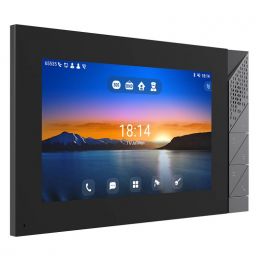
Fanvil i55A
IN STOCKIndoor station with large touch screen for managing movements on your premises.- Premises movement control
- 7-inch colour tactile display
- Real-time video monitoring
- Dual speakersof 1.5 W
- Acoustic echo cancellation
- Bluetooth 5.0 and WiFi 2.4GHz/5G built-in
- Aluminium panel+ 5 physical buttons
- Operating system Android 9.0
- PoE support, wall mount
£163.89£122.99 £147.59 Incl. VATRef: FANI55ACompare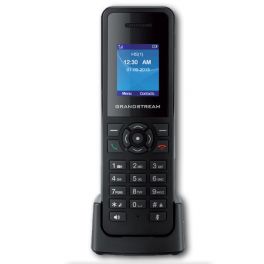
Grandstream DP720 DECT Wireless Handset
IN STOCKAllows users to mobilise their network throughout any business, warehouse, retail store and residential environment- Supported by Grandstream's DP750 DECT Base Station
- 5 DP720 handsets are supported by each DP750
- Full HD audio
- 3.5mm headset jack,
- 3-way voice conferencing
- Automated provisioning options include TR-069 and XML config files
- DECT authentication & encryption technology to protect calls and account
£49.99 £59.99 Incl. VATRef: GRADP720UKCompare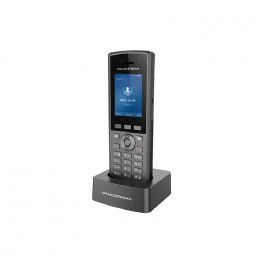
Grandstream WP825
IN STOCKThe WP825 is a ruggedized portable Wi-Fi IP phone designed to suit a variety of enterprises and vertical market applications, including retail, logistics, medical and security.- Dual-band Wi-Fi with efficient antenna design and advanced roaming support
- 2 SIP accounts, 2 lines
- HD voice & dual MIC design with AEC and Noise Shield Technology
- Rechargeable 2000mAh battery, 8-hour talk time, 200-hour standby
- Integrated Bluetooth to connect headsets
- Configurable button for push-to-talk
- Micro USB port and 3.5mm headset jack
- Ruggedized design. Waterproof, dustproof, and drop safe from 2.5m
£168.99 £202.79 Incl. VATRef: GRAWP825UKCompare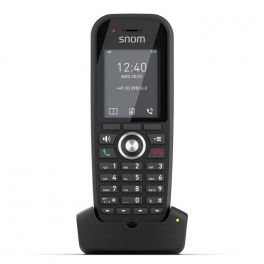
Snom M30 DECT Handset
IN STOCKEmbrace the flexibility, excellent audio, and smooth integration of this Snom DECT handset.- Multicell Compatible
- Backlit Keypad
- Up to 22 hours of talk time
- 4 programmable function keys
- Up to 350 hours of standby time
£111.18£80.99 £97.19 Incl. VATRef: SMM30UKCompare- Onedirect Recommends
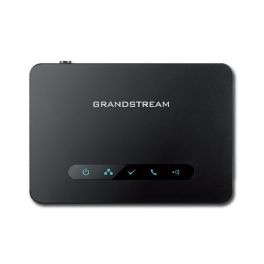
Grandstream DP750 DECT Base Station
The Grandstream DP750 DECT Base Station supports up to 10 SIP accounts and 4 concurrent calls- DECT VoIP base station that allows any user to create a cordless VoIP
- Up to 10 SIP accounts per system
- Up to 10 lines per handset
- Up to five simulataneous calls
- 3-way voice conferencing
- Supports a range of up to 300 meters outdoors and 50 meters indoors
IN STOCK5 of 1 Reviews£47.99 £57.59 Incl. VATRef: GRADP750UKCompare 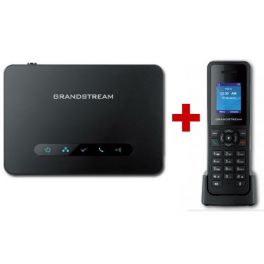
Grandstream DP750 DECT Base + 1 DP720 Handset
DP750 + 1 DP720 handset with coloured LED screen, HD sound and hands free- DECT handset and base station
- LCD colour display
- HD Sound and Full Duplex
- Mirco-USB port
- 3.5mm jack connection for headhones
- DECT base station that works as a repeater
- PoE
IN STOCK5.0 of 1 Reviews£97.98£95.04 £114.05 Incl. VATRef: GRADP750PUKCompare
Yealink W79P
IN STOCKYealink W79P Rugged DECT Phone System- Professional ruggedized SIP cordless phone system (IP67)
- Built-in Bluetooth and vibration alarm features
- Premium audio quality and voice communication experience
- Effortless provision and deployment
- Seamlessly compatible with Yealink full-range DECT endpoints
- Ideal for small- and medium-sized business
£175.74£139.99 £167.99 Incl. VATRef: YEALINKW79PUKCompare- Onedirect Recommends
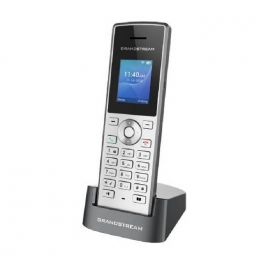
Grandstream WP810
Cordless IP WiFi phone with quality features - ideal for good communication.- Cordless IP phone with WiFi
- 2 SIP accounts, 2 lines
- HD voice with dual microphones
- Button: Push-to-Talk
- Battery life: 6 hours talk time/120 hours standby
- Micro USB port and 3.5mm headphone jack
IN STOCK5 of 1 Reviews£88.99 £106.79 Incl. VATRef: GRAWP810UKCompare 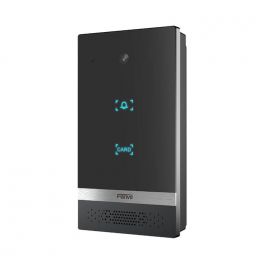
Fanvil i61
IN STOCKRobust and practical video intercom- Professional video intercom
- Audio/video calls via the speed dial button
- Violation switch: detection of unauthorized openings
- 2-megapixel camera with 1080px resolution
- Integrated infrared night vision
- Handsfree full duplex avec AEC
- Compatible with SIP and ONVIF standards
- Ultra rugged: IP66 and IK07 certified
£199.99£122.99 £147.59 Incl. VATRef: FANI61Compare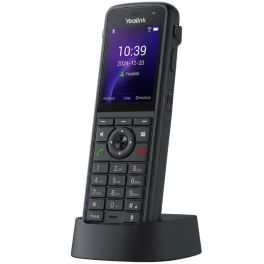
Yealink AX86R IP67 Wi-Fi IP Telephone
IN STOCKRobust IP67-certified WiFi 6 IP phone with Bluetooth 5.0, HD audio and long battery life for professional mobile environments.- Robust IP67: water/dust resistance for field use
- Dual-band Wi-Fi 6: stable connection on dense networks
- Seamless roaming: maintain communications on the move
- HD audio + noise cancellation: improved intelligibility in noisy areas
- Alarm functions: SOS button and lone worker safety feature depending on configuration
- 3100 mAh battery: up to 13 hours of talk time
- USB-C: simple, standardised charging
£152.89£138.99 £166.79 Incl. VATRef: YEAAX86RCompare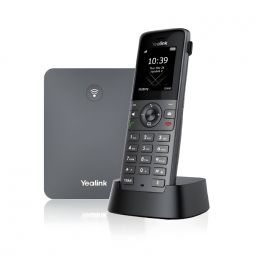
Yealink W74P
IN STOCKWireless IP telephone with HD audio, simple management, and high scalability, perfect for efficient mobile working.- DECT phone system with handset and base
- Connect up to 10 handsets and make 20 simultaneous calls
- 1.8" colour TFT display (4.5 cm)
- HD audio with noise cancellation
- Connections: Bluetooth 5.1 & 3.5 mm jack
- Long-lasting battery: up to 24 hours talk time
- IP DECT base with 10 VoIP accounts
£175.95£96.99 £116.39 Incl. VATRef: YEALINKW74PCompare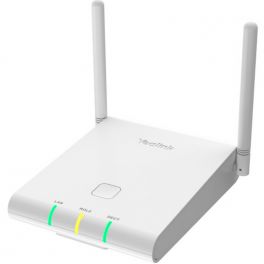
Yealink W90B
IN STOCKA scalable multi-cell DECT solution to cover all your installations.- Scalable multi-cell IP DECT base
- Delivers DECT signal and ensures optimal coverage
- Up to 60 embeddable base stations
- Add 250 handsets per system
- 250 calls can be made simultaneously (8 per base and 2 per handset)
- Built-in AES encryption
- Compatible with W53H; W56H; W59R; CP930W and DD (T54W + DD10K)
- Quick and easy deployment
- Base Station that works with a Manager (W90DM)
£255.99£190.99 £229.19 Incl. VATRef: YEALINKW90BCompare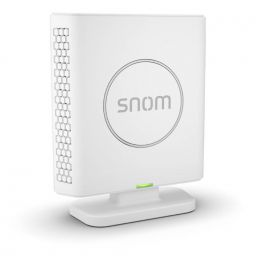
Snom M400 DECT Base
IN STOCKA modern wireless DECT phone system that transforms internal communication in your company.- Power over Ethernet
- Up to 50 m indoor range / 300 m outdoor range
- TLS and SRTP security
- Phonebook Directory
- Up to 20 connected cordless handsets, up to 10 simultaneous calls
£146.80£109.99 £131.99 Incl. VATRef: SMM400Compare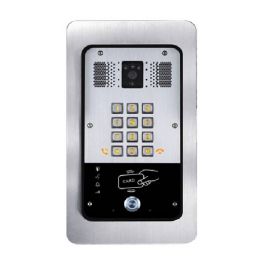
Fanvil i31S SIP Video Door Phone
IN STOCKHighly reliable video door phone, designed for indoor use- Compatible with standard SIP (RFC3261) and main IPPBX/IMS platform
- Protection ratings: IP65 and IK10
- All.in-one (Access Control, Intercom and Broadcasting)
- HD audio: integrated 3W speaker and AEC
- Built-in HD camera with backlight compensation
- Supports wide temperature range: -40-+70ºC
- System online maintenance and management
£434.49£433.99 £520.79 Incl. VATRef: FANI31SCompare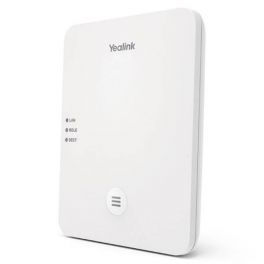
Yealink Base DECT W80DM
Multi-Cell IP DECT Wireless Base Station - ideal for pairing other Yealink W80 bases- Seamless roaming and delivery
- DECT radio coverage up to 50m indoors and 300m outdoors
- Up to 100 parallel calls
- Up to 30 base stations
- Supports LDAP/Remote Phone Book
- Supports XSI Directory
- Opus and PoE support
- Compatible with Yealink W56H and W53H (version x.83.0.20 or later)
IN STOCK5 of 1 Reviews£293.99£162.99 £195.59 Incl. VATRef: YEALINKW80DMCompare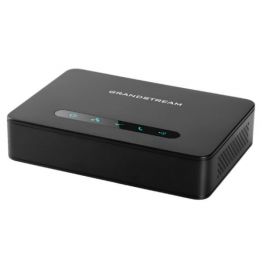
Grandstream DP760 DECT repeater
IN STOCKBroadband and long-range DECT repeater for DP750 base station- DECT repeater
- Up to 2 simultaneous HD calls
- Additional scope of 300 m. outdoors and 50 m. in interior
- Automatic or manual association with the DP750 base station
- Automated provisioning includes XML configuration files
- The Ethernet connection provides PoE functions
£103.99 £124.79 Incl. VATRef: GRADP760UKCompare
Fanvil A11V Outdoor SIP Video Intercom
IN STOCKOutdoor IP video intercom with a 4 MP HD camera, HD audio, IP66 and IK10 ratings, PoE+, 2 SIP accounts and extensive compatibility with IP PBX systems for professional access control.- 4 MP HD camera with IR illumination and HDR technology for crisp images day and night.
- 2 SIP accounts compatible with leading IP PBX systems and VoIP platforms.
- Full-duplex HD audio with AEC, ANR, AGC and AVC algorithms for clear communications.
- IP66 and IK10 certifications to withstand water, dust, impacts and vandalism.
- PoE+ power supply and numerous I/O interfaces for integration with security systems.
- Wall-mounted installation with support for SD card recording and broadcast messages.
£205.99£182.99 £219.59 Incl. VATRef: FANA11VCompare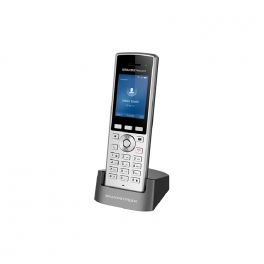
Grandstream WP822
IN STOCKThe WP822 is a portable Wi-Fi IP phone designed to suit a variety of enterprises and vertical market applications, including retail, logistics, medical, and security.- Dual-band Wi-Fi with efficient antenna design and advanced roaming support
- 2 SIP accounts, 2 lines
- HD voice & dual MIC design with AEC and Noise Shield Technology
- Rechargeable 2000mAh battery, 8-hour talk time, 200-hour standby
- Integrated Bluetooth to connect headsets
- Configurable button for push-to-talk
- Micro USB port and 3.5mm headset jack
£116.99 £140.39 Incl. VATRef: GRAWP822UKCompare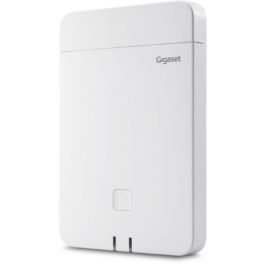
Gigaset N670 DECT IP
IN STOCKExpandable VoIP DECT telephony system- Single-cell IP DECT system
- Up to 20 DECT terminals
- Up to 8 simultaneous voice calls
- Advanced application and data integration
- Power over Ethernet (PoE)
- Compatible with all Gigaset Professional Terminals
£119.99£104.99 £125.99 Incl. VATRef: SIN670IPUKCompare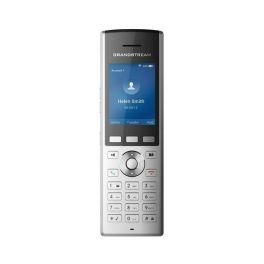
Grandstream WP820
IN STOCKPortable WiFi IP phone with dual-band WiFi support, built-in Bluetooth, and sophisticated antenna design.- IP DECT cordless phone
- 2 SIP accounts,
- 2 lines Integrated Wi-Fi technology
- 3.5mm Jack and Bluetooth connection for audio accessories
- Long battery life: Up to 150 hours standby
- Push To Talk Button
- Possibility to connect it with GDS3710 and GDS3705 video door entry units
£151.99 £182.39 Incl. VATRef: GRAWP820UKCompare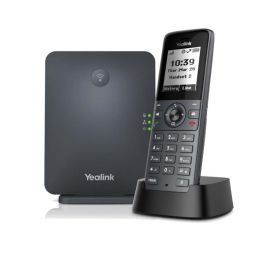
Yealink W71P
IN STOCKHigh-performance DECT IP cordless telephone system, ideal for businesses that require flexibility and mobility in communications.- Supports up to 10 DECT cordless phones
£76.99 £92.39 Incl. VATRef: YEAW71PCompare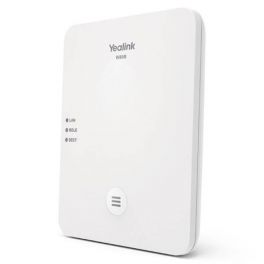
Yealink Base DECT W80B
IN STOCKDECT IP Multi-Cell Wireless Base Station- Seamless delivery and roaming
- DECT radio coverage of up to 50m indoors and 300m outdoors
- Up to 100 parallel calls
- Up to 30 base stations
- Supports LDAP / Remote Phone Book
- Support Xsi Directory
- Opus and PoE support
- Compatible with Yealink W56H and W53H (version x.83.0.20 or later)
£293.99£162.99 £195.59 Incl. VATRef: YEALINKW80BCompare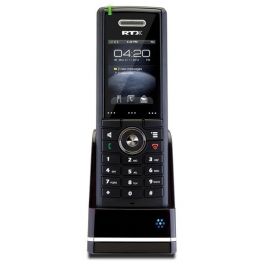
RTX8630 Cordless IP Handset
Cordless handset for use with the RTX8630 VoIP system- HD audio
- 2-inch TFT colour display
- Headset compatible
- Wideband speakerphone
- Phonebook with 100 entries
- Vibration option
- DECT base not included
IN STOCK5 of 1 Reviews£176.99£154.99 £185.99 Incl. VATRef: RTX8630Compare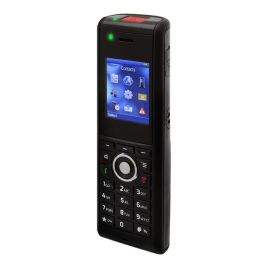
RTX8830 Robust IP65 Cordless IP Handset
IN STOCKCordless rugged IP handset for use with the RTX8630 VoIP system- HD audio
- IP65 water and dust resistance
- Robust design
- 2-inch TFT colour display
- Headset compatible
- Wideband speakerphone
- RTX8660 base unit not included
£224.99 £269.99 Incl. VATRef: RTX8830Compare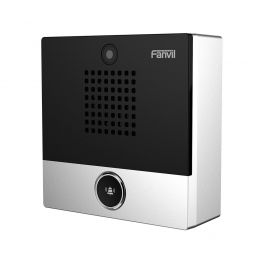
Fanvil i10SV SIP Video Intercom
Call us for availabilityIndoor IP54 SIP Mini Intercom with HD video- IP54 waterproof and dustproof casing
- Acoustic echo cancellation
- 2 SIP lines
- HD video and audio
- PoE
£107.79£97.99 £117.59 Incl. VATRef: FANI10SVIDEOCompare
Cordless VoIP phone - modern communication without cables
What is a cordless IP phone?
An IP phone uses Internet Protocol (IP) to transmit voice data over networks. Unlike traditional telephones that operate on the public switched telephone network, an IP phone converts your voice into digital data packets and sends them across your company network or the internet. All of this without the hassle of cables or wires.
IP telephony and VoIP - briefly explained
Voice over Internet Protocol (VoIP) is the technical foundation of modern IP telephony. Here’s how it works: when you speak, the microphone in your IP phone captures the sound waves and converts them into electrical signals. An integrated codec compresses these signals into digital data packets, which are sent over the network to the recipient. There, the packets are converted back into audible speech.
The Session Initiation Protocol (SIP) plays a central role as the standard for signalling and controlling VoIP connections. SIP sets up, manages and ends calls, while also enabling advanced features such as call forwarding and conference calling.
Wi-Fi phone: a cordless VoIP phone with built-in WLAN
Combining Voice over IP telephony with Wi-Fi connectivity opens up new possibilities for mobile communication in the office. Modern cordless VoIP phones include integrated Wi-Fi modules that connect directly to your corporate network. This means you can move freely within your Wi-Fi coverage without compromising call quality.
Wi-Fi functionality can operate alongside traditional DECT technology, enabling seamless handover between different base stations. This dual-mode approach ensures optimal reachability and mobility.
Benefits of using voice over IP cordless phones
- Cost-effective: significantly reduces costs, especially for long-distance and international calls, and minimises on-site installation, making it a budget-friendly option for businesses.
- Scalable: add or remove lines easily as your business grows, with minimal risk.
- Rich features: enjoy capabilities such as call forwarding, voicemail-to-email, conferencing and auto-attendants.
- Freedom to move: make and receive calls from anywhere with an internet connection.
- Integration: connects with other business applications to streamline workflows and customer service.
- Excellent audio quality: experience clear voice calls and fewer misunderstandings.
- Easy setup: often requires only a broadband connection and minimal hardware.
- Enhanced security: encryption and secure protocols provide strong protection against eavesdropping and hacking.
- Environmental benefits: reduces reliance on traditional phone lines and paper-based processes.
Brand comparison: leading cordless VoIP phone manufacturers at a glance
-
Gigaset
A German quality brand renowned for cordless IP phones. The Pro series targets business users, offering robust DECT handsets with long battery life, intuitive operation and seamless integration into diverse VoIP environments.
-
Yealink
Focused on innovative voice over IP cordless phone solutions with outstanding HD audio and advanced IP features for professional, business-grade use.
-
Snom
Known for an open SIP architecture compatible with virtually all VoIP providers. The M series offers solutions optimised for mobile workplaces with rugged handsets.
Frequently asked questions (FAQ)
- 1. What’s the difference between a cordless VoIP phone and a traditional phone?
- A voice over IP cordless phone uses Internet Protocol to carry voice over networks, while traditional phones use the classic telephone network. IP phones offer advanced features, cost benefits and better integration with modern IT systems.
- 2. Will a cordless IP phone work without the internet?
- No, cordless VoIP phones need a network connection for VoIP features. However, some models can also operate as standard DECT phones with an analogue system if configured accordingly.
- 3. Do I need special network equipment for cordless VoIP phones?
- Generally, cordless IP phones work on standard network infrastructure. For optimal call quality, a network with Quality of Service (QoS) and sufficient bandwidth is recommended.
- 4. Can I keep my existing number when switching to VoIP?
- Yes, number porting is usually possible. Speak to your VoIP provider about moving your existing business numbers during migration.
- 5. How secure is communication over voice over IP cordless phones?
- Modern VoIP phones support security protocols such as TLS for signalling and SRTP for media encryption. With correct configuration, they offer at least the same level of security as traditional telephony.
- 6. What internet speed do I need for optimal VoIP quality?
- Allow roughly 80-100 kbps per call. For multiple simultaneous calls and extra features, budget additional bandwidth, ideally with QoS prioritisation.
- 7. Do Gigaset cordless VoIP phones work with all VoIP providers?
- Most modern IP phones, including Gigaset, are SIP-compatible and work with the majority of VoIP providers. Check your provider’s compatibility list or ask our experts.