
My Cart



Wireless barcode scanners
Wireless handheld scanners for greater mobility
Wireless handheld scanners allow you to scan barcodes quickly while giving you greater freedom of movement. Ideal for shops, warehouses, stockrooms and logistics environments, they make checkout, stocktaking and order preparation easier. Discover our range of professional wireless barcode scanners, with different scanning and connectivity technologies to suit your requirements.

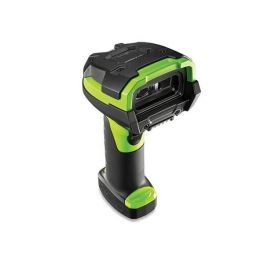
Zebra LI3608 – Ultra-rugged barcode scanner
Call us for availabilityUltra-rugged 1D barcode scanner with Bluetooth.£594.99£265.99 £319.19 Incl. VATRef: ZEBLI3608Compare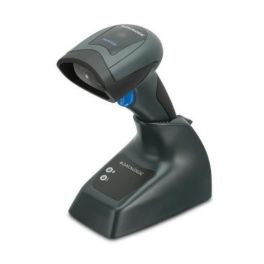
Datalogic QuickScan QM2131 Wireless 1D Scanner
Call us for availabilityWireless 1D barcode scanner with a 433 MHz radio, a range of up to 25 metres and a charging dock, for use in retail, stock-taking and goods receipt.£139.99 £167.99 Incl. VATRef: DATAQM2131Compare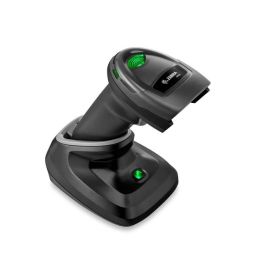
Zebra DS2278-SR 1D/2D barcode scanner + USB cable + stand
Out of stockWireless 1D/2D barcode scanner with Bluetooth, USB charging dock and hands-free mode for flexible and reliable data capture in day-to-day business operations.£174.99 £209.99 Incl. VATRef: ZEBDS2278KIT2Compare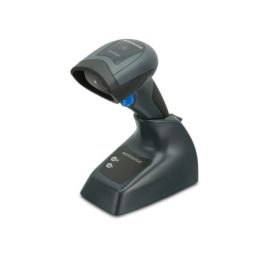
Datalogic QuickScan QBT2131 Bluetooth 1D Scanner
Call us for availabilityWireless 1D scanner with Bluetooth 3.0, a range of up to 25 m and a long-lasting battery, for retail, stock management and goods receipt.£148.99 £178.79 Incl. VATRef: DATAQBT2131Compare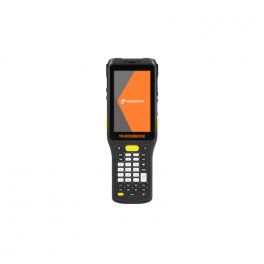
Thunderbook Vega A400 - 2D long-range reader
Call us for availability4" rugged PDA with long-range 1D + 2D barcode scanner£1,123.99£1,067.99 £1,281.59 Incl. VATRef: THUNVEGA400LACompare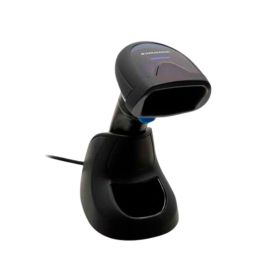
Datalogic QuickScan QBT2500 Bluetooth 1D/2D Scanner
Call us for availabilityWireless 1D and 2D scanner with Bluetooth, omnidirectional scanning and Green Spot to streamline payments, stock-taking and professional data capture.£157.99 £189.59 Incl. VATRef: DATAQBT2500Compare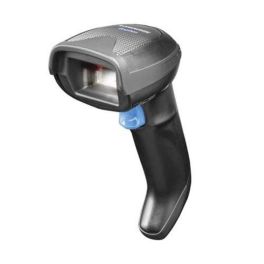
Datalogic Gryphon GM4500 Wireless 1D/2D Scanner
Call us for availability433 MHz wireless 1D and 2D scanner with a 1 MP sensor, inductive charging and omnidirectional scanning for professional barcode scanning.£699.99£622.99 £747.59 Incl. VATRef: DATAGM4500Compare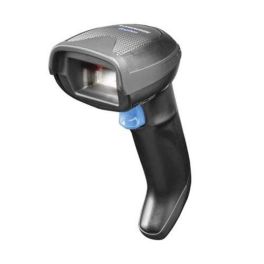
Datalogic Gryphon GBT4500 Bluetooth 1D/2D Scanner
Call us for availabilityWireless 1D and 2D scanner with Bluetooth, 1 MP sensor, inductive charging and omnidirectional scanning for professional barcode capture.£402.99 £483.59 Incl. VATRef: DATAGBT4500Compare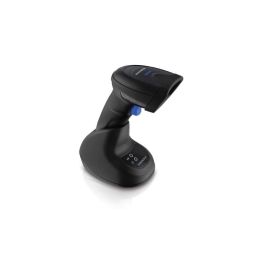
Datalogic QuickScan QM2500 Wireless 2D Scanner
Call us for availabilityWireless 2D scanner operating at 433 MHz with a 1 MP sensor, Green Spot, Motionix and a range of up to 30 m, supplied with a base and a USB cable.£157.99 £189.59 Incl. VATRef: DATAQM2500Compare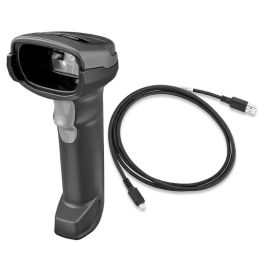
Zebra DS2278-SR Wireless 1D/2D barcode scanner + USB cable
Out of stockWireless handheld scanner with Bluetooth and a USB cable for the rapid scanning of 1D and 2D barcodes in the retail sector and at the point of sale.£148.99 £178.79 Incl. VATRef: ZEBDS2278KITCompare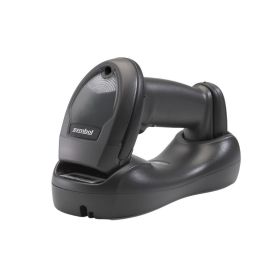
Zebra LI4278 1D Bluetooth scanner + USB cable + docking station
Out of stockBluetooth 1D barcode scanner with a horizontal charging and communication dock and a USB cable for fast scanning at checkouts and workstations.£262.99 £315.59 Incl. VATRef: ZEBLI4278KIT2Compare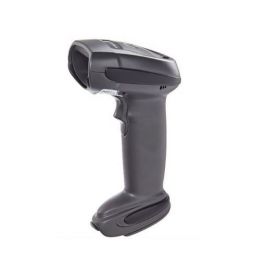
Zebra LI4278 – Wireless barcode scanner
Call us for availabilityA wireless Bluetooth 1D scanner designed for fast scanning at ranges of up to 100 m, with up to 57,000 scans per charge and IP53 protection.£200.99 £241.19 Incl. VATRef: ZEBLI4278Compare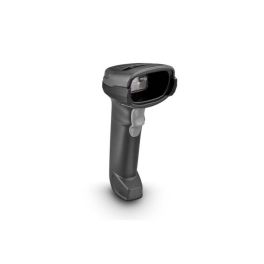
Zebra DS2278 SR Bluetooth 1D/2D Scanner
Call us for availabilityWireless 1D and 2D scanner with Bluetooth, PRZM technology and omnidirectional scanning to speed up payments and code scanning in professional environments.£157.99£125.99 £151.19 Incl. VATRef: ZEBDS2278Compare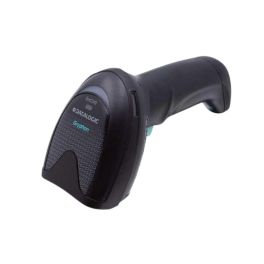
Datalogic Gryphon GM4200 Wireless 1D Scanner
Call us for availability433 MHz wireless 1D scanner with a range of up to 50 m and Green Spot, for retail, services and professional data capture.£362.95£167.99 £201.59 Incl. VATRef: DATAGM4200Compare
Key features of wireless handheld scanners
A wireless handheld scanner combines fast barcode scanning with greater freedom of movement. It can be used around a checkout, on the shop floor, in a stockroom or warehouse without being permanently connected to a computer or terminal by cable.
| Wireless connectivity | Bluetooth or another wireless connection, depending on the model, allowing you to work away from the main workstation. |
| 1D or 2D scanning | Choose a model compatible with the types of codes used by your business, including standard barcodes or QR codes. |
| Battery life | An essential factor for mobile or intensive use throughout the working day. |
| Wireless range | Determines the maximum distance between the scanner and its base, terminal or connected device. |
| Durability | Some models are designed to withstand impacts, drops and demanding professional environments. |
| Base or charging station | Makes it easy to recharge the scanner and, depending on the model, provides communication with the workstation. |
How to choose the right wireless handheld scanner
- OK Define your working area: the required wireless range will differ between a checkout, shop or warehouse.
- OK Check the codes you need to scan: 1D for linear barcodes or 2D for QR codes.
- OK Compare battery life: for intensive use, choose a model capable of lasting throughout your working day.
- OK Check connectivity: make sure the scanner is compatible with your computer, terminal, tablet or POS system.
- OK Assess durability: in logistics or warehouse environments, resistance to drops and intensive use is particularly important.
- OK Check the charging base: depending on your setup, a dedicated station can make charging and storing the scanner easier.

Why choose a wireless handheld scanner rather than a USB model?
A wireless handheld scanner is particularly useful when you need to scan products located away from the workstation, bulky parcels or items spread across different areas. It provides greater mobility than a wired USB scanner. For a fixed workstation where the scanner always remains close to the checkout or computer, however, a USB model can be simpler to use and does not require battery management.
Wireless barcode scanners across different industries
Wireless scanners are particularly suitable for shops, warehouses, stockrooms and logistics environments. At the point of sale, they make it easier to scan bulky or difficult-to-move items. In warehouses, they provide greater freedom of movement when carrying out stocktakes, checking goods and preparing orders. They can also be used in professional environments where the scanning workstation needs to remain flexible.
Wireless handheld scanner or portable barcode terminal?
A wireless handheld scanner is primarily a scanning device that sends data to a computer, till or other terminal. A portable barcode terminal generally includes additional features such as a screen, operating system or business applications that allow information to be processed directly on the device. For straightforward barcode scanning, a wireless handheld scanner is often sufficient; for more complex mobile operations, a portable terminal may be more suitable.
Why choose Onedirect?
Onedirect offers a range of professional wireless handheld scanners and Bluetooth barcode scanners for different working environments. Compare models by scanning technology, battery life, wireless range, durability and compatibility. Our advisers can also help you identify the right model for your POS system, computer workstation or logistics environment.
FAQ – Frequently asked questions
What is a wireless handheld barcode scanner?
A wireless handheld barcode scanner is a portable device that scans barcodes and sends the information to a computer, till or terminal without requiring a permanent wired connection. This provides greater mobility during scanning operations.
How does a wireless barcode scanner work?
The scanner communicates with the workstation using a wireless connection, such as Bluetooth or a dedicated base depending on the model. The scanned data is then transmitted to the software or system being used.
What wireless range do you need for a handheld scanner?
The required range depends on your working environment. A few metres may be sufficient around a checkout, while a stockroom or warehouse may require a longer range. Always check the manufacturer's maximum stated distance under the intended operating conditions.
Can a wireless handheld scanner read QR codes?
Yes, provided it uses 2D scanning technology. A 1D scanner is limited to linear barcodes, while a 2D model can also read QR codes and other two-dimensional formats.
What is the difference between a Bluetooth barcode scanner and a wireless scanner with a base?
A Bluetooth barcode scanner can connect directly to a compatible device, while a scanner with a base generally uses the station for communication and charging. The exact setup will depend on the model.
When should you choose a portable barcode terminal rather than a handheld scanner?
Choose a portable barcode terminal if you need to scan as well as view, enter or process data directly on the device. If you simply need to send barcode data to a workstation, a wireless handheld scanner is generally sufficient.