My Cart



SIM-based Landline Phone
Reliable SIM-based Landline Phone
A GSM desk phone, also known as a SIM-based landline phone, combines the benefits of mobile communication with the comfort of a desk phone and offers:
- Integration with existing communication systems: use SIM cards from different providers, or choose models with Wi-Fi functionality
- Flexible deployment options: sites without landline infrastructure, temporary offices, or an emergency phone during network outages
- Low costs: no expensive landline installation, just attractive mobile tariffs

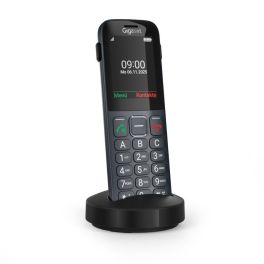
Gigaset Comfort 600 SIM
IN STOCKConvenient 4G/LTE phone with integrated SIM card slot, combining classic landline operation with modern VoLTE technology- 4G LTE Connectivity: Single SIM support with GSM, LTE, and UMTS network compatibility
- 2.4-Inch Display: Clear 240 x 320 pixel resolution screen
- Bluetooth 5.0
- 1000 mAh removable battery providing up to 9 hours talk time and 300 hours standby
- USB Type-C Port
- Compact 118 g form factor measuring just 15.5 x 5.2 x 1.8 cm for easy portability
- Hearing Aid Compatible
£51.99 £62.39 Incl. VATRef: SICOM600SIMCompare- Back to WorkPromotional price valid until 25/09/2026.
Extra discount: £25 off orders over £400 with BACK25
£50 off orders over £700 with BACK50
£80 off orders over £1,000 with BACK80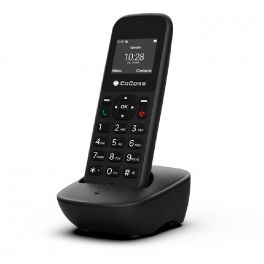
CoComm DT100
4G mobile designed to meet the demands of residential and business markets, with exceptional audio quality- 4G mobile phone with charging base for homes or offices
- 1.8'' color LCD screen
- Multi-conference function with HD voice
- 32 MB RAM with calculator, alarm and FM radio
- VoLTE, Bluetooth 5.0 and WiFi hotspot
- 800 mAh battery with 2.5 hours of autonomy in use
- Supported languages: Spanish, English, French, German
IN STOCK5 of 2 Reviews£75.99£64.99 £77.99 Incl. VATRef: COCODT100Compare - Back to WorkPromotional price valid until 25/09/2026.
Extra discount: £25 off orders over £400 with BACK25
£50 off orders over £700 with BACK50
£80 off orders over £1,000 with BACK80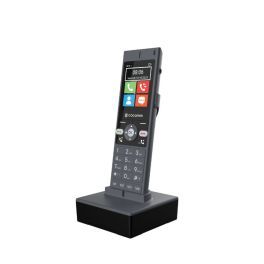
COCOMM DT250 black
IN STOCK4G cordless phone with charging cradle, VoLTE, VoWiFi, Bluetooth and WiFi hotspot for professional environments without a landline.- 4G cordless phone with SIM-in for working without a landline and maintaining mobility in offices, reception areas, retail outlets or the hospitality sector.
- Compatible with 2G, 3G and 4G LTE with support for VoLTE, VoWiFi and WiFi Calling depending on network and operator.
- 2.4" colour LCD screen for managing calls, contacts, SMS and basic functions with good visibility.
- 5 dedicated memory keys to speed up dialling of frequent contacts in customer service or coordination environments.
- Bluetooth 4.2 and WiFi Hotspot to extend connectivity in more dynamic workplaces.
- HD audio and 1 W speaker with vibration and notification LED for more practical everyday use.
- Docking and USB-C charging with 3.5 mm CTIA headphone jack and a convenient design for desktop use and internal mobility.
£104.99 £125.99 Incl. VATRef: COCODT250NCompare - Back to WorkPromotional price valid until 25/09/2026.
Extra discount: £25 off orders over £400 with BACK25
£50 off orders over £700 with BACK50
£80 off orders over £1,000 with BACK80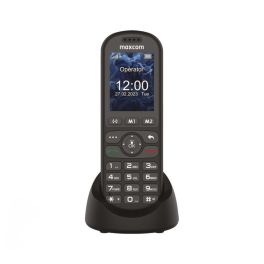
MAXCOM M39D SE
IN STOCK4G desktop phone with SIM card, charging dock, large keys, VoLTE and a simple menu, ideal for the office, telecare and everyday use.- Desktop 4G SIM-enabled phone designed for users who need simple communication
- Compatible with 2G, 3G and 4G LTE networks with VoLTE support for clearer calls
- 2.4" colour display with large font and simple menu for easy navigation, reading and access to basic functions.
- Charging dock and USB-C for convenient desktop charging and practical installation at reception, in the office or for telecare.
- M1 and M2 programmable keys plus speed dial to streamline frequent calls and priority contacts.
- Useful everyday functions such as hands-free, SMS and MMS, FM radio, alarm, calendar, calculator and torch.
- Phonebook for up to 2000 contacts with MicroSD support up to 32 GB to expand storage and keep information organised.
£38.99 £46.79 Incl. VATRef: MAXMM39DSECompare 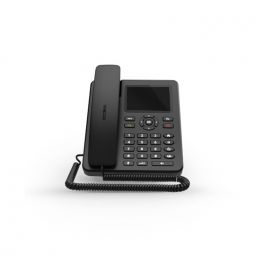
Tecdesk Model4
IN STOCKDesktop phone SIM card reader with touch screen- Desktop 4G phone with SIM card reader
- 3.5 "colour touch screen, easy navigation
- Compatible with all operators
- Operating system Android 6.0
- Integrated Bluetooth technology
- 8 direct memory keys: call your favourite numbers directly
- Plug and Play, easy to install, insert your SIM card and phone!
£215.99 £259.19 Incl. VATRef: TECMODEL4GCompare- Back to WorkPromotional price valid until 25/09/2026.
Extra discount: £25 off orders over £400 with BACK25
£50 off orders over £700 with BACK50
£80 off orders over £1,000 with BACK80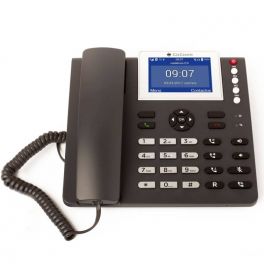
CoComm F740
Call us for availability4G cordless phone with SIM card and 3.5mm jack slot - ideal for businesses- Business landline phone with SIM card
- With Bluetooth connection and 3.5mm jack
- Professional HD quality calls
- Dual noise-canceling microphone for crystal clear speech
- Professional functions: conference call, standby...
- 3.5'' colour LCD display and 4 memory keys
- Security slot and remote updates
- Allows connection sharing with 8 stations
£182.99£156.99 £188.39 Incl. VATRef: COCOF740Compare - Back to WorkPromotional price valid until 25/09/2026.
Extra discount: £25 off orders over £400 with BACK25
£50 off orders over £700 with BACK50
£80 off orders over £1,000 with BACK80
COCOMM F360 4G desk phone
Call us for availabilityA 4G mobile phone with a SIM slot, hands-free functionality, Bluetooth and speed dial keys, designed for use in the workplace, reception areas and locations without a landline.- 4G phone with SIM card: enables working without a landline
- Compatible with 2G, 3G and 4G networks
- 2.4-inch monochrome LCD screen with a clear interface
- Audio features: handset, hands-free mode, HD Voice support
- Speed dial and direct memory via programmable keys
- Connectivity: Bluetooth 5, USB-C, 3.5 mm CTIA jack and RJ9 headset port
- Practical: internal battery and wall-mount option
£78.99 £94.79 Incl. VATRef: COCOF360WCompare 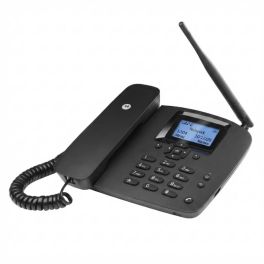
Motorola FW405 4G cordless landline telephone
Call us for availabilityA 4G landline phone compatible with LTE networks, designed to replace a landline using a Nano SIM card, featuring a hands-free speaker, a backlit display and a backup battery.- 4G LTE landline phone: replaces a traditional telephone line
- Nano SIM compatible
- Supports VoLTE calls and SMS messages directly from the phone
- 2.2-inch backlit LCD screen: excellent readability
- Hands-free speakerphone for communication without a handset
- 500-contact phonebook, call history and 8 speed-dial keys
- Back-up battery: up to 140 hours’ standby time and 5 hours’ talk time in the event of a power cut
£60.99 £73.19 Incl. VATRef: MOFW405Compare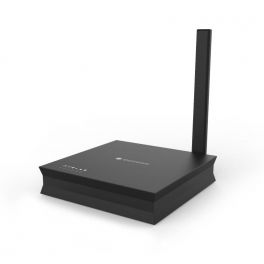
CoComm CV100
Call us for availabilityReplace your traditional fixed network without losing your existing systems- 2G wireless voice box for your landlines
- Fixed line wherever you want without infrastructure
- GSM network with SIM card and 2 RJ11 ports
- Functions: call waiting, call forwarding, multiparty conferencing
- Telecare service support
- External antenna
- 4000mAh battery
£71.99£60.99 £73.19 Incl. VATRef: COCOCV100Compare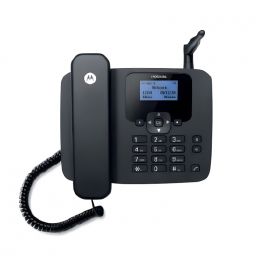
Motorola FW410L
DiscontinuedPerfect 4G cordless phone for professionals without fixed infrastructure or for residential needs- Cordless landline phone: SIM card
- Quad-band GSM (850/900/1800/1900MHz)
- 2.2" black and white backlit screen
- Hands-free and mute modes
- Call transfer
- SMS messaging
- Wi-Fi hotspot
- Rechargeable Ni-MH 800mAh battery
Check the alternative productRef: MOFW410LCompare- IconBest Seller
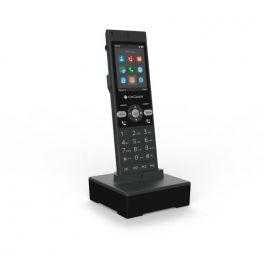
CoComm DT200
4G cordless phone with SIM card - ideal for individuals or businesses that require mobility, including older people- Fixed phone with SIM card for home or office use
- Simple menu: ideal for shopping centres and businesses
- 2.4'' colour display with at-a-glance information
- 4G VoLTE network, secure multi-conferencing
- Quality calls with your HD voice
- Key memory and customisation
- Bluetooth 4.2 and Wi-Fi connectivity
- 3.5mm Jack connection for headphones
Discontinued5 of 2 ReviewsCheck the alternative productRef: COCODT200Compare 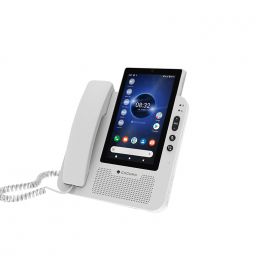
Cocomm F900
Desk phone with integrated SIM card and tablet- Landline, mobile, tablet and router in one device
- Operating system: based on Android 11
- Touch screen: 7" Vertical position
- Battery Li-ion, 4000mAh
- Connectivity: Wi-Fi and Bluetooth 5.0
- Front facing 8MP webcam with flip-lock
- Languages: English, Spanish, French, Portuguese, Italian (via AOS), German (via AOS)
Discontinued4.7 of 3 ReviewsCheck the alternative productRef: COCOF900Compare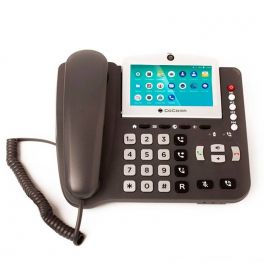
CoComm F840
Discontinued4G SIM-based landline phone: additional connectivity while maintaining high productivity- 4G SIM cordless phone for large corporations
- 4.5'' touch screen and 4-speed dial keys
- Android 8.1 operating system, Bluetooth and WiFi
- Allows connection sharing with 8 stations
- HD voice quality for perfect calls and hands-free calling
- Noise-cancelling microphones for maximum clarity
- 2 Mpx Webcam for video calls
- Remote synchronisation and update for devices
- Android allows you to install software via APK
Check similar productsRef: COCOF840Compare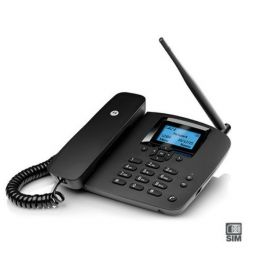
Motorola FW200L
The perfect communication tool for on-the-go businesses- GSM quad-band (850 / 900 / 1800 / 1900MHz)
- 2.2" black and white, full graphic LCD display (128 x 64)
- Battery back up
- No landline required
- 1000 name and number phonebook directory
- Unlocked to all GSM (2G) networks
- Hands-free speakerphone
- SIM and phone lock
Discontinued3.6 of 34 ReviewsCheck the alternative productRef: MOFW200LCompare
SIM-based Landline Phone for Great Communication
A GSM desk phone, also known as a SIM-based landline phone, combines the user-friendliness of classic landline devices with the mobility of modern mobile-phone technology. These innovative communication solutions use the mobile network via an integrated SIM card and give businesses maximum flexibility when choosing locations. Onedirect offers a wide range of GSM desk phones that are ideal for temporary workstations, construction sites, or locations without fixed-line infrastructure.
Benefits of using GSM desk phones
- Flexibility: With a SIM-based landline phone, you can make and receive calls without being tied to a traditional landline. This is especially advantageous for businesses operating in areas with unreliable fixed-line service.
- Cost efficiency: Using a SIM card can often lead to lower call costs, particularly for international communications, helping your business reduce monthly spendings.
- Simple installation: GSM desk phones are user-friendly and require minimal set-up. Simply insert a SIM card and you’re ready to go, no complex cabling required.
- Mobility: SIM-based landline phones are portable, so staff can easily move them around the office or even use them off-site to maintain continuous communication.
- Rich features: Many GSM desk phones come with advanced functions such as call forwarding, voicemail and conference calling, boosting overall productivity.
- High call quality: Enjoy crystal-clear audio that rivals traditional desk phones, ensuring effective communication during important business calls.
- Durability: Designed for daily use, SIM-based landline phones are built from robust materials to withstand busy office environments.
- Scalability: As your business grows, you can easily add additional GSM desk phones without major infrastructure changes.
- Compatibility: SIM-based landline phones integrate seamlessly with existing office technology, including PBX systems and other telecom solutions.
- Enhanced security: With features such as caller ID withholding and call encryption, your conversations remain secure, reassuring for sensitive discussions.
Types of modern SIM-based landline phone
Standard SIM-based landline phone: proven essentials
Classic GSM models provide the core telephony functions with straightforward SIM integration. These robust devices feature large displays, comfortable keypads and often an internal battery to keep you connected during power cuts. Audio quality meets modern mobile standards with digital signal processing.
Dual-mode phones: the best of both worlds
Innovative dual devices combine GSM functionality with DECT technology, enabling parallel use of mobile and fixed-line networks. These versatile phones automatically switch between available networks to optimise call costs and connection quality. A dual-capable phone offers maximum flexibility for varied communication scenarios.
Cordless phone with SIM card: mobility meets comfort
Modern SIM-based landline phones combine the freedom of DECT handsets with SIM-based connectivity. These hybrid solutions use a base station with an integrated GSM modem and provide wireless handsets for flexible use around the office. The built-in battery ensures you remain reachable even during power interruptions.
Business features for professional use
Premium GSM desk phones offer advanced business functions such as conferencing, call forwarding, caller ID withholding and SMS. Many models support multiple SIM cards simultaneously or provide Bluetooth connectivity for headset integration.
Frequently asked questions (FAQ) about GSM desk phones
1. Does a landline-style phone with a SIM card work the same as a normal mobile?
Yes, SIM-based landline phones use the same mobile network technology as mobiles, but they are designed as stationary devices. They often deliver better audio thanks to larger speakers and offer more ergonomic operation with full-size keypads.
2. Do I need a special tariff for my GSM desk phone?
No, you can use any standard mobile tariff. Flat-rate plans or dedicated business packages are particularly advantageous. Check network coverage at the intended location before choosing a plan.
3. How long does the battery last on SIM-based landline phone?
Battery life varies by model and usage. Typical figures are 8–15 hours of talk time and 100–200 hours on standby. Many devices also run on mains power with the battery as a backup.
4. Can I use my GSM desk phone abroad?
Yes, provided your mobile plan supports roaming. Be aware of additional roaming charges. For longer periods abroad, a local SIM card is recommended.
5. What network quality do I need for good call?
For optimal call quality, at least 2G (GSM) coverage should be available. 3G or 4G/LTE further improves connection quality. Most modern GSM desk phones automatically support multiple network standards.
6. Are dual-mode phones with GSM and DECT worthwhile?
SIM-based landline phone provide maximum flexibility, as they can automatically select the most cost-effective or highest-quality available network. They are particularly useful in environments with both fixed-line and mobile connectivity.
7. How secure are SIM-based landline phones against eavesdropping?
Modern GSM desk phones use the same encryption standards as mobiles. For the highest security requirements, there are specialist business models with enhanced security features and encryption.
8. Can I send and receive SMS with a GSM desk phone?
Most GSM desk phones fully support SMS. Thanks to larger displays and keypads, composing texts is often more comfortable than on conventional mobiles, especially for business messaging.