
My Cart



Corded Phone
A business communications classic - the corded phone
Do you need a corded phone that delivers stability, ease of use and clear voice quality? We offer a wide selection of high-quality desk phones:
- Analogue, digital and IP phones compatible with routers, telephone systems (PBXs) or direct line connection
- System phones for professional communications in large teams or offices
- Phones with answering machines and function keys for efficient day-to-day work

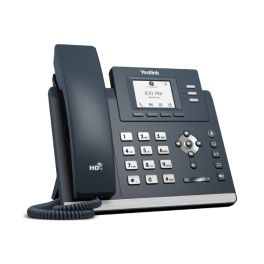
Yealink MP52 E2 Microsoft Teams Phone
IN STOCKMicrosoft Teams certified IP phone with Android 13 and HD audio for business environments.- Native Microsoft Teams app: simplified calling and meeting experience
- Android 13.0: secure, modern and easy-to-manage platform
- 2.4’’ color display (320 x 240)
- HD full-duplex audio: more natural conversations (reduced echo/noise)
- Dual Gigabit port: PC + phone connection, smooth network performance
- PoE IEEE 802.3af: simplified installation
- USB Type A: compatible with USB peripherals/headsets
£153.99£138.99 £166.79 Incl. VATRef: YEALINKMP52E2TCompare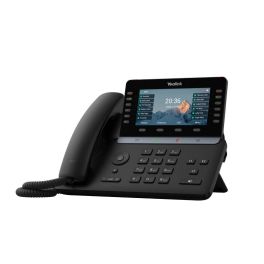
Yealink T85W
IN STOCKCompact SIP phone with 5.5’’ display, wifi 6 and Bluetooth 5.0, designed for performance and durability.- Up to 16 SIP lines and 60 DSS keys
- Operating system: Linux 6.1
- 5.5’’ colour display (960 × 480px)
- HD audio enhanced by AI and Acoustic Shield technology
- Local conferencing with up to 10 participants
- Built-in dual-band wifi 6 and Bluetooth 5.0
- Gigabit Ethernet, USB-A and USB-C ports
- 3-level security: device, network, transmission
- Durable: antimicrobial materials + eco-friendly packaging
£160.99£112.99 £135.59 Incl. VATRef: YEALINKT85WCompare- Back to WorkPromotional price valid until 25/09/2026.
Extra discount: £25 off orders over £400 with BACK25
£50 off orders over £700 with BACK50
£80 off orders over £1,000 with BACK80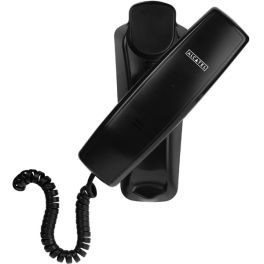
Alcatel Temporis 10 Black Analogue Phone
Black wall-mountable telephone by Alcatel- Wall mountable
- Call answering/ending on handset
- Backlit display
- Adjustable volume
- 2 volume levels
- Colour Black
IN STOCK4.5 of 47 Reviews£17.99£14.99 £17.99 Incl. VATRef: ALT10NCompare - IconBest Seller

Yealink T31P
IP Phone with PoE and LCD Display - Ideal for businesses and professionals- Deskphone with 2 SIP accounts
- Full Duplex HD sound quality for clear calls
- Conferencing for 5 participants
- Programmable functions for 6 buttons
- 2.3'' LCD display for quick information viewing
- PoE (with a single cable)
- Two Ethernet ports
- NO PSU INCLUDED
IN STOCK4.2 of 6 Reviews£47.79£32.99 £39.59 Incl. VATRef: YEALINKT31PCompare - IconBest Seller
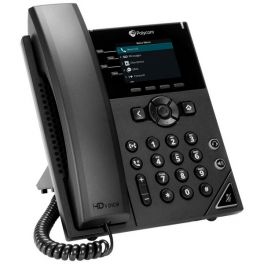
Polycom VVX 250
A 4-line entry-level IP phone with 2.8" colour display
- Desktop IP telephone, 4 SIP lines
- Polycom HD Voice and Acoustic Clarity: clear conversations
- 2.8 "color LCD screen (320x240)
- 2 10/100 Ethernet ports
- Compatible with more than 60 call control platforms
- Built-in USB port
- Web-based configuration tool: seamless administration
IN STOCK5 of 1 Reviews£109.99£84.99 £101.99 Incl. VATRef: POVVX250Compare 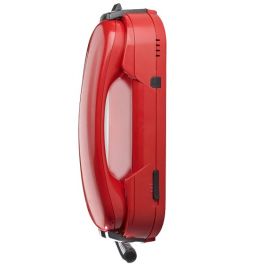
Depaepe HD 2000 IP Emergency Telephone - Red
IN STOCKWall Mountable Emergency Phone with One Preprogrammed Number - No Keypad- Automatically dials one programmed number
- SIP v2 (RFC 3261) protocol
- DHCP - PPPoE – Static IP
- Network Address Translation (NAT)
- DNS srv
- SNTP date and time synchronization
- 2 Ethernet ports Internet/PC (bridge/router)
- 2 LEDs flashing on incoming calls
- Message waiting lamp
- Hearing aid compatible
- PoE - IEEE 802.3af powered / optional power supply
- Dimensions: 73 x 235 x 75 mm
- Weight: 480 g
£199.99£127.99 £153.59 Incl. VATRef: DEHD2SIP1RCompare- Back to WorkPromotional price valid until 25/09/2026.
Extra discount: £25 off orders over £400 with BACK25
£50 off orders over £700 with BACK50
£80 off orders over £1,000 with BACK80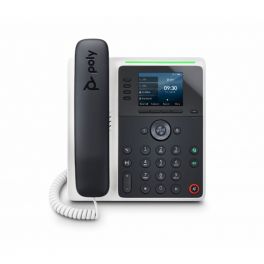
Poly Edge E220
IN STOCKThe Poly Edge E220 phone keeps you sounding professional. These future-forward phones pair the famous Poly noise blocking technology with cutting-edge design that brings style to any desktop or reception area.- 4-line keys supporting up to 16 lines, features and contacts.
- Integrated Bluetooth® 5.0 for mobile phone or headset pairing.
- Signature Poly HD voice.
- Poly NoiseBlockAI and Poly Acoustic Fence technologies.
- Bright 2.8” color IPS LCD display.
£119.99£86.99 £104.39 Incl. VATRef: POEDGEE220Compare 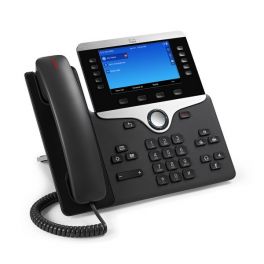
Cisco CP-8851 3PCC
IN STOCK5-line SIP phone with great benefits, 5 "screen and full duplex speaker- Desk phone SIP 5 lines
- New design ergonomic and elegant
- High resolution color screen 5-inch resolution
- Speaker full duplex
- Accessibility Bluetooth
- Power PoE
- Ethernet port (10/100/1000)
- Bluetooth and USB socket
- Supports up to 2 keyboard extensions
£294.80£184.99 £221.99 Incl. VATRef: CI8851SIPCompare- Back to WorkPromotional price valid until 25/09/2026.
Extra discount: £25 off orders over £400 with BACK25
£50 off orders over £700 with BACK50
£80 off orders over £1,000 with BACK80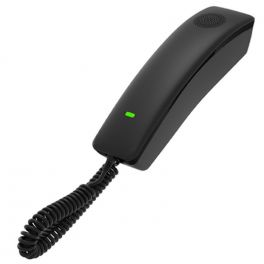
Fanvil H2U V2 Black
IN STOCKIP wall phone designed for hotels and public buildings- Compact SIP phone with wall bracket
- 2 SIP lines
- POE
- HD speaker on headset or wall bracket
- Wall mounting for easy access
- Enhanced sound quality with dedicated CODECS
- Colour: Black
£62.00£45.99 £55.19 Incl. VATRef: FANH2UCompare - IconBest Seller
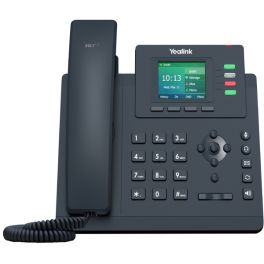
Yealink T33G
GigE fixed IP Phone with PoE and LCD Display - Ideal for businesses and professionals- Deskphone with 4 SIP accounts
- Conferencing up to 5 participants
- Features with 6 customisable buttons
- PoE with a single cable
- 2 Gigabit Ethernet ports
- Full Duplex HD sound quality
- 2.4'' LCD colour screen
- NO PSU INCLUDED
IN STOCK4.8 of 5 Reviews£80.15£52.99 £63.59 Incl. VATRef: YEALINKT33GCompare 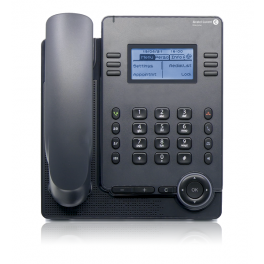
Alcatel-Lucent ALE-20H
The essential hybrid desk phone for excellent communications- 2.8" backlit black and white LCD display
- LED function keys
- Wideband audio technology
- 3 usage options: handset, handsfree or headset
- HD transmission: echo cancellation
- Headset compatible
- Connectivity: RJ45; USB-C; USB-A; RJ9
- Requires RJ45/RJ45 network cable not included
IN STOCK5 of 2 Reviews£150.99£127.99 £153.59 Incl. VATRef: ALALE20HCompare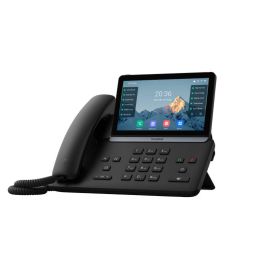
Yealink T87W
IN STOCKSIP phone with 16 lines, 7’’ touchscreen, enhanced security and advanced connectivity (Wifi, Bluetooth).- Up to 16 SIP lines and 84 programmable DSS keys
- Operating system: Linux 6.1
- 7’’ colour touchscreen (800 × 480px)
- HD audio: AI noise cancellation and Acoustic Shield
- Local conferencing with up to 10 participants
- Built-in dual-band wifi 6 and Bluetooth 5.0
- Gigabit Ethernet, USB-A and USB-C ports
- 3-level security: device, network, transmission
- PCR antimicrobial coating: built for intensive use
£209.99£155.99 £187.19 Incl. VATRef: YEALINKT87WCompare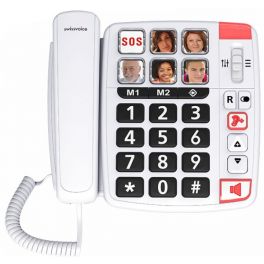
Swissvoice Xtra 1110
Easy-to-use phone with photo memories.- Telephone with large keys and braille writing
- 6 memories with photos (including SOS key)
- 2 direct memories (M1, M2)
- Hands-free function
- Super powerful melody, up to 85 dB
- Audio key - volume Bost in the handset, up to 30 dB
- Voice equalizer function in the handset
- Compatible with hearing aids
IN STOCK4.6 of 10 Reviews£38.49£32.99 £39.59 Incl. VATRef: SWXTRA1110Compare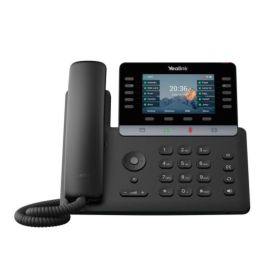
Yealink Sip T74W WIFI BT
IN STOCKHigh-quality SIP office phone with wifi 6 & Bluetooth 5.0, 4.3″ colour display, 16 SIP accounts, ideal for modern business communication.- Support for up to 16 SIP accounts
- Built-in wifi 6 (2.4/5 GHz) for wireless networking
- Bluetooth 5.0 for headset use and mobile sync
- 4.3-inch colour display (480×272) with large user interface
- Expandable with up to 3 EXP55 expansion modules
- Support for modern security features: TEE hardware encryption, Linux 6.1, dual system
- Gigabit Ethernet and Power over Ethernet (PoE) for flexible power and connectivity
- Full-duplex speaker and Optima HD Voice for clear audio quality
£142.99£107.99 £129.59 Incl. VATRef: YEALINKT74WCompare- IconBest Seller
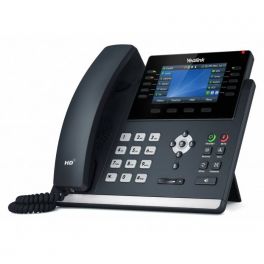
Yealink T46U
Landline phone with 16 SIP accounts, PoE and no PSU - ideal for increasing business productivity- SIP phone with 16 accounts, ideal for businesses
- With two Gigabit Ethernet ports
- 3.7'' LCD display
- HD voice for excellent calls
- Full Duplex speaker and 3-way conferencing
- 2 x USB Connections
- Wi-Fi with optional Yealink WF40/WF50
- Bluetooth with optional Yealink BT41 dongle
- With optional expansion module
- Optional wall mounting kit
IN STOCK4 of 1 Reviews£175.74£114.99 £137.99 Incl. VATRef: YEALINKT46UCompare - IconBest Seller
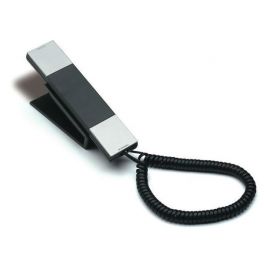
Jacob Jensen HT20 - Silver
Landline phone with professional and elegant design- Landline Phone
- Keypad in the headset
- Pause keys, mute
- Elegant design
- Detachable base
IN STOCK4.5 of 5 Reviews£64.99£53.99 £64.79 Incl. VATRef: JJ1Compare 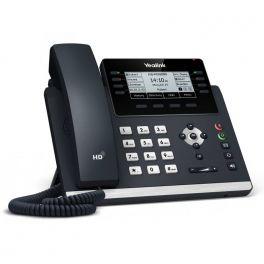
Yealink T43U
IN STOCKSIP phone for clear communications with extra functions - ideal for businesses- SIP phone with 12 accounts
- With two Gigabit Ethernet ports
- Monochrome screen with 3.7"
- HD voice for great calls
- Full-duplex loudspeaker and 3-way conference
- 2 x USB and Wi-Fi connections
- Bluetooth with optional Yealink BT40 dongle
- With optional expansion module
- Optional wall mount kit
£99.99£93.99 £112.79 Incl. VATRef: YEALINKT43UCompare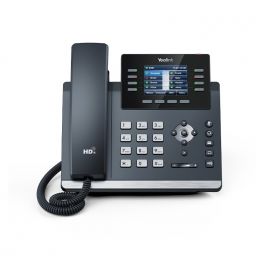
Yealink T44U
IN STOCKBusiness-class IP phone with dual USB ports, HD Voice, and 12 VoIP lines.- 2.8” 320x240-pixel color LCD with backlight
- Supports 12 VoIP accounts with advanced call features
- Dual USB ports for Bluetooth, Wi-Fi, and USB headsets
- Yealink Optima HD Voice technology with Acoustic Shield
- Gigabit Ethernet with PoE support
- Expandable with up to 3 color-screen modules
£109.99£79.99 £95.99 Incl. VATRef: YEALINKT44UCompare- IconBest Seller
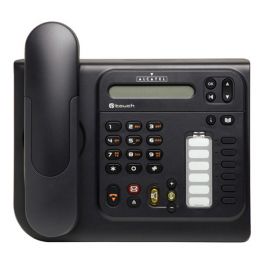
Alcatel 4018- Refurb
Refurbished IP phone for your everyday use- PoE (Power over Ethernet)
- LAN Port (10/100 Ethernet)
- Single Line LCD Screen
- Programmable function keys
- Hands-free option
- Multi-line availability
IN STOCK4.9 of 6 Reviews£47.99 £57.59 Incl. VATRef: AL4018ERCompare 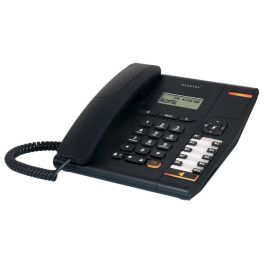
Alcatel Temporis 580 Black Analogue Business Phone
Feature-packed analogue business phone with headset port - black- Dot matrix 2-line screen
- Compatibility with PBX system
- Headset port (RJ9) and direct headset key
- 10 memories and 50-entry directory
- Line-powered
- Available in black or white
IN STOCK4.4 of 46 Reviews£50.00£29.99 £35.99 Incl. VATRef: ALT580Compare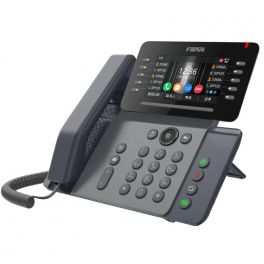
Fanvil V65
IN STOCKSIP desk phone with 20 lines and Bluetooth connection, perfect for professionals.- SIP Professional Office Phone
- Premium mid-range model
- Supports 20 SIP lines
- Adjustable 4.3" colour LCD screen
- Full-duplex audio transmission with noise reduction
- Connectivity: USB; RJ9; RJ45; Bluetooth 5.0 and Wi-Fi
- PoE powered
- Two desktop stand installation options
- Anti-bacterial coating for superior protection
- Supports 6-way conferencing
£150.69£101.99 £122.39 Incl. VATRef: FANV65Compare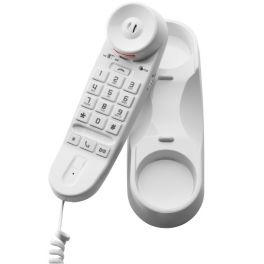
Depaepe Premium 20 Analogue Phone (White)
Professional Wall Mounted Phone- Wall mounting possible
- Silent mode call light
- Keyboard illuminated with large keys
- "Mute" button
- Side Volume Adjustment
- Redial to the last number called
- Hearing Aid Compatible
- Ideal for hospitals, hotels, service stations, corridors, lobbies, banks, exhibition centers.
IN STOCK4.7 of 15 Reviews£22.99£12.99 £15.59 Incl. VATRef: DEPREM20Compare- IconBest Seller
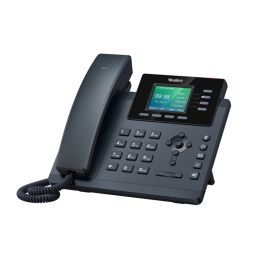
Yealink SIP-T34W Wi-Fi IP Phone
Yealink SIP-T34W IP phone with dual-band Wi-Fi (2.4/5 GHz) and 2.4" color display: 4 SIP accounts, PoE, and USB 2.0 for headsets – ideal for workstations without network cabling.- Integrated dual-band Wi-Fi (2.4/5 GHz) (802.11 a/b/g/n/ac) for installation without network cabling.
- 4 SIP accounts and 5-way local conferencing for efficient call management in the office.
- 2.4” color display (320 x 240) with backlight for clear visibility.
- HD audio with Smart Noise Filtering and full-duplex speakerphone with AEC.
- Dual Gigabit ports + PoE for PC/phone connection and power over Ethernet.
- USB 2.0 for USB headsets and Bluetooth headsets via Yealink BT50/BT51A adapter.
- Adjustable stand and wall-mount option to adapt the workstation setup.
IN STOCK5 of 1 Reviews£73.69£64.99 £77.99 Incl. VATRef: YEALT34WCompare 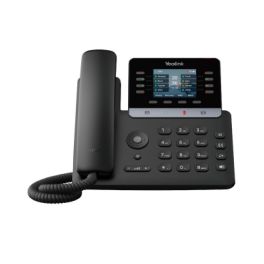
Yealink T73W
IN STOCKProfessional IP phone with Wi-Fi 6, Bluetooth 5.0, HD audio, colour display and support for up to 12 SIP accounts. Ideal for dynamic environments.- Professional phone with up to 12 SIP accounts
- Slim design, colour display and touch buttons
- 2.8'' backlit colour display
- Ultra HD voice quality for clear communication
- Advanced connectivity: Bluetooth 5.0 and Wi-Fi 6
- Supports USB and EHS headsets
- Enhanced security. Linux 6.1 operating system
- Compatible with EXP55 expansion module
£101.99£72.99 £87.59 Incl. VATRef: YEALINKT73WCompare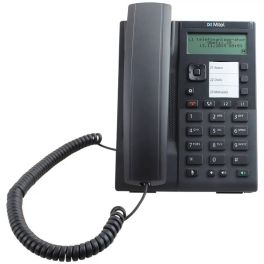
Mitel MiVoice 6905
IN STOCKCompact, affordable IP phone designed for clear, efficient communication in the office.- 2.75’ monochrome screen
- HD audio quality with ambient noise suppression
- 3 programmable keys: quick access to essential functions
- Efficient call management: 3-way conferencing and call waiting
- PoE support: simplified installation
- Enhanced security with communications encryption
£79.99£69.99 £83.99 Incl. VATRef: MI50008301Compare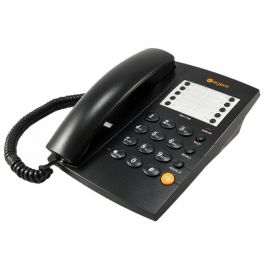
Agent 1000 Black Analogue Desktop Phone
IN STOCKCost effective and stylish basic analogue desk phone with hands free - perfect for businesses- Essential office functions: redial, hands free, headset port
- Simple black design
- Good sound and audio quality
- Cost-effective, simple solution for small to medium-sized businesses
£29.99£19.99 £23.99 Incl. VATRef: AG1000BUKCompare- IconBest Seller
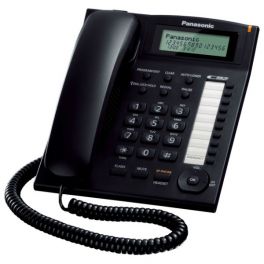
Panasonic KX-TS880 (Black)
Panasonic fixed phone with a display, handsfree and headset
- Hands-free
- 16 digit LCD display
- Headset jack (2.5mm Jack)
- Call indicator
IN STOCK4.4 of 29 Reviews£38.99 £46.79 Incl. VATRef: PA880ECompare - Onedirect Recommends
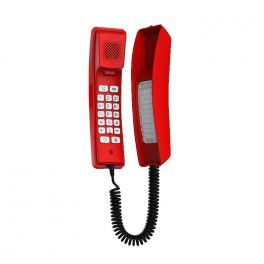
Fanvil H2U V2 Red
IP wall phone designed for hotels and public buildings.- Compact IP wall phone
- 2 SIP lines with POE power supply
- HD audio with G.722 broadband codec, Opus
- Wall-mounted for easy access
- 10 speed dial keys, 1 programmable DSS key
- Handsfree and three-way conferencing
- Colour: Red
IN STOCK5 of 1 Reviews£58.29£47.99 £57.59 Incl. VATRef: FANH2UREDCompare 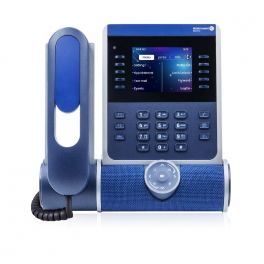
Alcatel-Lucent ALE-300
IN STOCKWired IP desk phone with touchscreen- for home or office use- 3.5" colour display with automatic brightness adjustment
- Intelligent touch keypad
- 3D audio transmission
- 25° to 60° adjustable base
- Illuminated busy light
- 2 USB-C 2.0 sockets (for keyboard, headset or dongle)
- PoE: Power over Ethernet cable
- RJ45 network cable not included
£208.99£189.99 £227.99 Incl. VATRef: ALALE300Compare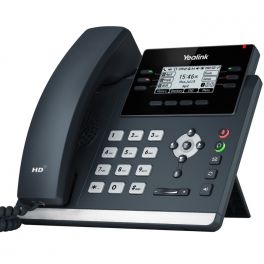
Yealink T42U
IN STOCKWired desktop phone with professional features for high-definition communications- Wired SIP desktop phone
- 2.4" (6 cm) LCD screen with black and white display
- User-friendly menu with icons and programmable keys
- HD audio quality: calls are crystal clear
- 3 modes of operation: handset, speakerphone or headset
- Acoustic display: noise reduction
- Feature-rich product
£91.99£69.99 £83.99 Incl. VATRef: YEALINKT42UCompare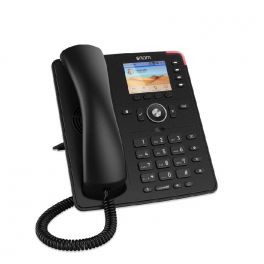
Snom D713
IN STOCKThe ideal item of equipment for communication, producing effective performance and reliability.- Large high-resolution colour screen
- 2 1 Gigabit Ethernet Ports
- HD audio
- 6 SIP accounts with up to 6 simultaneous calls
- TLS and SRTP security
£91.99£60.99 £73.19 Incl. VATRef: SMD713Compare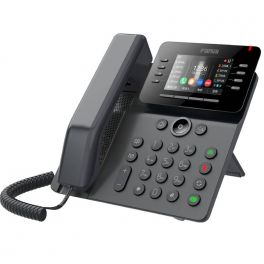
Fanvil V64
IN STOCKThe professional desk phone with Bluetooth connection, essential for smooth communications.- Professional SIP desk phone
- Mid-range model
- Supports 12 SIP lines
- 3.5" colour LCD screen
- Full-duplex audio transmission with noise reduction
- Connectivity: USB; RJ9; RJ45; Bluetooth 5.0 and Wi-Fi
- PoE powered
- Two desktop stand installation options
- Supports 6-way conferencing
£92.39£70.99 £85.19 Incl. VATRef: FANV64Compare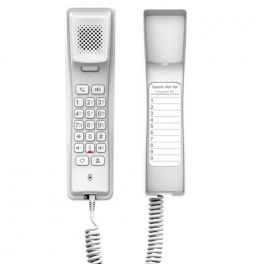
Fanvil H2U V2 White
IN STOCKUltra-compact wired SIP wall phone for hotels and public buildings.- Compact wall-mounted SIP phone
- 2 SIP lines with POE power supply
- HD speakerphone on handset or wall bracket
- Wall-mounted for easy access
- Enhanced sound quality with dedicated CODECS
- Colour: White
£53.89£43.99 £52.79 Incl. VATRef: FANH2UBCompare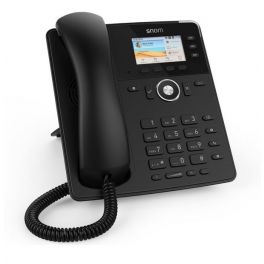
Snom D717
IN STOCKSnom D717, 6-way advanced IP phone- IP Phone
- 6 identities / SIP accounts
- Local directory with 1000 memorizable numbers.
- A high-resolution colour TFT screen
- Digital signal (DSP)
- Gigabit Ethernet switch with 2 ports
£123.74£86.99 £104.39 Incl. VATRef: SMD717Compare
Depaepe HD 2000 IP Emergency 2 Memory - Red
IN STOCKWall Mountable Emergency Phone with Two Preprogrammed Numbers - No Keypad- 2 configurable buttons, once pressed it will dial the programmed number
- SIP v2 (RFC 3261) protocol
- DHCP - PPPoE – Static IP
- Network Address Translation (NAT)
- DNS srv
- SNTP date and time synchronization
- 2 Ethernet ports Internet/PC (bridge/router)
- 2 LEDs flashing on incoming calls
- Message waiting lamp
- Hearing aid compatible
- PoE - IEEE 802.3af powered / optional power supply
- Dimensions: 73 x 235 x 75 mm
- Weight: 480 g
£199.99£133.99 £160.79 Incl. VATRef: DEHD2SIP2RCompare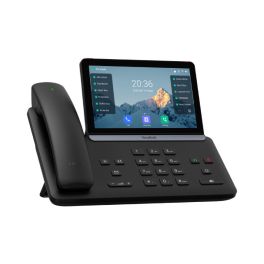
Yealink SIP-T88W Pro Android IP Phone
IN STOCKHigh-end IP phone with Android 13, 7’’ touchscreen, included BTH88 Bluetooth handset, dual-band Wi-Fi, 16 VoIP accounts, and professional HD audio.- Premium version: Bluetooth handset with up to 10 m range
- Android 13: modern platform with advanced security features
- Adjustable 7’’ touchscreen: fast navigation and increased productivity
- HD audio with Yealink Noise Proof technology
- Up to 16 VoIP accounts and 10-party audio conferencing
- Dual-band Wi-Fi, Bluetooth 5.0, and dual Gigabit ports with PoE: complete connectivity
£234.99 £281.99 Incl. VATRef: YEAT88WPCompare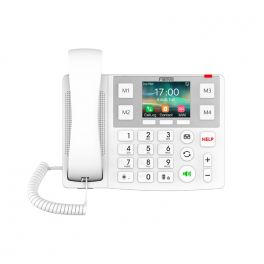
Fanvil X305
IN STOCKLarge-button IP phone with colour display and Wi-Fi ideal for nursing homes.- IP phone ideal for elderly people in care homes and hospitals
- 3.5‘’ colour display
- Braille dotted keys
- 4 customisable speed-dial keys with image
- Bluetooth 4.2 and Wi-Fi 2.4 GHz/5 GHz
- Hearing aid compatible
- Two Gigabit ports, integrated PoE
£117.69£80.99 £97.19 Incl. VATRef: FAX305Compare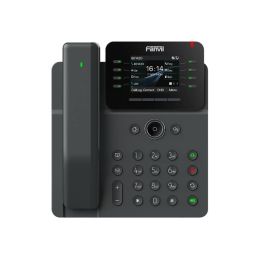
Fanvil V62 Pro SIP Phone
IN STOCKUpgrade your communication with the Fanvil V62 Pro IP Phone.- High Performance with 12 lines for seamless multitasking.
- Enhanced Productivity thanks to programmable keys for quick access.
- Stunning Display with a clear 2.8'' HD colour screen.
- Flexible Setup with desk or wall-mount options to fit your office.
- Conference Ready with support for 6-way audio conferencing.
£108.89£63.99 £76.79 Incl. VATRef: FANV62PROCompare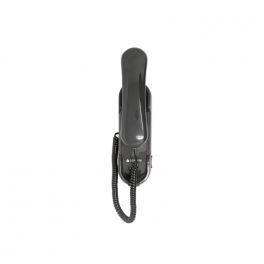
Depaepe HD 2000 IP Emergency 1 Memory - Black
IN STOCKWall Mountable Emergency Phone with One Preprogrammed Number - No Keypad- Automatically dials one programmed number
- SIP v2 (RFC 3261) protocol
- DHCP - PPPoE – Static IP
- Network Address Translation (NAT)
- DNS srv
- SNTP date and time synchronization
- 2 Ethernet ports Internet/PC (bridge/router)
- 2 LEDs flashing on incoming calls
- Message waiting lamp
- Hearing aid compatible
- PoE - IEEE 802.3af powered / optional power supply
- Dimensions: 73 x 235 x 75 mm
- Weight: 480 g
£199.99£124.99 £149.99 Incl. VATRef: DEHD2SIP1ACompare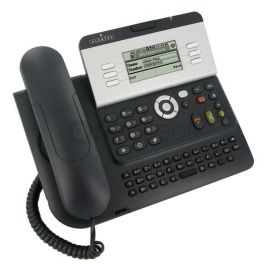
Alcatel 4028 EE IP Touch Desktop Phone Refurb
Refurbished Alcatel 4028 EE Touch Desktop phone, perfect for any office environment- Factory Refurbished Product
- IP connection
- Hands free
- 6 function keys
- 10 programmable keys
- Alphanumeric keyboard
- EE Version (Extended)
IN STOCK5 of 7 Reviews£84.99 £101.99 Incl. VATRef: AL4028ERCompare
The corded phone: analogue, digital, IP and SIP!
In today’s digital business world, corded phones remain an essential building block of professional communications infrastructure. This proven desk phone offers reliability and audio quality that are highly valued in business-critical environments. At Onedirect, you’ll find a comprehensive range of high-quality corded phones tailored to the needs of modern companies.
What is a corded phone?
A corded phone is a desk phone that connects via cable directly to a telephone socket, router or PBX, depending on the interface (analogue, ISDN, IP or SIP). Thanks to this fixed connection, it delivers particularly stable call quality and high reliability, making it ideal for professional use.
In companies, corded phones are most commonly used, devices designed specifically to operate with telephone systems. These phones are often based on IP or SIP technology, but are also available as digital variants. Analogue corded phones are still used in small offices or home offices, for example, connected directly to a router or an analogue PBX.
Why corded phones can be the best choice
Corded communication solutions offer key advantages over cordless alternatives:
- Continuous power supply: The cable connection ensures uninterrupted communication, even during power cuts.
- Crystal-clear audio: The direct wired link eliminates interference and signal loss.
- Durability: Whereas cordless devices can degrade due to battery wear, corded phones retain full functionality for years.
- No power limitations: The high-quality display of modern models remains easy to read, with brightness unaffected.
A technology mix for every need
Corded phones span several technologies that integrate seamlessly into existing infrastructures.
- Analogue telephone systems: Analogue telephony transmits voice as electrical impulses over copper lines. Each desk phone requires its own physical line to the exchange. This classic approach suits smaller businesses with basic requirements.
- IP technology: VoIP converts speech into digital data packets and transmits them over IP networks (internet/intranet). Communication runs over existing data connections.
- PBX/system telephone systems: A PBX is a central switching system managing internal and external calls. Modern PBX systems can be analogue, ISDN or IP-based and act as a “mini-exchange” within the company.
Which corded phone system for which need?
For small businesses (1–10 employees)
- Analogue: for minimal requirements and poor internet infrastructure
- VoIP: for modern features and low costs
- Cloud PBX: professional functions without high upfront investment
For medium-sized businesses (10–100 employees)
- IP PBX: best balance of functionality and control
- Hybrid systems: gradual migration from analogue to IP
- Cloud VoIP: rapid scaling and flexibility
For large enterprises (100+ employees)
- Enterprise IP PBX: maximum control and customisation
- Unified Communications: integration of all communication channels
- Redundant systems: resilience via multi-site deployment
Leading desk phone brands and their innovations
- Gigaset has established itself as a pioneer in high-quality communications devices, offering an impressive range of corded phone solutions. The latest models feature ergonomic design, intuitive operation and outstanding audio quality. Their backlit displays ensure optimum readability.
- Unify delivers another top tier of professional communications solutions. The Unify portfolio includes classic corded phones as well as specialised system phones for complex corporate environments, noted for seamless integration into modern IP networks and exceptional build quality.
- Other renowned manufacturers, Yealink, Snom and Alcatel, round out the offering with innovations such as HD audio, programmable keys and enhanced security features.
What to consider when buying a corded phone
Several factors play a central role when choosing the right corded phone.
- Display: should be easy to read and show key information such as caller ID, date and time. High-resolution colour displays on modern models add comfort with intuitive menus.
- Audio quality: is the heart of any desk phone. Premium phones offer noise suppression, echo cancellation and HD audio support for crystal-clear conversations, even in noisy offices.
- Ergonomic design: contributes significantly to user comfort. Well-shaped handsets, non-slip feet and thoughtfully placed controls reduce fatigue during intensive use. Materials should ensure durability and easy cleaning.
- Compatibility: ability to integrate different corded phones from various manufacturers into existing systems. Standardised protocols ensure high-quality endpoints work across brands, giving businesses flexibility for future expansion or system changes.
- Advanced features: Bluetooth connectivity, USB headset ports and programmable function keys turn modern corded phones into versatile communications hubs, boosting productivity and enabling personalised workflows.
Frequently asked questions (FAQ)
- What advantages do corded phones offer over cordless models?
Corded phones provide constant power with no battery issues, better audio through stable connections, higher reliability during power outages and no interference from other wireless devices. They’re also more durable and require less maintenance.
- Do modern desk phones work with any telephone system?
Modern SIP phones are broadly compatible with a variety of IP PBXs. Analogue models work with traditional analogue systems and ISDN lines. For specific systems, you should have compatibility checked in advance.
- What is an SIP phone and what are its benefits?
SIP (Session Initiation Protocol) enables Voice over IP communication over Ethernet connections. SIP phones offer advanced features such as HD audio, simple web-based configuration and integration into modern IT networks, while retaining the reliability of wired connections.
- What display features should a high-quality corded phone have?
A good display should be sufficiently large, high-contrast and readable in varying light. Colour screens provide intuitive navigation, while backlighting helps in darker environments. Caller ID and clear information layout are also important.
- Are Gigaset desk phones just for home users, or also for businesses?
Gigaset offers both consumer and professional business solutions. The business series includes robust, feature-rich models with programmable keys, HD audio and integration with corporate telephone systems.
- How important is audio quality in corded phones?
It’s crucial for professional communications. High-quality phones provide HD audio, noise suppression and echo cancellation, reducing misunderstandings, improving call efficiency and conveying professionalism to customers and partners.
- Can these desk phones be used with headsets?
Yes. Most modern corded phones include headset ports (3.5 mm jack or RJ sockets). Many models also support USB headsets or offer Bluetooth for wireless headsets.
- Is it worth switching from an analogue to an IP-based phone system?
Moving to IP telephony offers long-term benefits such as lower operating costs, advanced features, better scalability and integration with modern IT systems. Many Unify models and other manufacturers provide hybrid solutions for a gradual transition without a full system refresh.