
My Cart



Room reservation systems
Smart meeting room management and reservation
A meeting room reservation tablet enables real-time management of meeting room occupancy. Installed at room entrances, it helps modern organisations maximise space efficiency and reduce frustration caused by ghost bookings. Available as wall-mounted touch displays connected to calendars, it provides instant visibility and simplifies room booking and release.
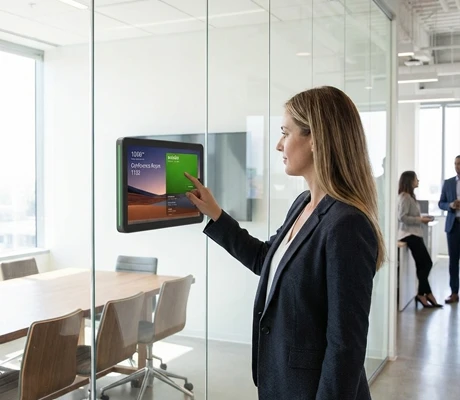
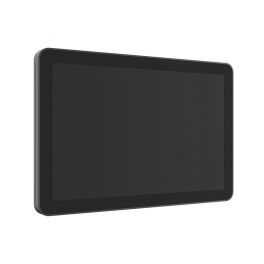
Logitech Tap Scheduler
IN STOCKA modern room reservation system- easily manage your meeting spaces- Meeting room booking tablet
- Large 10" LCD touch screen with colour display
- Oleophobic coating to reduce fingerprints
- LED backlight to improve readability
- LED lights to indicate room availability
- Power over Ethernet cable
- Ports and interfaces: Ethernet 10/100mbps, WiFi, Bluetooth 5.0
- Compatible with Microsoft Teams, Zooms, Meet and Robin rooms
£760.09£529.99 £635.99 Incl. VATRef: LOSCHEDULERCompare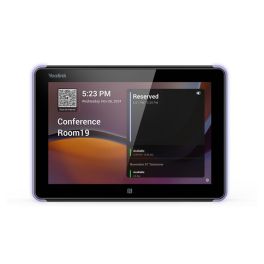
Yealink RoomPanel E2
IN STOCK8″ all-in-one Android 13 panel with LED status bar, touch control, and RFID/NFC for room scheduling.- 8″ multi-touch anti-fingerprint screen
- Full RGB LED status bar
- Android 13 OS
- Embedded NFC/RFID reader
- Wi-Fi & Bluetooth 5.0
- Ambient light & proximity sensors
- PoE or 12V power options
£523.99 £628.79 Incl. VATRef: YEAROOMPANELE2Compare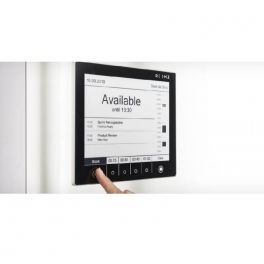
Roomz Display Silver Incl. software
IN STOCKWireless display to keep the availability of your meeting rooms organised and at hand at all times.- Check reservation status and details of upcoming meetings
- 7.8" Interactive touchscreen
- Easy to install on any kind of surface
- Compatible with Office 365, Exchange. IBM, Lotus, and Google Calendar
- Silver casing
£722.69£689.99 £827.99 Incl. VATRef: ROOMZDISBCompare
Yealink RoomPanel Plus E2
IN STOCKSmart room scheduling panel with instant status LEDs, sensor-ready auto updates, and easy mounting for modern offices.- 10.1-inch multi-point touch screen
- Full RGB LED bars show room status
- Android 13 for secure, smooth operation
- Built-in NFC/RFID for ID authorisation
- Wi-Fi, Bluetooth 5.0 and Ethernet connectivity
- PoE or 12V DC power options
- Ambient light and proximity sensors
- Remote device management via Yealink Cloud
£797.99£599.99 £719.99 Incl. VATRef: YEAPANELE2Compare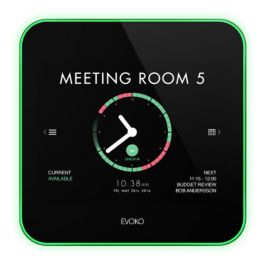
Evoko Liso
The next generation high-resolution bright screen and a very intuitive graphic interface room manager- Manage the planning of meeting rooms, sports centres and gyms, classrooms...
- It helps you find free rooms at the time and in advance
- Shows the occupation status of each room (green/red)
- Manage the reservation of rooms at the time and in advance
- Proximity and luminosity sensors.
- Touch Screen
- RJ-45 jack, USB 2.0, micro-USB and self-powered PoE
- Wi-Fi connection 802.11 a/b/g/n; RFID/NFC
IN STOCK5 of 1 Reviews£1,190.19£998.99 £1,198.79 Incl. VATRef: EVOLISOCompare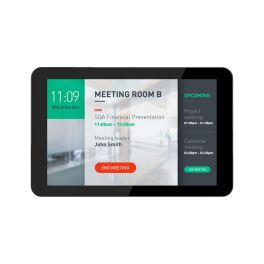
Philips 10BDL4551T Touch Tablet
Call us for availability10.1'' Android touch tablet for wall mounting – ideal for content management and device control in professional environments.- 10'' touchscreen with Android 7.1
- 5-point capacitive technology for smooth interaction
- Includes camera and speakers
- Power-over-Ethernet (PoE+)
- Internal memory for content storage and playback
- User-friendly interface for easy content creation and publishing
- Control and monitor your screen network via LAN connection
- Horizontal, vertical, or desktop mounting to suit your needs
£369.59£344.99 £413.99 Incl. VATRef: PHTAB10Compare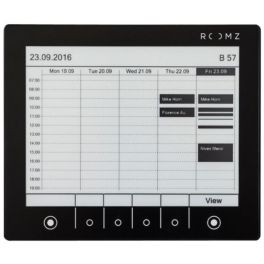
Roomz Black Display with software
Call us for availabilityWireless 7.8″ E-Paper room display with touch and Wi-Fi – ideal for managing meeting rooms.- Wireless and quick to install: Wi-Fi connectivity, no cabling required
- 7.8″ E-Paper display with high resolution (1,872 × 1,404 px) – glare-free and easy to read
- On-screen touch control – “Book” & “Release” directly from the display
- Multiple view modes – daily and weekly overview at a glance
- Sleek design: glass front, brushed aluminium frame, black finish
- Secure via NFC & TLS/HTTPS – protects booking data
- Long-life battery: 8,000 mAh, lasts up to 4 years under typical use
- Scalable & flexible: perfect for modern office spaces and hot-desking environments
£695.99£582.99 £699.59 Incl. VATRef: ROOMZRESERVCompare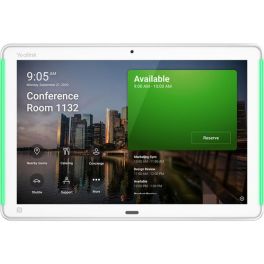
Yealink Room Booking Panel Plus
Call us for availabilityStreamline your meeting room experience with ease!- Clear Display – The 10.1-inch screen offers crisp visibility for meeting details.
- Smart Room Status – Enjoy at-a-glance availability notifications from afar.
- Flexible UC Compatibility – Connect with your preferred scheduling provider effortlessly.
- Effortless Installation – Mount easily on any surface with the included bracket.
- Integrated Audio – Built-in speaker and microphone for all-in-one functionality.
£479.99 £575.99 Incl. VATRef: YEALROOMPANELWHUKCompare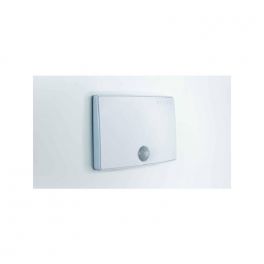
ROOMZ SENSOR Room
Call us for availabilityProvides worthwhile data concerning the effective use of meeting rooms and automatically releases rooms if no participants appear.- Simple Installation
- ROOMZ sensors sense the presence of the people in the room
- Automatically releases rooms if no one shows up (ghost meetings)
- Analyse the effectiveness of resource utilisation
- Up to 4-5 years of autonomous battery life
£139.00£138.99 £166.79 Incl. VATRef: ROOMZSENCompare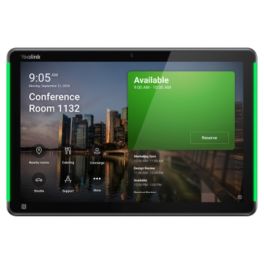
Yealink Room Booking Panel Plus (Black)
Call us for availabilityStreamline your meeting scheduling with ease!- 10.1-Inch Touchscreen for clear visibility of meeting details.
- Seamless Compatibility with various third-party UC providers.
- Easy Installation with flexible mounting options.
- Smart Room Status Updates when paired with a RoomSensor.
- Sleek Design that enhances any professional space.
£479.99 £575.99 Incl. VATRef: YEALROOMPANELBKUKCompare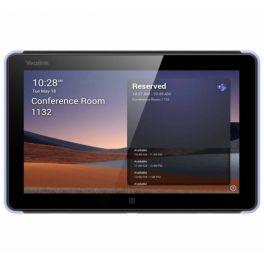
Yealink RoomPanel for Microsoft Teams
DiscontinuedTouch panel for meeting room management - optimised for Teams- 8-inch touch panel for room management
- 10 interactive points: easy to use
- With portrait or landscape orientation to choose from
- High visibility with HD resolution
- LED light to indicate room status
- Anti-fingerprint glass: always clean
- Connections: Bluetooth 5.0, Wi-Fi, RFID, NFC
- Works with PoE or DC adapter
Check similar productsRef: YEALINKROPANTCompare
Characteristics and Core Functions
Room reservation tablets provide an intuitive interface for intelligent meeting room management. Typically touch-enabled and integrated with calendar systems, they improve real-time visibility of room occupancy, automatically release unused rooms and continuously optimise room allocation based on actual organisational needs.
| Real-time display | Immediate visibility of occupancy status and upcoming scheduled bookings. |
| Touch interface | Intuitive use and instant booking without returning to a workstation. |
| Calendar integration | Automatic synchronisation with Outlook, Google Calendar and more. |
| Usage analytics | Data on occupancy rates, average meeting durations and usage patterns to optimise allocation. |
| Wall-mounted installation | Discreet displays with refined finishes enhancing modern workspaces. |
How to choose the right solution?
- OKNumber of rooms to equip: single-room deployment or full multi-room rollout.
- OKCalendar system used: native compatibility with Microsoft 365, Google Workspace or proprietary systems.
- OKRequired features: basic display or advanced options including occupancy sensors, check-in and detailed analytics.
- OKAvailable network infrastructure: Wi-Fi, Ethernet or PoE for power and connectivity.
- OKRequired security level: open access or authenticated booking aligned with IT policies and room sensitivity.
Applications across professional environments
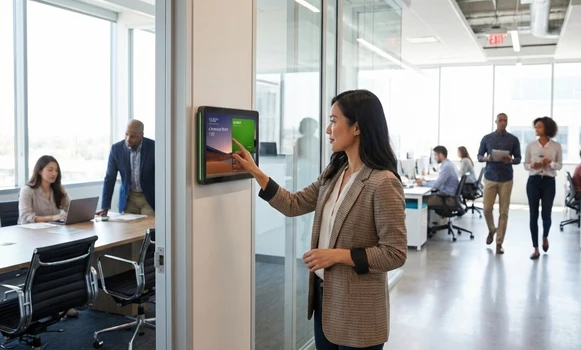
Room reservation tablets are used in companies to simplify the search for available spaces and reduce ghost meetings. In coworking spaces, they support flexible management of shared rooms. For organisations adopting hybrid return-to-office policies, they help manage capacity and enforce occupancy limits for compliance and operational efficiency.
Why partner with Onedirect?
Onedirect offers professional meeting room reservation tablets from leading brands such as Crestron, Evoko and Logitech. As an official reseller, we ensure fast and secure delivery and provide dedicated after-sales support when needed. Our team guides you through integration with your IT infrastructure, ensuring an optimal deployment and measurable return on investment.
FAQ – Frequently asked questions
How do room reservation tablets synchronise with corporate calendars?
Through secure API connections with Microsoft 365, Google Workspace or Exchange servers, ensuring continuous real-time bidirectional synchronisation of bookings and availability.
What happens if someone does not show up for their reservation?
Advanced systems with occupancy sensors detect non-use after a configurable delay (typically 5–15 minutes) and automatically release the room so it becomes available to other users.
Do room reservation tablets require complex electrical installation?
Some models support Power over Ethernet (PoE), simplifying installation with a single cable. Others require standard power supplies or operate on rechargeable batteries.
Can rooms be booked anonymously or is authentication required?
This depends on your organisational policies. Open booking prioritises ease of use, while authentication enables traceability and permission management by user profile.
Is usage data available for optimisation?
Yes. Platforms provide detailed analytics dashboards including occupancy rates, average meeting durations and peak usage periods.