My Cart



Licensed Two-Way Radios
Greater Range, Enhanced Control, Improved Safety
Licensed two-way radios are the right choice when your business radio setup needs more power, predictable range and clearly structured communication. Licensed walkie-talkies can be programmed to your requirements, support groups, and individual calls and, depending on the system, offer options for more secure communication. Whether you need UHF for buildings, VHF for open areas or digital radio, they provide a robust solution for professional teams.

- IconBest Seller
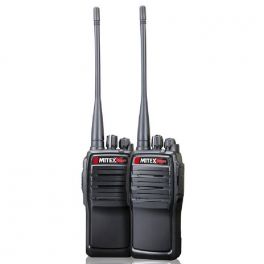
Mitex General Xtreme Licensed Radio Twin Pack
Professional IP66 handheld UHF analogue two-way radios- Portable analogue UHF radio
- Powerful 5 Watt IP66 Rated walkie talkies (10 x more powerful than PMR446)
- Professional licensed communication: additional security
- IP66 rating: Water, dust & vibration resistant
- 1500mah Li-ion high capacity battery pack
- Compatible with a large range of accessories
IN STOCK4.8 of 4 Reviews£166.65 £199.98 Incl. VATRef: MITGENXCompare - IconBest Seller
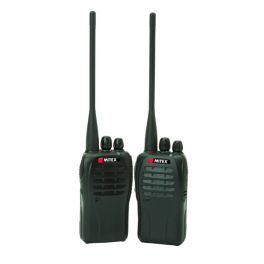
Mitex General Licensed UHF Radio- Twin Pack
Long-range professional handheld two-way UHF radio- Powerful 5-watt two-way radio
- Pre-programmed: straight from the box use
- PMR449 communications
- Up to 10 times more range than PMR446 radios
- City range (built-up areas): up to 10km
- Countryside range: up to 25km
- 1300mAh lithium battery
IN STOCK5 of 5 Reviews£154.15£147.99 £177.59 Incl. VATRef: MITGENTUKCompare 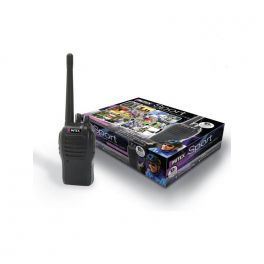
Mitex Sports VHF licensed handheld radio
IN STOCKRobust 5 watt VHF handheld two way radio- for use in sports and outdoor environments- Compact and robust design
- Sold as a single unit
- 5 watt VHF walkie-talkie
- Up to 25km* range in optimum conditions
- Pre-programmed and ready to use
- Ideal for sports and leisure industries
- Licence required for full use
- 16 pre-programmed channels
£83.32£82.99 £99.59 Incl. VATRef: MITSPORTSUKCompare- Onedirect Recommends
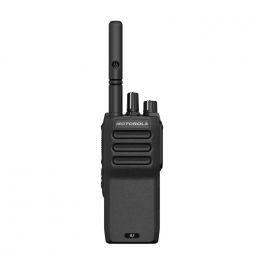
Motorola R2 UHF Analogue
Walkie talkie of the highest standard, combining durability and ergonomics for safe and easy use.- UHF Walkie Talkie
- Rugged - MIL-STD 810 military standard
- IP55 (dust and water protection)
- 2 programmable buttons
- Dual priority scan
- 64 channels
IN STOCK5 of 1 Reviews£271.00£237.59 £285.11 Incl. VATRef: MOR2UHFCompare 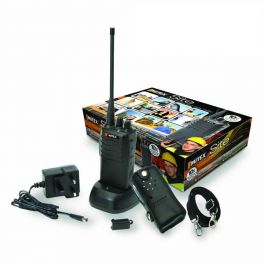
Mitex Site UHF Two-Way Radio
IN STOCKLicensed 5 Watt Two-Way Radio- ideal for the construction industry- 5 Watt handheld UHF radio
- Up to 25km* range (in optimum conditions)
- Requires UK license - license application forms included
- Pre-programmed: ready to use straight from the box
- Durable: water-resistant
- 16 pre-programmed channels
- VOX function (with accessory)
- Low battery alert & battery saver mode
£99.98£93.99 £112.79 Incl. VATRef: MITSITEUKCompare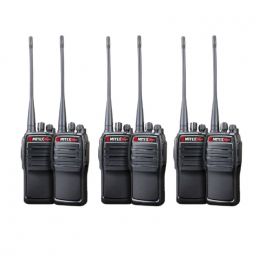
Mitex General Xtreme Six Pack
Handheld UHF analogue two-way radios designed for professional applications- Powerful 5-watt two-way radio for enhanced performance.
- Pre-programmed for immediate use right out of the box.
- PMR449 communications for reliable connectivity.
- Features an impressive 10 times the range of PMR446 radios.
- City range (built-up areas) extends up to 10km.
- Enjoy an impressive countryside range of up to 25km.
- Equipped with a durable 1300mAh lithium battery for long-lasting power.
IN STOCK4.8 of 4 Reviews£499.95£484.95 £581.94 Incl. VATRef: MITGENXSCompare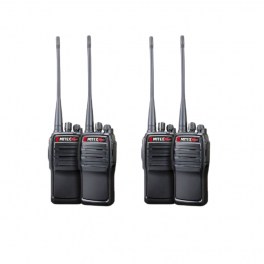
Mitex General Xtreme Quad Pack
High-performance IP66-rated handheld UHF analogue two-way radios for professional use.- High-powered 5-watt two-way radio
- Pre-programmed for instant out-of-the-box use
- Utilizes PMR449 communications
- Boasts up to 10 times the range of PMR446 radios
- City range (built-up areas): extends up to 10km
- Countryside range: reaches an impressive 25km
- Equipped with a long-lasting 1300mAh lithium battery
IN STOCK4.8 of 4 Reviews£333.30£326.63 £391.96 Incl. VATRef: MITGENXQCompare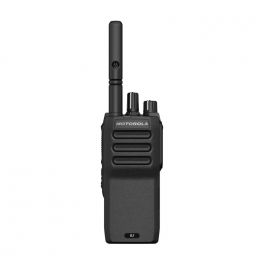
Motorola R2 UHF Digital
IN STOCKWalkie talkie of the highest standard, combining durability and ergonomics for safe and easy use.- UHF Walkie Talkie
- Rugged - MIL-STD 810 military standard
- IP55 (dust and water protection)
- 2 programmable buttons
- Dual priority scan
- 64 channels
£347.00£304.79 £365.75 Incl. VATRef: MOR2DUHFCompare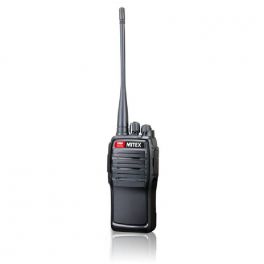
Mitex General DMR UHF - Single
IN STOCKHeavy-duty two-way DMR digital/analogue radio ideal for every professional.- Fully functional in both digital/analogue modes
- Compact and heavy-duty two-way radio
- Number of channels: 16 (digital) + 16 (analogue)
- Use in motorsports, industry, schools, shops etc.
- Scan function
- Compatible with existing Mitex models: Mitex General, Gen X and Pro Up
- Range: 10km (city use); 25km (country use)
- Six-way charger available
£137.49£121.99 £146.39 Incl. VATRef: MITGENDMRUKCompare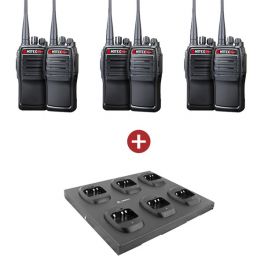
Mitex General Xtreme Six Pack with 6 Way Charger
Powerful IP66 rated heavy duty two-way radios with 6-way charger- Powerful IP66 rated walkie talkies
- Works with existing General, Pro and DMR models
- 1500mAh Li-on high capacity battery
- Water, dust and vibration resistant
- This pack also features 6 way charger
IN STOCK4.8 of 4 Reviews£666.61£637.23 £764.68 Incl. VATRef: MITGENX6PCHUKCompare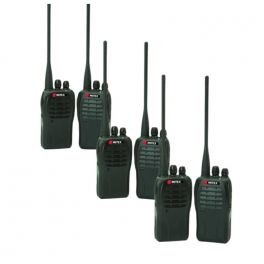
Mitex General Six Pack
Handheld UHF two-way radio designed for extended-range professional use- Powerful 5-watt two-way radio with 1300mAh lithium battery
- Ready for immediate use, pre-programmed out of the box
- Designed for PMR449 communications
- Up to 10 times more range than PMR446 radios
- Urban coverage extends up to 10km
- Rural coverage stretches up to 25km
IN STOCK5.0 of 5 Reviews£462.45£430.65 £516.78 Incl. VATRef: MITGENTSUKCompare
Mitex General Quad Pack
Long-range professional handheld two-way UHF radio
- High-powered 5-watt dual-way radio
- Ready for immediate use, pre-programmed out of the box
- Designed for PMR449 communications
- Up to 10 times more range than PMR446 radios
- Urban coverage extends up to 10km
- Rural coverage stretches up to 25km
- Fueled by a 1300mAh lithium battery
IN STOCK5.0 of 5 Reviews£308.30£290.06 £348.07 Incl. VATRef: MITGENTQUKCompare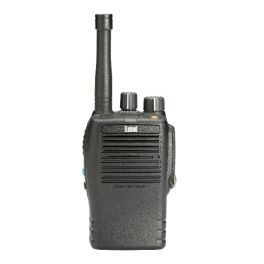
Entel DX482 - UHF
IN STOCKIP68 standard, waterproof and submersible two-way radio with UHF license, without screen or keyboard- Professional licensed two-way radio
- UHF, frequencies 400-470 MHz
- Standard IP68 and MIL-STD 810 C/D/E/F/G
- Submersible up to a depth of 2 m
- Channels / zones: 16 channels and 2 programmable zones
- Output power: 5W
- Mixed mode: you can receive digital and analog DMR
- Individual calls, group calls and caller ID
£215.00£206.39 £247.67 Incl. VATRef: ENTDX482Compare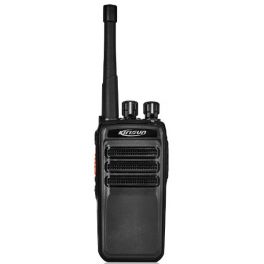
Kirisun DP405 UHF
IN STOCKCost-effective UHF portable radio, with DMO 2-slot and dual-mode compatibility- 5W high power loudspeaker
- Advanced digital voice encoding
- Dual-mode compatibility: Analog and Digital
- User-defined voice annunciation
- DMO 2-slot for increased call capacity
- ARC 40-bit encryption
- Extended battery life
£199.99£119.99 £143.99 Incl. VATRef: KIRIDP405UCompare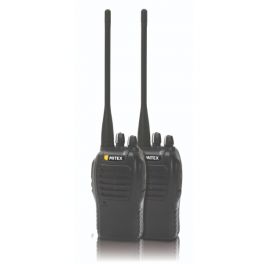
Mitex Link UHF - Twin pack
IN STOCKHigh Power 5W UHF PMR two-way radio twin pack- 5W IP rated twin pack
- Water, dust and vibration resistant
- Professional and robust design
- New quieter channels 1 - 8
- Ideal for busy locations with high radio usage
- Open country use: up to 25km
£158.32£149.99 £179.99 Incl. VATRef: MITLINKUKCompare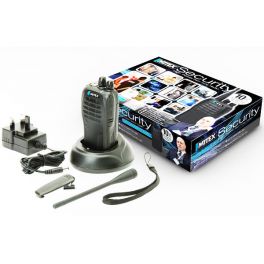
Mitex Security UHF
IN STOCKPowerful 5 Watt Two-Way Radio designed for the security industry- 5 Watt handheld radio
- Up to 10km city range
- Up to 25km country range
- Pre-programmed and ready to use out of the box
- Scan function
- Time out Timer
- VOX (with accessory)
£79.15£75.99 £91.19 Incl. VATRef: MITSECUKCompare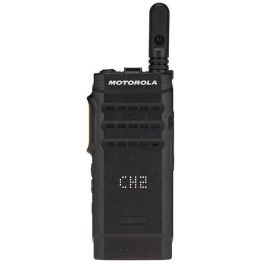
Motorola SL1600 UHF
IN STOCKAn ultra-slim and rugged two-way radio by Motorola. Comes with an LED display and MicroUSB connectivity.- UHF walkie talkie with analogue / digital license
- 99 Channels
- Rated IP54
- 22mm thick ultra-thin design
- Active View screen with LED lighting
- Micro USB connectivity: fast charging and easy programming
£416.00£364.79 £437.75 Incl. VATRef: MOSL1600USBCompare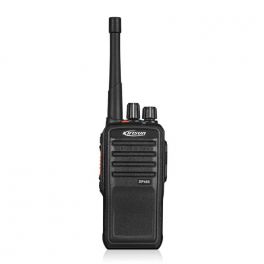
Kirisun DP485 - UHF
IN STOCKDP485 is a DMR portable radio. A compact radio with roaming capability and increased call capacity with DMO 2-slot operation. GPS location is optional.- 400-470Mhz VHF
- 4 Watt UHF
- 256 Channels in 16 Zones of 16 Channels
- 2000mAh Lithium Ion Battery
- Analogue and Digital Modes
- Voice Annunciation
- Direct Mode 2 Slot Capability
- ARC 40-bit Encryption
- Emergency Call Button
- Lone Worker
- Man Down
- Stun / Kill / Revive
- Remote Monitor
- Site Connect Roaming through Repeater
- Pseudo Trunk capable
- Dimensions: 132mm x 61.5mm x 36.5mm
- Weight 290g
- IP54
£210.00£139.99 £167.99 Incl. VATRef: KIRIDP485UCompare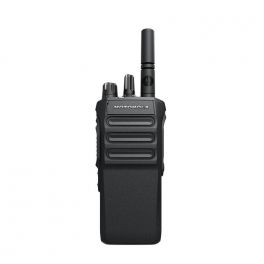
Motorola R7 Non-Keypad Premium UHF
IN STOCKMotorola R7 is a digital portable two-way radio that offers loud, clear, and customisable audio in a rugged, dependable, and connected device.- Analogue and Digital Hybrid
- IP68 & MIL-STD 810 Rating
- 64 Channels
- Up to 21.5h Battery Life
- x4 Programmable buttons
- Remote Monitor
- Lone worker & Emergency Button
- Bluetooth 5.2
- WiFi
- GNSS & More
£780.00£685.19 £822.23 Incl. VATRef: MOR7PNPUHFCompare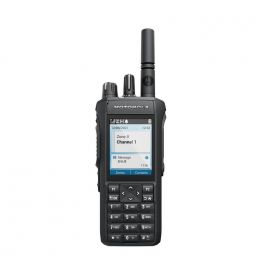
Motorola R7 Full-Keypad Capable UHF
IN STOCKMotorola R7 is a digital portable two-way radio that offers loud, clear, and customisable audio in a rugged, dependable, and connected device.- Analogue and Digital Hybrid
- Full Colour Screen
- IP68 & MIL-STD 810 Rating
- 1000 Channels
- Up to 21.5h Battery Life
- x4 Programmable buttons
- Remote Monitor
- Lone worker & Emergency Button
- Upgradeable to include: Bluetooth 5.2, WiFi, GNSS & More
£840.00£737.99 £885.59 Incl. VATRef: MOR7FPUHFCompare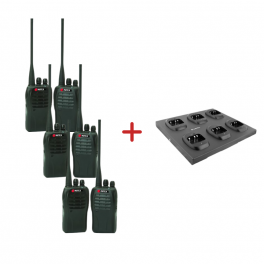
Mitex General Six Pack + 6-Way Charger
Long-range professional two-way UHF radio with 6-way charger- Powerful 5-watt two-way radio with 1300mAh lithium battery
- Pre-programmed: straight from the box use
- PMR449 communications
- Up to 10 times more range than PMR446 radios
- City range (built-up areas): up to 10km
- Countryside range: up to 25km
- This pack also features 6 way charger
IN STOCK5.0 of 5 Reviews£629.11£582.93 £699.52 Incl. VATRef: MITGENT6PCHUKCompare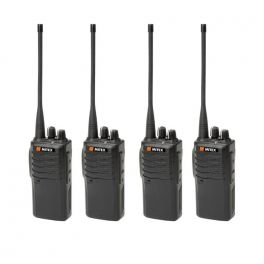
Mitex Site Quad Pack
IN STOCK5 Watt Licensed Two-Way Radio tailored for the construction sector and ready for optimal performance.- 5 Watt handheld UHF radio
- Achieves up to a 25km* range (in optimum conditions)
- Mandatory UK license required - license application forms included
- Comes pre-programmed: ready for immediate use out of the box
- Boasts durability with water-resistant features
- Equipped with 16 pre-programmed channels
- Features VOX function (with accessory)
- Includes a low battery alert and battery saver mode
£399.92£368.44 £442.13 Incl. VATRef: MITSITEQUKCompare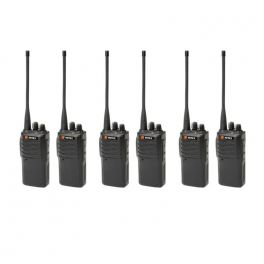
Mitex Site Six Pack
IN STOCK5 Watt Licensed Two-Way Radio ideal designed for the demands of the construction industry- 5 Watt handheld UHF radio
- Effective range of up to 25km* (in optimum conditions)
- UK license required - application forms provided
- Pre-programmed for instant use right out of the box
- Built for durability with water-resistant design
- Includes 16 pre-programmed channels
- Incorporates VOX function (with accessory)
- Alerts for low battery and offers a battery saver mode
£599.88£547.02 £656.43 Incl. VATRef: MITSITESUKCompare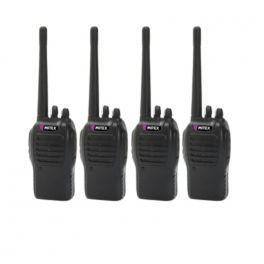
Mitex Sports Quad Pack
IN STOCKDurable 5W VHF handheld radio crafted for sports and outdoor use.- Compact and robustly designed
- Sold individually
- 5W VHF walkie-talkie
- Effective range of up to 25km* in optimal conditions
- Pre-programmed and ready to use
- Tailored for sports and leisure industries
- License necessary for full utilization
- 16 pre-programmed channels
£333.28£325.32 £390.38 Incl. VATRef: MITSPORTSQUKCompare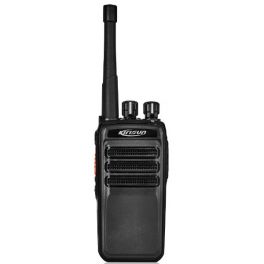
Kirisun DP405 VHF
IN STOCKCost-effective VHF portable radio, with DMO 2-slot and dual-mode compatibility .- 5W high power loudspeaker
- Advanced digital voice encoding
- Dual-mode compatibility: Analog and Digital
- User-defined voice annunciation
- DMO 2-slot for increased call capacity
- ARC 40-bit encryption
- Extended battery life
£199.99£119.99 £143.99 Incl. VATRef: KIRIDP405VCompare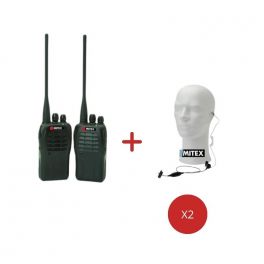
Mitex General Twin Pack + 1-Wire Earpiece
A set of UHF handheld radios with a 1-Wire earpiece and inline PTT- Powerful 5-watt two-way radio delivering high performance
- Ready for immediate use, straight out of the box with pre-programming
- Tailored for PMR449 communications
- Provides up to 10 times the range when compared to PMR446 radios
- City range (in built-up areas): extends up to 10km
- Countryside range: reaches up to 25km
- Features a 1300mAh lithium battery for reliable and sustained power
- Enhanced convenience with the inclusion of a 1-wire earpiece
IN STOCK5.0 of 5 Reviews£209.13£192.03 £230.44 Incl. VATRef: MITGENTWPTTUKCompare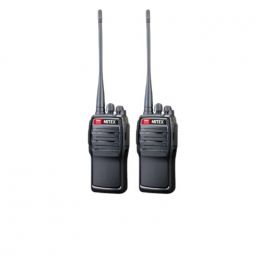
Mitex General DMR UHF Twin Pack
IN STOCKDurable two-way DMR radio Twin Pack Designed for Professionals in Need of Robust Communication Tools- Compact dual-mode radio device operational in both digital and analogue modes
- Channel count: 16 digital + 16 analogue
- Scanning capability
- Coverage: 10km urban use; 25km rural use
- Applicable in motorsports, industrial settings, educational institutions, retail establishments, and more
- Interoperable with current Mitex editions: Mitex General, Gen X, and Pro Up
£274.98£241.54 £289.85 Incl. VATRef: MITGENDMRDUKCompare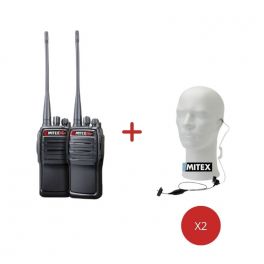
Mitex General Xtreme Twin Pack + 1-Wire Acoustic Earpiece
Professional and heavy-duty IP66 two-way radio twin pack and 2 x 1-wire acoustic earpieces- Powerful 5W IP66 rated walkie talkies (10 x more powerful than PMR446)
- Professional, compact and heavy-duty
- Water, dust and vibration resistant
- GeneralX talks to existing Mitel General, Pro and DMR
- 1500mAh Li-ion high capacity battery
- Discreet 1-wire acoustic tube earpiece
- Comes with inline lapel mic and PTT button
- Compatible with all Mitex two-way radios
IN STOCK4.8 of 4 Reviews£221.63£210.50 £252.60 Incl. VATRef: MITGENXWPTTCompare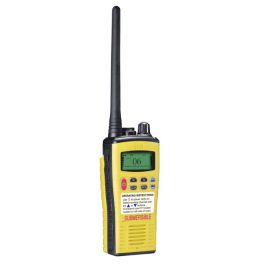
Entel HT649 GMDSS (Package 2) Marine Radio
IN STOCKGMDSS handheld marine radio with backlit LCD display. Pack two - comes with primary and emergency battery and charger- 1-watt MED certified GMDSS radio
- Comes with primary and secondary battery and charger
- Complies with IMO regulations
- IP68 - submersible to 5m for 1 hour
- 19 international simplex channels (INT/US/CAN)
- 7-button keypad and backlit LCD display
- Frequency range: 156 - 163.275MHz
£556.00£533.99 £640.79 Incl. VATRef: ENHT649P2UKCompare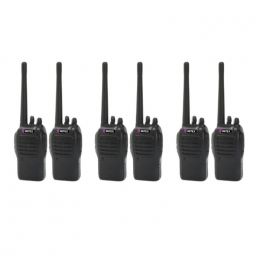
Mitex Sports Six Pack
IN STOCKReliable outdoor communication with 5W VHF handheld radio, designed for robust performance.- Compact and robust design
- Available as a single unit
- 5W VHF walkie-talkie
- Covers an optimal range of up to 25km*
- Pre-programmed and ready for immediate use
- Well-suited for sports and leisure industries
- Licensing required for full operation
- 16 pre-programmed channels
£499.92£483.00 £579.60 Incl. VATRef: MITSPORTSSUKCompare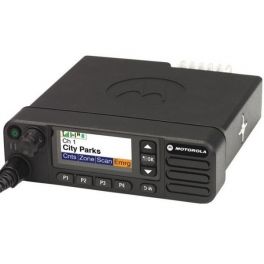
Motorola DM4600E VHF (45W)
IN STOCKMotorola Two-way mobile radio with 1000 channels- Two-way mobile radio
- Bluetooth
- GPS
- Colour screen with day / night mode
- 3 W speaker
- IP54 rating
£660.00£494.99 £593.99 Incl. VATRef: MODM4600EVHFUKCompare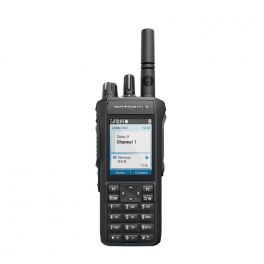
Motorola R7 Full-Keypad Premium UHF
IN STOCKMotorola R7 is a digital portable two-way radio that offers loud, clear, and customisable audio in a rugged, dependable, and connected device.- Analogue and Digital Hybrid
- Full Colour Screen
- IP68 & MIL-STD 810 Rating
- 1000 Channels
- Up to 21.5h Battery Life
- x4 Programmable buttons
- Remote Monitor
- Lone worker & Emergency Button
- Bluetooth 5.2
- WiFi
- GNSS & More
£925.00£812.39 £974.87 Incl. VATRef: MOR7PFPUHFCompare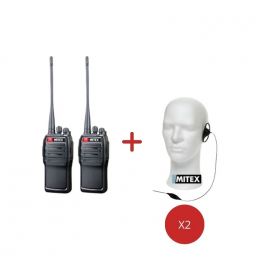
Mitex General DMR UHF Twin Pack + D-Shape Earpieces
IN STOCKDurable two-way DMR radio Twin Pack, designed for robust communication, including essential earpieces.- Versatile dual-mode radio device supporting both digital and analogue modes
- 16 digital + 16 analogue channels for diverse communication needs
- Enhanced scanning capability for efficient monitoring
- Extended coverage: 10km urban use; 25km rural use
- Suited for motorsports, industrial settings, educational institutions, retail establishments, and more
- Seamless interoperability with Mitex General, Gen X, and Pro Up editions
- Comes with a pair of specialized earpieces for optimal communication.
£323.36£279.14 £334.97 Incl. VATRef: MITGENDMRDDSHUKCompare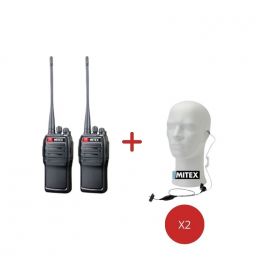
Mitex General DMR UHF Twin Pack + 1-Wire Earpieces
IN STOCKTwin Pack of durable two-way DMR radios, tailor-made for professionals and equipped with essential earpieces.- Efficient dual-mode radio device operational in digital and analogue modes
- Robust channel count: 16 digital + 16 analogue
- Advanced scanning capability for effective monitoring
- Extended coverage: 10km urban use; 25km rural use
- Versatile application in motorsports, industrial settings, educational institutions, retail establishments, and more
- Interoperable with Mitex General, Gen X, and Pro Up editions for seamless integration
- Package includes a pair of tailored earpieces for enhanced communication.
£329.96£287.06 £344.47 Incl. VATRef: MITGENDMRDWPTTUKCompare
Mitex Sports Twin Pack
IN STOCK5W VHF handheld radio designed for robust performance in sports and outdoor environments.- Compact and robust design
- Available as a single unit
- 5-watt VHF walkie-talkie
- Covers up to 25km* range in optimum conditions
- Pre-programmed and ready for immediate use
- Ideal for sports and leisure industries
- Full usage requires a license
- 16 pre-programmed channels
£166.64£164.32 £197.18 Incl. VATRef: MITSPORTSDUKCompare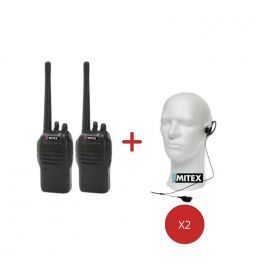
Mitex Sports Twin Pack + G-Shape Earpieces
IN STOCKRobust 5W VHF handheld radio pack for sports and outdoor use- Compact and robust design
- 5-watt VHF walkie-talkie
- Covers up to 25km* range in optimum conditions
- Pre-programmed and ready for immediate use
- Ideal for sports and leisure industries
- Full usage requires a license
- 16 pre-programmed channels
- Includes earpieces for enhanced communication
£208.42£197.96 £237.55 Incl. VATRef: MITSPORTSDGSHUKCompare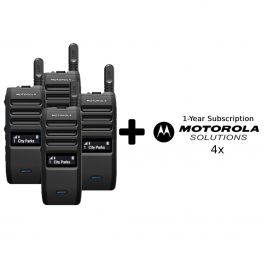
Motorola Wave TLK110 with Charger Quad Pack + 1 Year Subscription
IN STOCK2-way licensed radios with subscriptions- TLK110 radio combines Motorola Solutions WAVE PTX network coverage with two-way radio ease
- Keep teams connected with crisp audio, location tracking, and rugged design
- Efficiency features: single-button push-to-talk, LCD display, long battery life
- Deploy Europe-wide push-to-talk for wide area coverage or quick communication setup
- Compatible with existing two-way radio systems and smartphones
- Sim cards and 1 year subscriptions included
£1,936.00£1,897.24 £2,276.69 Incl. VATRef: MOTWAVE110QUAD1YSUKCompare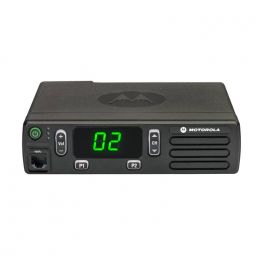
Motorola DM1400 Digital
IN STOCKOffers all the benefits of the latest technology – from superior audio quality to greater coverage- Available in VHF and UHF
- 16 channels
- IP54
- 2-digit numerical display
- 4 watt built-in loudspeaker
- Emergency button
- Group calls
- Scan function
- VOX Capability
- Lone Worker
- Voice announcement
£365.00£273.99 £328.79 Incl. VATRef: MODM1400DIUKCompare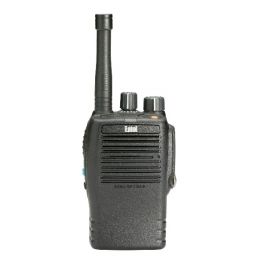
Entel DX422 - VHF
IN STOCKWalkie-talkie with IP68 rating and VHF license- Professional walkie-talkie with license
- VHF, frequencies 136-174Mhz
- IP68 Rating
- MIL-STD 810 C / D / E / F / G
- Submersible up to 2m deep for 4 hours
- 16 channels / 2 programmable zones
- Output power 5W
- Mixed mode: Receive Digital and Analof DMR modes
£215.00£206.39 £247.67 Incl. VATRef: ENTDX422UKCompare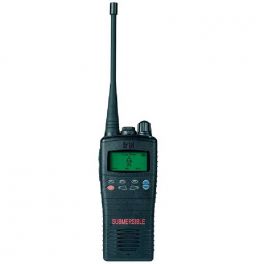
Entel HT725 VHF Two Way Radio
IN STOCKEntel HT725 series Advanced Signalling Licensed VHF Submersible Two Way Radio with display, 255 channels and navigation keypad.- Submersible
- Programming costs are not included in the price of this radio
- VHF 136 - 174MHz frequency band
- Also available as VHF mid band and UHF
- 255 channels
- LCD display
- 400 user contact list
- Receiving signal strength indicator
- High quality audio
- Exceeds MIL Standard 810 C/D/E/F
£352.00£281.99 £338.39 Incl. VATRef: ENTHT725AUKCompare
Key features and main functions
Licenced two-way radios are designed for situations where basic radio communication is not enough. They operate on assigned frequencies, with higher transmission power and a clean channel structure, helping to deliver less interference, clearer workflows and radio coverage that can be planned properly. This is particularly valuable when many employees need to communicate at the same time, when several sites need to be connected or when sensitive information cannot be shared openly.
| Programmable frequency bands (UHF/VHF) | You define channels and radio plans to match your teams, with UHF typically better for buildings and VHF more suitable for wide open areas. |
| Higher transmission power (for example 1–5 watts, depending on licence) | More range and more stable connections, especially in demanding conditions. |
| Removable antenna | Flexible for different working environments and carrying methods, including vehicle use and specific mounting needs. |
| Individual frequency allocation | Less outside traffic, fewer unwanted listeners and clearer separation between departments, shifts or sites. |
| Repeater support | Coverage can be extended significantly across large industrial sites or multiple buildings. |
| Analogue or digital operation (DMR/dPMR) | Analogue is straightforward, while digital radio offers better audio, clearer call structures and more control options. |
How to choose the right product?
- OK Choose UHF or VHF: UHF is usually better in buildings and urban environments, while VHF often performs better in open spaces.
- OK Clarify licensing and frequency planning: decide which channels you need, how many users will transmit at once and whether any sites require a repeater.
- OK Analogue or digital radio: if you need structured call types, better scalability and clearer team separation, digital radio is worth considering.
- OK Define the required security level: do you need more secure communication, emergency functions or clear priority rules for critical messages?
- OK Check day-to-day ergonomics: PTT button, volume, glove-friendly controls, battery setup and accessory connectors all matter.
- OK Consider specialist cases: marine radio follows its own requirements, and amateur radio devices operate under a different legal framework from standard business radio.
- OK Plan accessories and expansion: headsets, speaker microphones or vehicle mounts can make daily use much easier.
Professional use cases
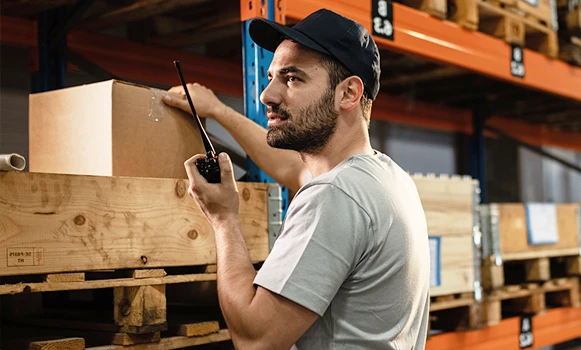
Licenced walkie talkies are most effective where operations are tightly managed and communication must remain reliable at all times. In industry and manufacturing, teams in maintenance, security and logistics can coordinate through separate group channels without blocking one another. On construction sites and infrastructure projects, the greater range supports communication across different zones, even when teams change or the site is complex. In logistics centres and transport operations, the priority is predictability: clear channels, defined call groups and stable connections for many users. Security services benefit from structured communication and, depending on the system, better protection for sensitive information.
Why Onedirect as your partner?
With licensed two way radios, the device alone is not enough. What matters is the full setup, including frequency logic, user structure and accessories. Onedirect helps businesses choose a solution that works in practice, from UHF and VHF to digital radio systems and suitable device profiles. You benefit from tailored advice, fast and secure delivery and consistent stock availability. We can also provide radio programming so that channel plans, call groups and device settings match your teams properly. With official accessories and dedicated after-sales support, your radio solution remains dependable over the long term.
FAQ – Frequently asked questions
What are licenced two-way radios?
Licenced two-way radios operate on specific radio frequencies assigned through an official authorisation process. They are commonly used for business radio and provide especially stable, low-interference communication.
Why do some radios require a licence?
Certain frequencies are regulated to avoid interference and protect professional communication networks. Businesses are assigned frequencies so that their licensed two-way radios can be used with greater exclusivity and reliability. This is why understanding walkie-talkie licence requirements is important.
What are the advantages of licensed radios?
Licensed walkie talkies usually offer greater range, more stable connections and more advanced features than licence-free models. They are particularly suitable for industry, construction, security services or large business sites where many users need to communicate at the same time.
How do you obtain a business radio licence?
A business radio licence is typically obtained through the relevant national authority. In the UK, two-way radio licence UK requirements apply when using business radio frequencies. Many suppliers also support businesses with frequency planning and programming so that the radios are ready for immediate use.
Related resources
Different radio frequencies explained Icon UHF vs VHF explained Icon