
My Cart



UHF Two-Way Radios
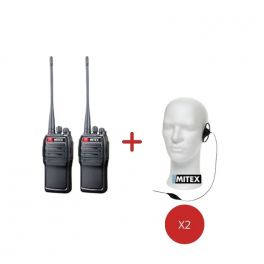
Mitex General DMR UHF Twin Pack + D-Shape Earpieces
IN STOCKDurable two-way DMR radio Twin Pack, designed for robust communication, including essential earpieces.£323.36£271.56 £325.87 Incl. VATRef: MITGENDMRDDSHUKCompare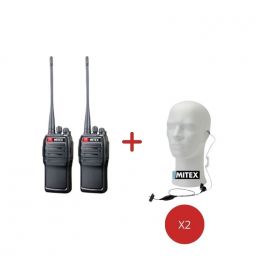
Mitex General DMR UHF Twin Pack + 1-Wire Earpieces
IN STOCKTwin Pack of durable two-way DMR radios, tailor-made for professionals and equipped with essential earpieces.£329.96£277.38 £332.86 Incl. VATRef: MITGENDMRDWPTTUKCompare
Motorola DP3441e UHF
IN STOCKUHF walkie-talkie licensed, professional, analogue and digital, with GPS and Bluetooth£606.00£531.59 £637.91 Incl. VATRef: MODP3441EUHFCompare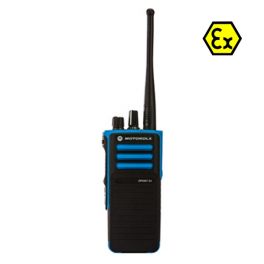
Motorola DP4401Ex - VHF ATEX
IN STOCKProfessional walkie talkie, VHF band, ATEX certified. Great audio quality and comfortable analog-digital transition£1,147.00£1,006.79 £1,208.15 Incl. VATRef: MODP4401VATEXCompare
Entel HT722 Licensed VHF Two Way Radio
IN STOCKEntel HT722 Entry Licensed VHF Two Way Radio.£248.00£181.99 £218.39 Incl. VATRef: ENTHT722EUKCompare
Entel HT782 Licensed UHF Two Way Radio
IN STOCKEntel HT782 Entry Licensed UHF Two Way Radio£248.00£177.99 £213.59 Incl. VATRef: ENTHT782EUKCompare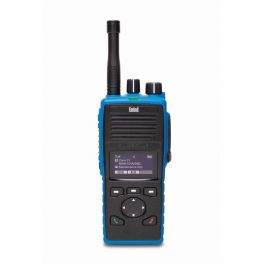
Entel DT982M ATEX
IN STOCKAvailable in either VHF or UHF, display and non-display models, the industrial grade DTEx Series sets the benchmark for next-generation onboard intrinsically safe portables£824.00£658.99 £790.79 Incl. VATRef: ENTDT982MUKCompare
Mitex General Twin Pack + G-Shape Earpiece
A set of UHF handheld radios with a G-shaped earpiece and inline PTTIN STOCK5.0 of 5 Reviews£195.93£176.51 £211.81 Incl. VATRef: MITGENTGSHUKCompare
Mitex Sports Twin Pack + Speaker Mics
Durable 5W VHF handheld radio designed for sports and outdoor settings with earpieces includedIN STOCK5.0 of 3 Reviews£226.02£213.36 £256.03 Incl. VATRef: MITSPORTSDSMUKCompare
Mitex Site Six Pack + 6-Way Charger
IN STOCKLicensed 5 Watt Two-Way Radio tailored for the construction industry£766.54£706.09 £847.31 Incl. VATRef: MITSITE6PCHUKCompare
Mitex Site Twin Pack + Speaker Mics
Licensed 5 Watt Two-Way Radio designed for the construction industry with Remote Speaker Microphone includedIN STOCK4.0 of 4 Reviews£259.34£236.64 £283.97 Incl. VATRef: MITSITEDSMUKCompare
Motorola R7a Non-Keypad UHF
IN STOCKMotorola R7 is a digital portable two-way radio that offers loud, clear, and customisable audio in a rugged, dependable, and connected device.£635.00£557.99 £669.59 Incl. VATRef: MOR7AUHFCompare
Entel DX485 - UHF
IN STOCKResistant and submersible IP68 walkie talkie, with UHF license, screen and keyboard£273.00£212.99 £255.59 Incl. VATRef: ENTDX485UKCompare
Entel DX425 - VHF
IN STOCKResistant and submersible IP68 walkie-talkie wuth VHF license, screen and keyboard£273.00£212.99 £255.59 Incl. VATRef: ENTDX425UKCompare
Entel HT782S UHF Two-Way Radio
IN STOCKEntel HT782S Entry Selcall Licensed UHF Two Way Radio£258.00£201.99 £242.39 Incl. VATRef: ENTHT782ESUKCompare
Mitex General Twin Pack + D-Shape Earpiece
A set of UHF handheld radios with a D-shaped earpiece and inline PTTIN STOCK5.0 of 5 Reviews£202.53£180.39 £216.47 Incl. VATRef: MITGENTDSHUKCompare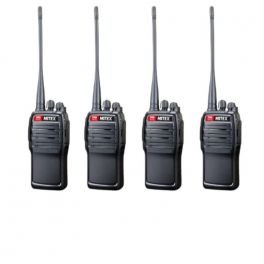
Mitex General DMR UHF Quad Pack
IN STOCKRobust quad-pack of DMR two-way radios, engineered for professionals requiring durable and dependable communication solutions£549.96£465.56 £558.67 Incl. VATRef: MITGENDMRQUKCompare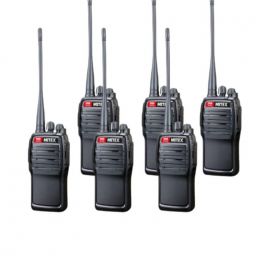
Mitex General DMR UHF Six Pack
IN STOCKSix-pack of DMR two-way radios for professionals requiring durable and dependable communication solutions£824.94£698.34 £838.01 Incl. VATRef: MITGENDMRSUKCompare
Mitex Sports Twin Pack + 1-Wire Earpieces
IN STOCKPowerful 5W VHF handheld radio crafted for sports and outdoor use with earpieces includes£221.62£205.60 £246.72 Incl. VATRef: MITSPORTSDWPTTUKCompare
Mitex Site Twin Pack + G-Shape Earpieces
IN STOCKLicensed 5 Watt Two-Way Radio ideal for the construction industry with earpieces included.£241.74£219.18 £263.02 Incl. VATRef: MITSITEDGSHUKCompare
Mitex Site Twin Pack + 1-Wire Earpieces
IN STOCKLicensed 5 Watt Two-Way Radio Specifically designed for the demands of the construction industry£254.94£228.88 £274.66 Incl. VATRef: MITSITEDWPTTUKCompare
Motorola Wave TLK25 Wi-Fi + 1 Year Subscription
IN STOCK2-way radio with subscription included£267.50£253.15 £303.78 Incl. VATRef: MOTWAVE251YSUKCompare
Motorola Wave TLK25 Wi-Fi Quad Pack + 1 Year Subscription
IN STOCK2-way radio with subscription included£1,070.00£1,012.60 £1,215.12 Incl. VATRef: MOTWAVE25QUAD1YSUKCompare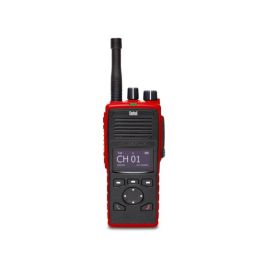
Entel DT985FF ATEX
IN STOCKPortable UHF analogue/digital radio, MED and ATEX certified, built to withstand extreme environments.£772.99 £927.59 Incl. VATRef: ENDT985FFCompare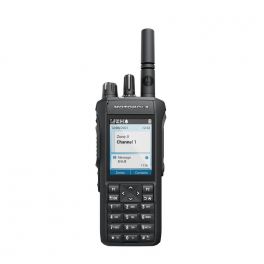
Motorola R7 Full-Keypad Capable UHF
IN STOCKMotorola R7 is a digital portable two-way radio that offers loud, clear, and customisable audio in a rugged, dependable, and connected device.£840.00£737.99 £885.59 Incl. VATRef: MOR7FPUHFCompare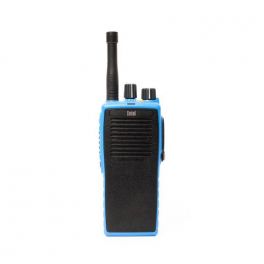
Entel DT982 UHF ATEX
IN STOCKThe rugged DTEx delivers exceptionally loud audio coupled with outstanding audio clarity.£824.00£658.99 £790.79 Incl. VATRef: ENTDT982ATEXUKCompare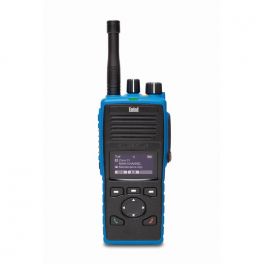
Entel DT985 UHF ATEX
IN STOCKThe rugged DTEx delivers exceptionally loud audio coupled with outstanding audio clarity.£892.00£713.99 £856.79 Incl. VATRef: ENTDT985UKCompare
iPTT P500 4G LTE PoC Radio
IN STOCKRugged and reliable portable two-way radio. Suitable for workers in the construction, security and hospitality industry.£248.99 £298.79 Incl. VATRef: IPTP500UKCompare
Entel HX425 Adv. Signalling VHF Two Way Radio
IN STOCKEntel HX425 series Advanced Signalling Licensed VHF Two Way Radio with display, 255 channels and navigation keypad.£273.00£217.99 £261.59 Incl. VATRef: ENTHX425AUKCompare
Mitex Sports Twin Pack + D-Shape Earpieces
IN STOCKRugged 5W VHF handheld radio, ideal for sports and outdoor environments. Pack includes earpiece£215.02£199.78 £239.74 Incl. VATRef: MITSPORTSDDSHUKCompare
Mitex Site Twin Pack + D-Shape Earpieces
IN STOCKLicensed 5 Watt Two-Way Radio tailored for the construction sector and ready for optimal performance£248.34£223.06 £267.67 Incl. VATRef: MITSITEDDSHUKCompare
Motorola Wave TLK110 with Charger + 1 Year Subscription
IN STOCK2-way licensed radio with subscription included£484.00£469.47 £563.36 Incl. VATRef: MOTWAVE1101YSUKCompare
Motorola Wave TLK100 with Charger Twin pack + 1 Year Subscription
IN STOCKTwin pack two-way radio with added subscriptions£914.00£886.58 £1,063.90 Incl. VATRef: MOTWAVEUKTWIN1YUKCompare
Motorola Wave TLK25 Wi-Fi Twin Pack + 1 Year Subscription
IN STOCK2-way radio with subscription included£535.00£506.30 £607.56 Incl. VATRef: MOTWAVE25TWIN1YUKCompare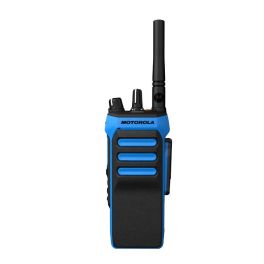
Motorola R7Ex ATEX - UHF
IN STOCKRugged digital portable radio with Bluetooth and SOS button, ideal for communication in explosive risk areas.£1,230.99£917.99 £1,101.59 Incl. VATRef: MOTRBOR7EXCompare
Mitex General DMR UHF Six Pack + 6-Way Charger
IN STOCKDurable two-way DMR radios crafted for professionals requiring resilient communication tools.£991.60£851.59 £1,021.91 Incl. VATRef: MITGENDMR6PCHUKCompare
Mitex General DMR UHF Twin Pack + G-Shape Earpieces
IN STOCKTwin Pack of durable two-way DMR radios for professionals, complete with earpieces for enhanced communication£316.76£267.68 £321.22 Incl. VATRef: MITGENDMRDGSHUKCompare
Mitex General DMR UHF Twin Pack + Speaker Mics
Durable two-way DMR radios tailor-made for professionals and equipped with a Remote Speaker MicrophoneIN STOCK5.0 of 3 Reviews£334.36£285.14 £342.17 Incl. VATRef: MITGENDMRDSMUKCompare
Motorola Wave TLK100 with Charger Quad Pack + 1 Year Subscription
IN STOCKQuad pack two-way radio with added subscriptions£1,828.00£1,773.16 £2,127.79 Incl. VATRef: MOTWAVEQUAD1YSUKCompare
Motorola Wave TLK110 Twin Pack with Charger + 1 Year Subscription
IN STOCK2-way licensed radios with subscriptions£968.00£938.94 £1,126.73 Incl. VATRef: MOTWAVE110TWIN1YSUKCompare
Key features and main functions
UHF two-way radios typically operate within the ultra high frequency range of approximately 400–470 MHz. This UHF spectrum is particularly suitable for indoor environments, as it allows signals to penetrate walls, concrete and steel structures more effectively than many other standards. This is why UHF walkie talkies are widely used in industrial facilities, warehouses and large building complexes. Modern devices can be configured flexibly, with programmable channels and digital technologies enabling group communication, improved audio quality and enhanced security.
| UHF frequency range (approx. 400–470 MHz) | Ideal for communication inside buildings and urban industrial environments. |
| Strong building penetration | Stable communication through walls, shelving systems and steel structures. |
| 1–5 watt transmission power (licence dependent) | Higher output supports wider coverage in large buildings or facilities. |
| Programmable channels | Clear organisation for teams, departments or operational zones. |
| Analogue or digital operation (DMR / dPMR) | Choice between simple communication and advanced digital features. |
| Repeater support and encryption | Extends coverage and helps protect sensitive business communication. |
How to choose the right product?
- OK Consider building structure: large warehouses, steel shelving or multi-storey buildings affect signal performance, making UHF walkie talkie solutions ideal.
- OK Choose analogue or digital: digital models offer group calls, improved audio and optional encryption.
- OK Plan coverage: for very large buildings or multiple sites, a repeater can significantly extend the UHF range.
- OK Consider accessories: headsets, speaker microphones or durable holsters improve daily usability.
- OK Plan battery usage: for shift work, spare batteries and multi-chargers are essential.
- OK Assess the environment: industrial sites, logistics centres or office buildings each require different radio setups.
- OK Check licensing: licensed UHF two-way radios often provide higher performance and better integration into professional systems.

Professional use cases
UHF walkie talkies are widely used in industrial and logistics environments. In large warehouses, they enable communication between picking, shipping and warehouse management. Manufacturing sites use them to connect maintenance teams, security staff and supervisors quickly. They are also essential in the security sector, for example in shopping centres, hotels, stadiums and office complexes. Thanks to strong building penetration, teams remain connected across multiple floors.
Why Onedirect as your partner?
Onedirect offers a wide range of professional UHF two-way radios from leading brands such as Motorola, Hytera, Kenwood, Icom and Entel. Businesses benefit from practical advice when selecting the right equipment, fast delivery and consistent stock availability. In addition, Onedirect supports radio programming, accessory selection and provides dedicated after-sales service to ensure your communication system works reliably in daily operations.
FAQ – Frequently asked questions
What does UHF mean in two-way radios?
UHF stands for Ultra High Frequency and refers to radios operating between approximately 400 and 470 MHz. These radios are particularly suitable for urban environments and indoor use, as UHF signals penetrate obstacles more effectively.
When should UHF radios be used?
UHF two-way radios are ideal for indoor environments such as warehouses, shopping centres, hotels or industrial sites. Where there are many walls, machines or shelving systems, they usually provide more stable communication.
What range do UHF radios offer?
The range depends heavily on the environment. Inside buildings, it typically covers several hundred metres up to a few kilometres. In open areas, the range can be significantly greater, especially with professional systems.
What is the difference between UHF and VHF radios?
The main difference lies in frequency and signal behaviour. UHF is better suited to indoor and urban environments, while VHF generally provides greater range in open outdoor areas.
Related resources
Radio frequency guide Icon Difference between UHF and VHF radios Icon