
My Cart



Security Two-Way Radios

Mitex PMR446 Xtreme2 Six Pack + 6-Way Charger
IP66 rated two-way radios ideal for use in harsh environments with chargerIN STOCK5.0 of 1 Reviews£666.61£609.12 £730.95 Incl. VATRef: MIT446X26PCHUKCompare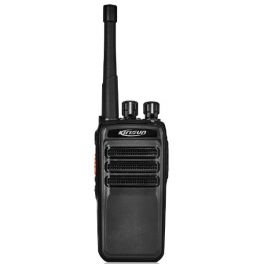
Kirisun DP405 UHF
IN STOCKCost-effective UHF portable radio, with DMO 2-slot and dual-mode compatibility£199.99£114.99 £137.99 Incl. VATRef: KIRIDP405UCompare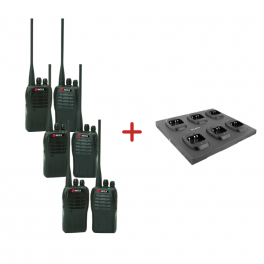
Mitex General Six Pack + 6-Way Charger
Long-range professional two-way UHF radio with 6-way chargerIN STOCK5.0 of 5 Reviews£629.11£577.11 £692.53 Incl. VATRef: MITGENT6PCHUKCompare
Motorola XT420 Eight Pack
License free two way radio 8 pack - replaces the Motorola XTNi - includes chargersIN STOCK4.7 of 137 Reviews£1,319.92£892.32 £1,070.79 Incl. VATRef: MOXT420ECompare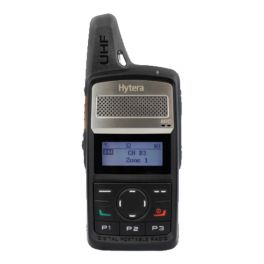
Hytera Walkie Talkie - HYT PD365LF
IN STOCKAnalogue or Digital Two-Way Radio!£215.99£193.99 £232.79 Incl. VATRef: HYTPD365LFCompare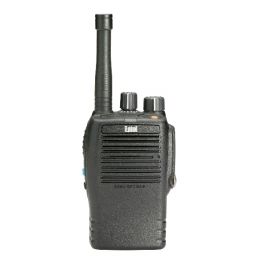
Entel DX482 - UHF
IN STOCKIP68 standard, waterproof and submersible two-way radio with UHF license, without screen or keyboard£215.00£179.99 £215.99 Incl. VATRef: ENTDX482Compare
Hytera Mini S1
Compact and elegant radio, ideal for businesses, with reliable PTT, great audio, and a long-lasting battery for efficient communication.IN STOCK3.9 of 5 Reviews£82.99£53.99 £64.79 Incl. VATRef: HYS1MINICompare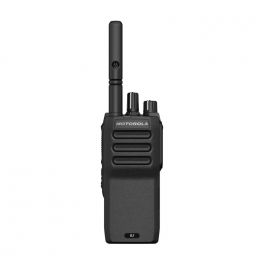
Motorola R2 VHF Digital
IN STOCKWalkie talkie of the highest standard, combining durability and ergonomics for safe and easy use.£347.00£253.99 £304.79 Incl. VATRef: MOR2DVHFCompare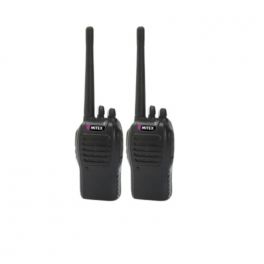
Mitex Sports Twin Pack
IN STOCK5W VHF handheld radio designed for robust performance in sports and outdoor environments.£166.64£161.00 £193.20 Incl. VATRef: MITSPORTSDUKCompare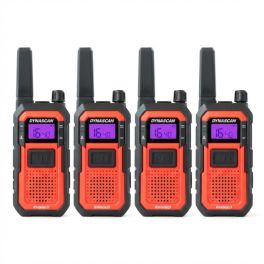
Pack of 4 Dynascan Rugged PMR446 walkie-talkies
IN STOCKA set of four robust PMR446 radios designed for professional use, IP67-certified, with a long battery life and features such as SOS, VOX and Dual-PTT.£207.96£193.96 £232.75 Incl. VATRef: DYNRUGGEDX4Compare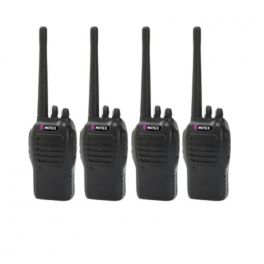
Mitex Sports Quad Pack
IN STOCKDurable 5W VHF handheld radio crafted for sports and outdoor use.£333.28£322.00 £386.40 Incl. VATRef: MITSPORTSQUKCompare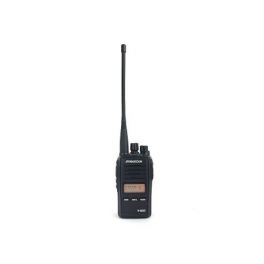
DYNASCAN V-600
IN STOCKProfessional VHF walkie-talkie with 128 channels, IP67 protection submersible and approved for hunting.£84.99£72.99 £87.59 Incl. VATRef: DYNV600Compare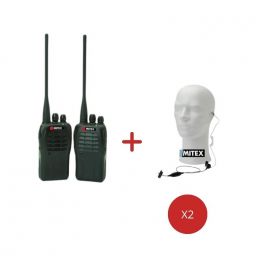
Mitex General Twin Pack + 1-Wire Earpiece
A set of UHF handheld radios with a 1-Wire earpiece and inline PTTIN STOCK5.0 of 5 Reviews£209.13£186.21 £223.45 Incl. VATRef: MITGENTWPTTUKCompare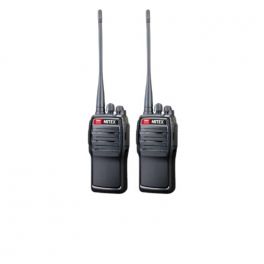
Mitex General DMR UHF Twin Pack
IN STOCKDurable two-way DMR radio Twin Pack Designed for Professionals in Need of Robust Communication Tools£274.98£232.78 £279.34 Incl. VATRef: MITGENDMRDUKCompare
Motorola XT420 Six Pack + G-shaped earpiece
Motorola XT420 six pack with 6 G-shaped earpiecesIN STOCK4.6 of 160 Reviews£1,049.88£727.38 £872.86 Incl. VATRef: MOTXT420GSIXCompare
Mitex Site Twin Pack
IN STOCKLicensed 5 Watt Two-Way Radio ideal for the construction industry that ensures reliable communication£199.96£182.34 £218.81 Incl. VATRef: MITSITEDUKCompare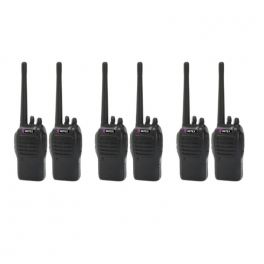
Mitex Sports Six Pack
IN STOCKReliable outdoor communication with 5W VHF handheld radio, designed for robust performance.£499.92£483.00 £579.60 Incl. VATRef: MITSPORTSSUKCompare
Motorola XT420 Quad-Pack with G-Shaped Earpiece & Carrying Case
License-free professional walkie talkie 4-pack with PTT headset and carrying caseIN STOCK4.6 of 163 Reviews£770.31£549.90 £659.88 Incl. VATRef: MOXT420QMAX4BRCompare
Motorola XT420 + In-ear earpiece
Robust license-free two-way radio, perfect in the harshest and noisiest environments. Includes in-ear earpieceIN STOCK4.7 of 139 Reviews£365.96£257.98 £309.58 Incl. VATRef: MOTXT420IEPUKCompare
Motorola XT460 + In-ear earpiece
Robust license free radio with display - replaces the Motorola XTNid. Includes an in-ear earpiece.IN STOCK4.7 of 44 Reviews£399.96£277.38 £332.86 Incl. VATRef: MOTXT460IEPUKCompare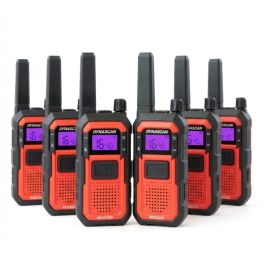
Pack of 6 Dynascan Rugged PMR446 walkie-talkies
IN STOCKA set of six rugged PMR446 radios designed for professional use, IP67-certified, with a long battery life and features such as SOS, VOX and Dual-PTT.£311.94£290.94 £349.13 Incl. VATRef: DYNRUGGEDX6Compare
Set of 4 Midland G15 Pro
Set of 4 licence-free and robust PMR-446 radiosIN STOCK4.0 of 2 Reviews£435.96£310.36 £372.43 Incl. VATRef: MIG15PROQCompare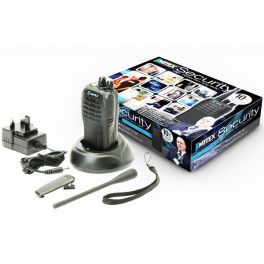
Mitex Security UHF
IN STOCKPowerful 5 Watt Two-Way Radio designed for the security industry£79.15£76.99 £92.39 Incl. VATRef: MITSECUKCompare
Entel DX482M Walkie-Talkie
IN STOCKRobust (IP68) and reliable marine walkie-talkie with UHF licence, for infallible communication in demanding environments.£250.00£209.99 £251.99 Incl. VATRef: ENDX482MUKCompare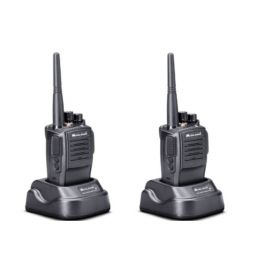
Set of 2 Midland G15 Pro
Set of 2 licence-free and robust radios with accessoriesIN STOCK4.0 of 2 Reviews£217.98£155.18 £186.22 Incl. VATRef: MIG15PRODCompare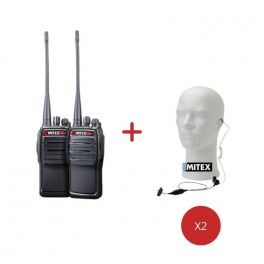
Mitex General Xtreme Twin Pack + 1-Wire Acoustic Earpiece
Professional and heavy-duty IP66 two-way radio twin pack and 2 x 1-wire acoustic earpiecesIN STOCK4.8 of 4 Reviews£238.67£198.82 £238.59 Incl. VATRef: MITGENXWPTTCompare
Mitex General Xtreme Twin Pack + G-Shape Earpieces
Pair of long-range UHF handheld radios with G-shaped earpiece and inline PTTIN STOCK4.8 of 4 Reviews£225.47£189.12 £226.95 Incl. VATRef: MITGENXGSHCompare
Motorola Wave TLK100 with Charger + 1 Year Subscription
IN STOCK2-way licensed radio with subscription included£457.00£443.29 £531.95 Incl. VATRef: MOTWAVE1YSUKCompare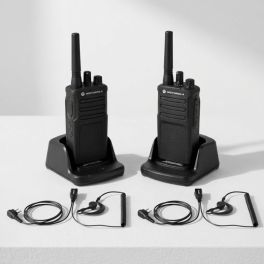
Pack of 2 Motorola XT420s + 2 BR1703 headsets
Pack of 2 Motorola XT420 walkie-talkies with 2 earhooks – a robust and reliable solution for professional teams who need to work hands-free.IN STOCK4.6 of 160 Reviews£349.96£242.46 £290.95 Incl. VATRef: MOXT420BR1703Compare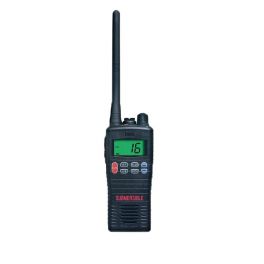
Entel HT644 VHF Marine Two Way Radio
IN STOCKProfessional marine handheld radio that exceeds MIL-STD 810C/D/E/F standards£196.00£174.99 £209.99 Incl. VATRef: ENHT644UKCompare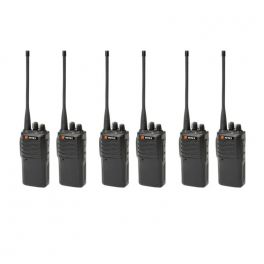
Mitex Site Six Pack
IN STOCK5 Watt Licensed Two-Way Radio ideal designed for the demands of the construction industry£599.88£547.02 £656.43 Incl. VATRef: MITSITESUKCompare
Mitex PMR446 Xtreme2 Twin Pack + G-Shape Earpieces
Rugged IP66-Rated Two-Way Radios for Demanding Environments with G-Shape EarpieceIN STOCK5.0 of 1 Reviews£208.43£187.18 £224.62 Incl. VATRef: MIT446X2TWINGSHUKCompare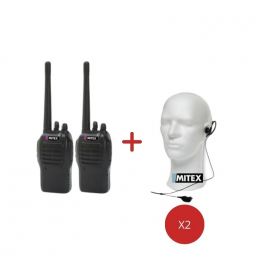
Mitex Sports Twin Pack + G-Shape Earpieces
IN STOCKRobust 5W VHF handheld radio pack for sports and outdoor use£208.42£195.90 £235.08 Incl. VATRef: MITSPORTSDGSHUKCompare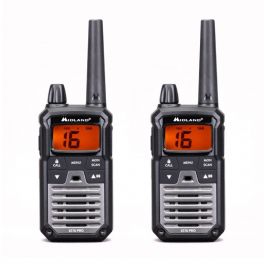
Midland XT70 PRO
IN STOCKWalkie-talkie with a range of up to 12 km, splash-proof with high performance and security£106.99£88.99 £106.79 Incl. VATRef: MIXT70PROCompare
Motorola XT460 Six Pack + G-shaped earpiece
Robust license free radio with display - replaces the Motorola XTNid. Includes a G-shaped ear earpiece.IN STOCK4.5 of 65 Reviews£1,151.88£785.58 £942.70 Incl. VATRef: MOTXT460GSIXUKCompare
Motorola XT460 Quad-pack + 4 Speakermics
4-pack robust license-free walkie talkie with IP55-classification with 4 speakermicsIN STOCK4.7 of 51 Reviews£847.92£562.37 £674.84 Incl. VATRef: MOXT460QJD5UKCompare
Midland G10 Pro Quad Pack + 4 BA21 microphones
Midland licence-free Quad Pack with 4 PTT microphones: clear, robust and professional communication for teams on the move.IN STOCK4.9 of 9 Reviews£419.92£310.32 £372.39 Incl. VATRef: MIG10PROQBA21Compare
Mitex PMR446 Xtreme2 Six Pack
Rugged IP66-rated two-way radios – perfect for deployment in demanding conditions.IN STOCK5.0 of 1 Reviews£499.95£456.84 £548.21 Incl. VATRef: MIT446X2SUKCompare
6x Pack of Dynascan F-15
IN STOCKPack of 6 license-free, robust, and waterproof walkie-talkies. Ideal for outdoor use.£266.97£215.31 £258.37 Incl. VATRef: DYNF15SCompare
Mitex General Twin Pack + Speaker Mics
A set of UHF handheld radios with a Remote Speaker MicrophoneIN STOCK5.0 of 8 Reviews£213.53£193.97 £232.77 Incl. VATRef: MITGENTSMUKCompare
Key features and core functions
In security operations, radio communication is part of command and control. Information must be transmitted quickly, but often without being overheard. For this reason, many teams rely on compact devices with in-ear or bodyguard headsets, vibration alerts and structured call systems. In practice, security teams prioritise discreet headsets, durable devices, clear audio quality, accessories for covert use and reliable alert functions.
| Encrypted communication (e.g. DMR with AES/ARC, model dependent) | Protects sensitive operational information from unauthorised listening. |
| Emergency button with alert function | Enables immediate alerting of control room or team during incidents. |
| Lone worker / man-down function | Enhances safety for isolated staff and critical situations. |
| GPS tracking (model-dependent) | Supports coordination across large sites or distributed teams. |
| Compatibility with in-ear and bodyguard headsets | Ensures discreet communication in public-facing environments. |
| Strong in-building coverage (UHF preferred) | Important for shopping centres, hotels, arenas and office complexes. |
How to choose the right product?
- OK Define the use case: static guarding, event security, patrols or door supervision each require different levels of range, discretion and headset type.
- OK Prioritise discreet wear: in-ear, acoustic tube or bodyguard headsets are often more critical than raw device performance.
- OK Define alert protocols: emergency, lone worker and priority calls must align with your internal response procedures.
- OK Check building coverage: in complex environments, UHF radios and possibly repeaters may be required.
- OK Plan batteries and charging: long events or night shifts require backup units and structured charging.
- OK Use encryption where needed: sensitive communication should only reach authorised personnel.

Use cases in professional environments
At events, security radios coordinate entry controls, patrols, technical teams, and operations in real time. Static guards help consolidate reports from car parks, indoor areas, loading zones, and outdoor spaces. In shopping centers, hotels, and office complexes, strongbuilding coverage and discreet communication are essential. They are also widely used in door supervision and mobile security operations, where compact devices, discreet headsets and rapid alerts are critical.
Why choose Onedirect as your partner?
Onedirect supports security teams with tailored security walkie talkie solutions, discreet accessories, radio programming and reliable availability. Especially during peak staffing, events or site changes, fast delivery, backup devices and a dependable after-sales service are essential to maintaining clear and controlled communication.
FAQ – Frequently asked questions
Why do security teams use radios?
Radios facilitate immediate communication among team members, enabling rapid information sharing without dependence on mobile networks.
Which radios are suitable for security teams?
Security teams typically use compact, durable radios with clear audio. Compatibility with discreet headsets or speaker microphones is particularly important.
What range is required for security radios?
Range depends on the environment. Licence-free radios may be sufficient for buildings or events, while large sites or industrial facilities often require professional systems.
What accessories are commonly used in security?
Common accessories include acoustic tube headsets, bodyguard earpieces, belt holsters and speaker microphones to ensure discreet and efficient communication.
Related resources
Top 10 best walkie talkies Icon Top 10 best Motorola radios Icon Choose radios by working environment Icon