
My Cart



VHF Two-Way Radios
Reliable Long-Range Connectivity for Rural and Wide-Area Operations
VHF two-way radios are ideal when communication is needed over longer distances in open areas. In rural regions or large operational zones, VHF radios often provide better range than other radio standards. That is why they are widely used in agriculture, infrastructure projects, forestry and on large construction sites. Whether you need analogue or digital models, these devices support stable team communication across wide areas.

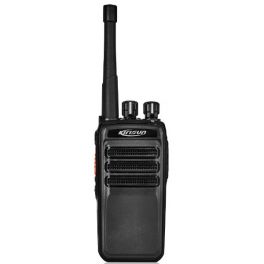
Kirisun DP405 VHF
IN STOCKCost-effective VHF portable radio, with DMO 2-slot and dual-mode compatibility .- 5W high power loudspeaker
- Advanced digital voice encoding
- Dual-mode compatibility: Analog and Digital
- User-defined voice annunciation
- DMO 2-slot for increased call capacity
- ARC 40-bit encryption
- Extended battery life
£199.99£119.99 £143.99 Incl. VATRef: KIRIDP405VCompare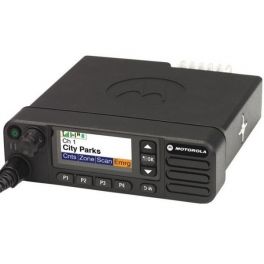
Motorola DM4600E VHF (45W)
IN STOCKMotorola Two-way mobile radio with 1000 channels- Two-way mobile radio
- Bluetooth
- GPS
- Colour screen with day / night mode
- 3 W speaker
- IP54 rating
£660.00£494.99 £593.99 Incl. VATRef: MODM4600EVHFUKCompare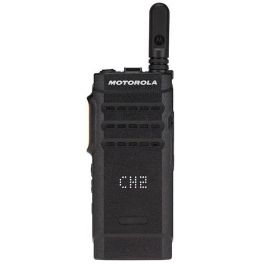
Motorola SL1600 VHF
IN STOCKAn ultra-slim and rugged two-way radio by Motorola. Comes with an LED display and MicroUSB connectivity.- VHF walkie talkie with analog / digital license
- 99 Channels
- Rated IP54
- 22mm thick ultra thin design
- Active View screen with LED lighting
- Micro USB connectivity: fast charging and easy programming
£416.00£364.79 £437.75 Incl. VATRef: MOSL1600VUSBCompare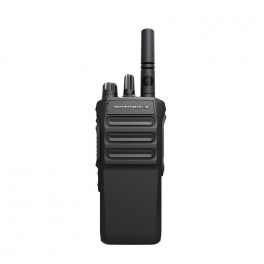
Motorola R7 Non-Keypad Capable VHF
IN STOCKMotorola R7 is a digital portable two-way radio that offers loud, clear, and customisable audio in a rugged, dependable, and connected device.- Analogue and Digital Hybrid
- IP68 & MIL-STD 810 Rating
- 64 Channels
- Up to 21.5h Battery Life
- x4 Programmable buttons
- Remote Monitor
- Lone worker & Emergency Button
- Upgradeable to include: Bluetooth 5.2, WiFi, GNSS & More
£695.00£610.79 £732.95 Incl. VATRef: MOR7VCompare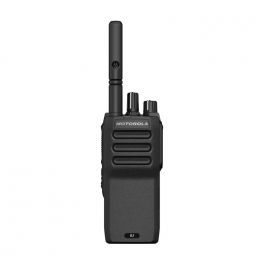
Motorola R2 VHF Analogue
IN STOCKWalkie talkie of the highest standard, combining durability and ergonomics for safe and easy use.- VHF Walkie Talkie
- Rugged - MIL-STD 810 military standard
- IP55 (dust and water protection)
- 2 programmable buttons
- Dual priority scan
- 64 channels
£271.00£197.99 £237.59 Incl. VATRef: MOR2VHFCompare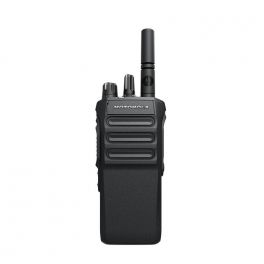
Motorola R7a Non-Keypad VHF
IN STOCKMotorola R7 is a digital portable two-way radio that offers loud, clear, and customisable audio in a rugged, dependable, and connected device.- Analogue and Digital Hybrid
- IP68 & MIL-STD 810 Rating
- 64 Channels
- Up to 21.5h Battery Life
- x4 Programmable buttons
- Remote Monitor
- Lone worker & Emergency Button
£635.00£557.99 £669.59 Incl. VATRef: MOR7AVHFCompare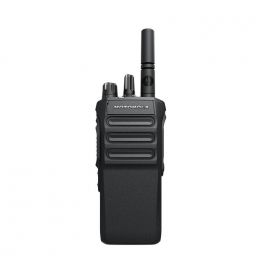
Motorola R7 Non-Keypad Premium VHF
IN STOCKMotorola R7 is a digital portable two-way radio that offers loud, clear, and customisable audio in a rugged, dependable, and connected device.- Analogue and Digital Hybrid
- IP68 & MIL-STD 810 Rating
- 64 Channels
- Up to 21.5h Battery Life
- x4 Programmable buttons
- Remote Monitor
- Lone worker & Emergency Button
- Bluetooth 5.2
- WiFi
- GNSS & More
£780.00£685.19 £822.23 Incl. VATRef: MOR7PNPVHFCompare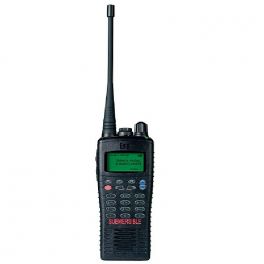
Entel HT726 VHF Two Way Radio
IN STOCKEntel HT726 series Advanced Signalling Keypad Licensed VHF Submersible Two Way Radio with display, 255 channels and full numeric keypad.- Entel HT726 Advanced Signalling Keypad two way radio
- Submersible
- VHF 136 - 174MHz frequency band
- Programming costs are not included in the price of this radio
- Full numeric keypad
- Also available as VHF mid band and UHF
- 255 channels
- LCD display
- 400 user contact list
- Receiving signal strength indicator
- High quality audio
- Exceeds MIL Standard 810 C/D/E/F
£369.00£294.99 £353.99 Incl. VATRef: ENTHT726AKUKCompare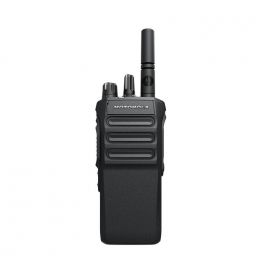
Motorola R7 Non-Keypad TIA Capable VHF
IN STOCKMotorola R7 is a digital portable two-way radio that offers loud, clear, and customisable audio in a rugged, dependable, and connected device.- Analogue and Digital Hybrid
- IP68 & MIL-STD 810 Rating
- TIA4950 Rated
- 64 Channels
- Up to 21.5h Battery Life
- x4 Programmable buttons
- Remote Monitor
- Lone worker & Emergency Button
- Upgradeable to include: Bluetooth 5.2, WiFi, GNSS & More
£790.00£577.99 £693.59 Incl. VATRef: MOR7NPTVHFCompare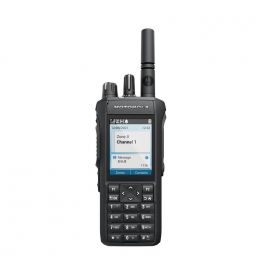
Motorola R7 Full-Keypad Capable VHF
IN STOCKMotorola R7 is a digital portable two-way radio that offers loud, clear, and customisable audio in a rugged, dependable, and connected device.- Analogue and Digital Hybrid
- Full Colour Screen
- IP68 & MIL-STD 810 Rating
- 1000 Channels
- Up to 21.5h Battery Life
- x4 Programmable buttons
- Remote Monitor
- Lone worker & Emergency Button
- Upgradeable to include: Bluetooth 5.2, WiFi, GNSS & More
£840.00£737.99 £885.59 Incl. VATRef: MOR7FPVHFCompare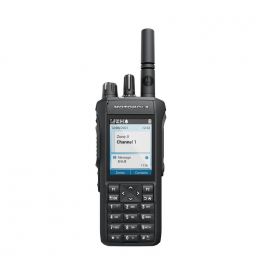
Motorola R7 Full-Keypad Premium VHF
IN STOCKMotorola R7 is a digital portable two-way radio that offers loud, clear, and customisable audio in a rugged, dependable, and connected device.- Analogue and Digital Hybrid
- Full Colour Screen
- IP68 & MIL-STD 810 Rating
- 1000 Channels
- Up to 21.5h Battery Life
- x4 Programmable buttons
- Remote Monitor
- Lone worker & Emergency Button
- Bluetooth 5.2
- WiFi
- GNSS & More
£925.00£812.39 £974.87 Incl. VATRef: MOR7PFPVHFCompare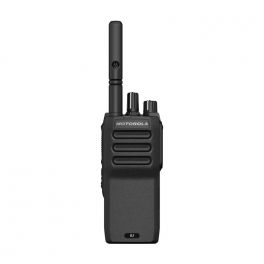
Motorola R2 VHF Digital
IN STOCKWalkie talkie of the highest standard, combining durability and ergonomics for safe and easy use.- VHF Walkie Talkie
- Rugged - MIL-STD 810 military standard
- IP55 (dust and water protection)
- 2 programmable buttons
- Dual priority scan
- 64 channels
£347.00£253.99 £304.79 Incl. VATRef: MOR2DVHFCompare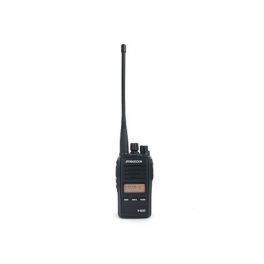
DYNASCAN V-600
IN STOCKProfessional VHF walkie-talkie with 128 channels, IP67 protection submersible and approved for hunting.- Professional walkie talkie compatible with VHF range devices such as Motorola GP340 VHF, DP14000, DP2400, CP040 etc.
- This model requires a license to use.
- Up to 128 channels
- High dust resistance and submersible in water: IP67
- Emergency call key (SOS)
- Anti-shock metallic structure
- Motorola 2-pin type headphone jack
£84.99 £101.99 Incl. VATRef: DYNV600Compare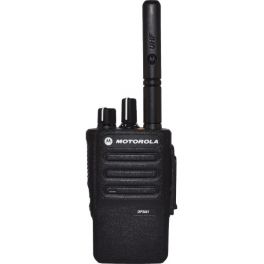
Motorola DP3441e VHF
IN STOCKVHF walkie-talkie, with a license, professional, analogue and digital, with GPS and Bluetooth- VHF digital and/or analogue walkie talkie
- Operation in digital DMR or analog PMR
- 32 channels
- Allows analog-digital migration
- IP68-resistant
- With GPS and integrated Bluetooth
- More coverage: receiver that improves sensitivity
- More autonomy: up to 27 hours
- Rotary channel switch
- 2 programmable side buttons
- Sound enhancements and automatic noise-cancelling
- This model requires a license
£606.00£531.59 £637.91 Incl. VATRef: MODP3441EVHFCompare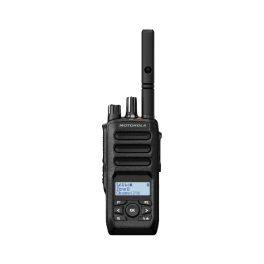
Motorola MOTOTRBO R5 LKP VHF
Call us for availabilityVHF walkie talkie with clear, secure communication, powerful audio, rugged design, and limited keypad for demanding environments.- Powerful and clear audio even in noisy environments.
- Resistant to water, dust and drops: IP67 and MIL-STD-810
- Monochrome display and long-lasting battery up to 32 h
- AI-powered noise suppression
- Outdoor location tracking (GNSS)
- Emergency button for lone worker protection
- Secure communication with advanced encryption.
- Over-the-air programming (via DMR)
£499.99 £599.99 Incl. VATRef: MOR5LKPVHFCompare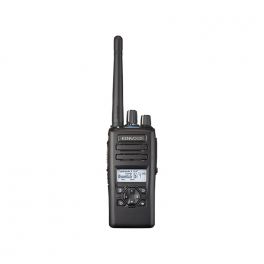
Kenwood NX-3220E2 VHF - with battery, antenna and charger
Out of stockVHF analogue/digital NXDN walkie talkie with display, reduced keypad, GPS receiver, bluetooth, battery, antenna and charger- VHF analogue/digital walkie talkie
- Frequency range 136-174 MHz
- With 2 pin connection
- Voice inversion encryption against eavesdropping
- 260 channels
- Bluetooth for hands-free communication and GPS
- LCD display with reduced keypad
- IP67 certification (dust)
- MIL-STD 810 C/ D/ E/ F/ G (Ruggedness)
- Functions: Man-Down
- Includes battery, antenna and charger
£548.72£512.78 £615.34 Incl. VATRef: KWNX3220E2F8L6MLCompare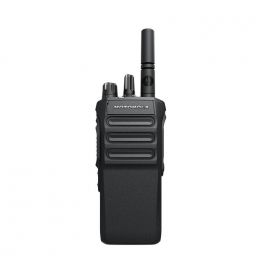
Motorola R7 Non-Keypad TIA Premium VHF
Call us for availabilityMotorola R7 is a digital portable two-way radio that offers loud, clear, and customisable audio in a rugged, dependable, and connected device.- Analogue and Digital Hybrid
- IP68 & MIL-STD 810 Rating
- TIA4950 Rated
- 64 Channels
- Up to 28h Battery Life
- x4 Programmable buttons
- Remote Monitor
- Lone worker & Emergency Button
- Bluetooth 5.2
- WiFi
- GNSS & More
£875.00£639.99 £767.99 Incl. VATRef: MOR7PNPTVHFCompare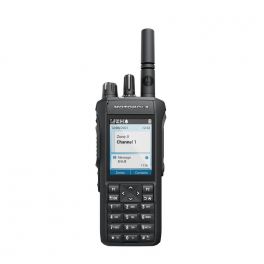
Motorola R7 Full-Keypad TIA Premium VHF
Call us for availabilityMotorola R7 is a digital portable two-way radio that offers loud, clear, and customisable audio in a rugged, dependable, and connected device.- Analogue and Digital Hybrid
- Full Colour Screen
- IP68 & MIL-STD 810 Rating
- TIA4950 Rated
- 1000 Channels
- Up to 21.5h Battery Life
- x4 Programmable buttons
- Remote Monitor
- Lone worker & Emergency Button
- Bluetooth 5.2
- WiFi
- GNSS & More
£1,035.00£756.99 £908.39 Incl. VATRef: MOR7PFPTVHFCompare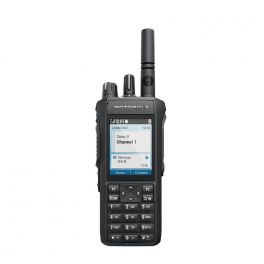
Motorola R7 Full-Keypad TIA Capable VHF
Call us for availabilityMotorola R7 is a digital portable two-way radio that offers loud, clear, and customisable audio in a rugged, dependable, and connected device.- Analogue and Digital Hybrid
- Full Colour Screen
- IP68 & MIL-STD 810 Rating
- TIA4950 Rated
- 1000 Channels
- Up to 28h Battery Life
- x4 Programmable buttons
- Remote Monitor
- Lone worker & Emergency Button
- Upgradeable to include: Bluetooth 5.2, WiFi, GNSS & More
£930.00£679.99 £815.99 Incl. VATRef: MOR7FPTVHFCompare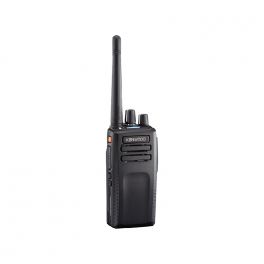
Kenwood NX-3220E3 VHF - with battery, antenna and charger
Out of stockVHF analogue/digital NXDN walkie-talkie, GPS receiver, Bluetooth, with belt clip, battery, antenna and charger- VHF analogue/digital walkie talkie
- Frequency range 136-174 MHz
- 64 channels
- Bluetooth for hands-free communication and GPS
- With 2-pin connection
- Voice inversion encryption against eavesdropping
- IP67(dust)
- Certification(dust)
- MIL-STD 810 C/ D/ E/ F/ G (Ruggedness)
- Functions: Man-Down
- Includes battery, antenna and charger
£506.84£470.04 £564.05 Incl. VATRef: KWNX3220E3F8L6MLCompare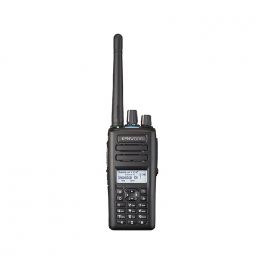
Kenwood NX-3220E VHF - with battery, antenna and charger
Out of stockNXDN analogue/digital VHF walkie talkie with display, full numeric keypad, GPS receiver, Bluetooth, battery, antenna and charger- VHF analogue/digital walkie talkie
- Frequency range 136-174 MHz
- With 2 pin connection
- Voice inversion encryption against eavesdropping
- 260 channels
- Bluetooth for hands-free communication and GPS
- LCD display with full keyboard
- IP67 certification (dust)
- MIL-STD 810 C/ D/ E/ F/ G (Ruggedness)
- Functions: Man-Down
- Includes battery, antenna and charger
£586.32£538.42 £646.10 Incl. VATRef: KWNX3220EF8L6MLCompare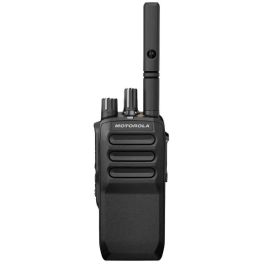
Motorola MOTOTRBO R5 VHF NKP
Call us for availabilityMotorola MOTOTRBO R5 NKP: Digital VHF/UHF radio with IP67, 64 channels, strong audio, and up to 32 hours of battery life.- VHF and UHF bands
- Up to 64 channels and 4 zones
- Battery life up to 32 hours
- IP67 and MIL-STD 810H rated durability
- Noise suppression with SINC+ and AI
- Display- and keypad-free design
- TIA4950 intrinsic safety option
- Compatible with analogue and digital DMR
£443.99£374.99 £449.99 Incl. VATRef: MOR5NKPVHFCompare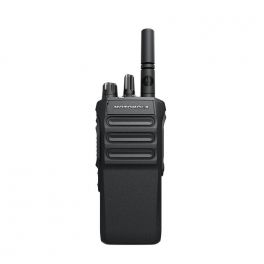
Motorola R7a Non-Keypad TIA VHF
Call us for availabilityMotorola R7 is a digital portable two-way radio that offers loud, clear, and customisable audio in a rugged, dependable, and connected device.- Analogue and Digital Hybrid
- IP68 & MIL-STD 810 Rating
- TIA4950 Rated
- 64 Channels
- Up to 21.5h Battery Life
- x4 Programmable buttons
- Remote Monitor
- Lone worker & Emergency Button
£740.00£540.99 £649.19 Incl. VATRef: MOR7ATVHFCompare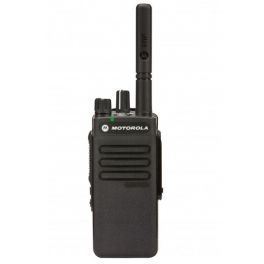
Motorola DP2400E VHF
DiscontinuedDual VHF two-way radio works in analogue or digital mode, 16 channels, enhanced features- This model requires a license
- UHF digital and/or analogue radio
- Operation in digital DMR or analogue PMR
- 16 channels
- Allows easy analogue-digital migration
- Rugged IP67
- More coverage: a receiver that improves sensitivity
- More autonomy: up to 27 hours
- Rotary channel switch
- 2 programmable side buttons
- Automatic suppression of ambient noise and sound enhancements
Check the alternative productRef: MODP2400EVHFCompare
Key features and main functions
VHF two-way radios typically operate within VHF radio frequencies of approximately 136–174 MHz. This very high frequency range is particularly well suited to outdoor use, as it enables greater coverage over open terrain. That is why radios VHF are widely used in projects where teams are spread across large areas. With programmable channels and optional repeater support, professional radio networks can be created to deliver stable communication over several kilometres.
| VHF frequency range (approx. 136–174 MHz) | Ideal for communication in open areas and rural environments. |
| Long range in open terrain | Highly effective where there are few buildings and large open spaces. |
| 1–5 watt transmission power (licence-dependent) | Adjustable output for wider radio coverage. |
| Removable VHF antenna | Adaptable to different working environments and antenna types. |
| Analogue or digital operation | Flexible use depending on your radio infrastructure. |
| Repeater support | Extends coverage across large operational areas. |
How to choose the right product?
- OKAssess the terrain: open landscapes, fields or infrastructure routes are typical use cases for VHF two-way radios.
- OKPlan the network structure: depending on the distance between teams, a repeater can significantly improve coverage.
- OKAnalogue or digital: digital radios offer additional features such as group calls and improved audio quality.
- OKCheck durability: outdoor use requires robust devices with high protection ratings and long-lasting batteries.
- OKPlan accessories: headsets, vehicle mounts or external antennas can improve usability.
- OKEvaluate range requirements: the larger the coverage area, the more important power and antenna quality become.
- OKConsider licensing: licensed systems provide greater control over VHF frequency use and network structure, especially in the context of frequencies UK.

Professional use cases
VHF two-way radios are widely used in agriculture, forestry and infrastructure projects where teams operate over long distances. Construction projects along roads, railways or utility networks also benefit from the extended range of VHF radio frequencies. In addition, they are commonly used in rural logistics, energy services and field operations, where mobile networks are not always reliable.
Why Onedirect as your partner?
Onedirect offers professional VHF two-way radios from leading brands such as Motorola, Hytera, Kenwood and Entel. Businesses benefit from expert advice on selecting the right VHF frequency, fast delivery and a wide range of compatible accessories. We also support device programming and network planning to ensure your radio solution fits your operational needs perfectly.
FAQ – Frequently asked questions
What does VHF mean in two-way radios?
VHF stands for Very High Frequency and refers to radios operating within approximately 136 to 174 MHz. These vhf two-way radios are commonly used for long-distance communication in outdoor environments.
When are VHF radios the best choice?
Radios VHF are particularly suitable for outdoor use such as construction sites, agriculture, forestry or maritime applications. In open landscapes, they typically achieve greater range than many other radio types.
What range can VHF radios achieve?
The range depends on terrain, antenna and transmission power. In open environments, several kilometres are often achievable, while obstacles such as buildings or dense urban areas can reduce coverage.
What is the difference between VHF and UHF radios?
VHF is better suited to open areas and long distances, while UHF performs better inside buildings or in dense urban environments. The choice depends on your specific use case.
Related resources
Radio frequency guide Icon Difference between UHF and VHF radios Icon