My Cart



DECT Base Stations
The Heart of Your Cordless Communications
A high-quality DECT base station is the central hub of your cordless telephony. Lay the foundation now for reliable, long-range wireless communication across your business.
- Flexible installation options: Position the DECT base stations for optimal radio coverage and minimal signal loss. Wall mounting available.
- Future-proof DECT-GAP technology: Scalable and compatible with handsets from many manufacturers. Feel free to contact us for more information.
- High signal quality: Interference-free calls throughout the workplace, thanks to stable connections.
- IconBest Seller
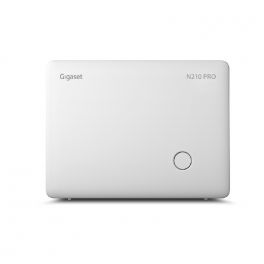
Gigaset N210 Pro
Gigaset N210 DECT standard base station for up to 6 handsets.- Analog line base station
- Allows to connect up to 6 wireless terminals
- Only compatible with Gigaset handsets
- Simple operation via registered terminals
IN STOCK4.5 of 44 Reviews£30.00£24.99 £29.99 Incl. VATRef: SIN210PROCompare 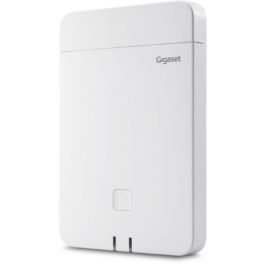
Gigaset N670 DECT IP
IN STOCKExpandable VoIP DECT telephony system- Single-cell IP DECT system
- Up to 20 DECT terminals
- Up to 8 simultaneous voice calls
- Advanced application and data integration
- Power over Ethernet (PoE)
- Compatible with all Gigaset Professional Terminals
£119.99£100.99 £121.19 Incl. VATRef: SIN670IPUKCompare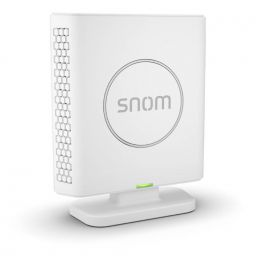
Snom M400 DECT Base
IN STOCKA modern wireless DECT phone system that transforms internal communication in your company.- Power over Ethernet
- Up to 50 m indoor range / 300 m outdoor range
- TLS and SRTP security
- Phonebook Directory
- Up to 20 connected cordless handsets, up to 10 simultaneous calls
£146.80£109.99 £131.99 Incl. VATRef: SMM400Compare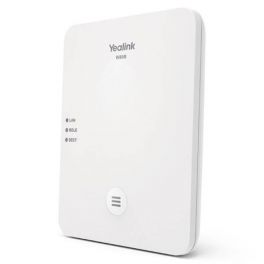
Yealink Base DECT W80B
DECT IP Multi-Cell Wireless Base Station- Seamless delivery and roaming
- DECT radio coverage of up to 50m indoors and 300m outdoors
- Up to 100 parallel calls
- Up to 30 base stations
- Supports LDAP / Remote Phone Book
- Support Xsi Directory
- Opus and PoE support
- Compatible with Yealink W56H and W53H (version x.83.0.20 or later)
IN STOCK1 of 1 Reviews£293.99£168.99 £202.79 Incl. VATRef: YEALINKW80BCompare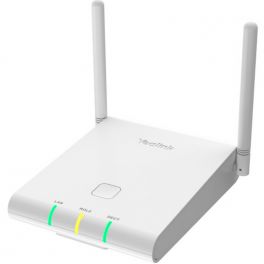
Yealink W90B
IN STOCKA scalable multi-cell DECT solution to cover all your installations.- Scalable multi-cell IP DECT base
- Delivers DECT signal and ensures optimal coverage
- Up to 60 embeddable base stations
- Add 250 handsets per system
- 250 calls can be made simultaneously (8 per base and 2 per handset)
- Built-in AES encryption
- Compatible with W53H; W56H; W59R; CP930W and DD (T54W + DD10K)
- Quick and easy deployment
- Base Station that works with a Manager (W90DM)
£255.99£194.99 £233.99 Incl. VATRef: YEALINKW90BCompare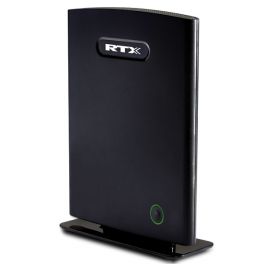
RTX8660 DECT Base Unit
IN STOCKBase unit for the RTX8630 DECT IP system- Base unit for RTX8630 system
- Combine with either RTX8830, RTX630 or RTX430 handsets
- DECT IP technology
- Powered through Ethernet cable
- Handsets not included
£159.99£134.99 £161.99 Incl. VATRef: RTX8660BASEEUCompare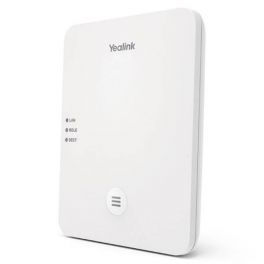
Yealink Base DECT W80DM
Multi-Cell IP DECT Wireless Base Station - ideal for pairing other Yealink W80 bases- Seamless roaming and delivery
- DECT radio coverage up to 50m indoors and 300m outdoors
- Up to 100 parallel calls
- Up to 30 base stations
- Supports LDAP/Remote Phone Book
- Supports XSI Directory
- Opus and PoE support
- Compatible with Yealink W56H and W53H (version x.83.0.20 or later)
IN STOCK5 of 1 Reviews£293.99£169.99 £203.99 Incl. VATRef: YEALINKW80DMCompare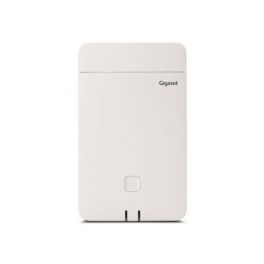
Gigaset N870 IP DECT Solution
IN STOCKMultilevel scalable IP DECT system for SMEs and large companies- Scalable multi-cell system to extend the range of your DECT phones
- Connection of up to 60 base stations and 250 terminals / users / SIP accounts
- Compatible with Gigaset Pro DECT telephone line
- Up to 60 parallel calls and 10 simultaneous calls per base station
£379.99 £455.99 Incl. VATRef: SIN870IPPROUKCompare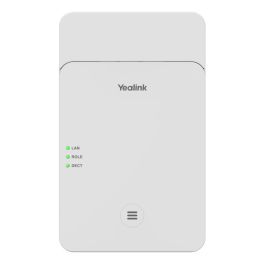
Yealink W75 Mini MC
IN STOCKMulti-cell DECT IP mini base station that extends your cordless coverage and simplifies your communications.- Compatibility: Yealink W56H, W57R, W59R, W71H, W73H, W74H, W78H
- Cordless IP DECT system
- Number of supported handsets: 20
- Up to 20 simultaneous calls
- Up to 3 base stations
- High-quality VoIP audio (wideband)
- DECT coverage: 50 m indoors and 300 m outdoors
- PoE support
£98.99 £118.79 Incl. VATRef: YEAW75MIMCCompare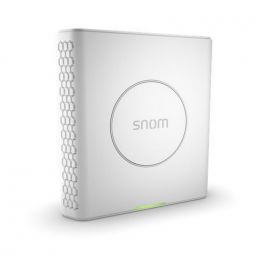
SNOM M900 DECT Base
IN STOCKScalable multi-cell DECT base station.- IP DECT base adaptable to your structure
- Up to 4000 networked bases
- Up to 16,000 networked cordless phones
- 8 simultaneous calls per base
- Automatic DECT + LAN synchronisation
- Enables solutions for extending the network and phone range
- Compatible with all DECT cordless phones
- Integrated encryption
£372.44£276.99 £332.39 Incl. VATRef: SMM900Compare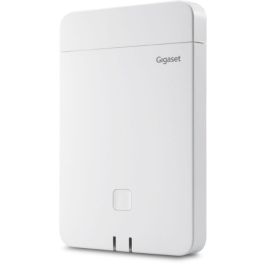
GIGASET N670 DECT IP (Open Box)
Out of stockExpandable VoIP DECT telephony system- Single-cell IP DECT system
- Up to 20 DECT terminals
- Up to 8 simultaneous voice calls
- Advanced application and data integration
- Power over Ethernet (PoE)
- Compatible with all Gigaset Professional Terminals
£95.99 £115.19 Incl. VATRef: RSIN670IPUKCompare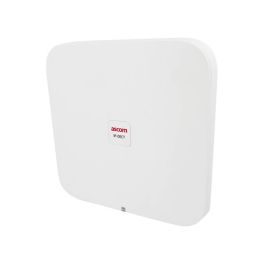
Ascom IPBS3-A4 DECT Base Station
Call us for availabilityDiscover unmatched connectivity with the IPBS3-A4!- Enhanced Signal Quality with multiple antenna options ensures stable communication.
- Secure Communication through SRTP and TLS protocols protects your data.
- Seamless Roaming allows uninterrupted service across different locations.
- Ethernet Connectivity enables simple LAN integration for easy setup.
- Impressive Capacity supports up to 8 simultaneous calls for efficient communication.
£604.99 £725.99 Incl. VATRef: ASIPBS3A4Compare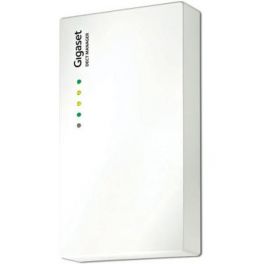
Gigaset PRO N720IP base
Call us for availabilityThe IP DECT solution to cover up to 700m²- The N720IP antenna is part of the Gigaset PRO solution to extend the range of your Dect phones in your office
- Connection of up to 20 base stations and 100 terminals
- PoE
- Compatible with the latest generation of Gigaset terminals
- HD sound
- Up to 30 simultaneous and 8 simultaneous calls per base station
- Requires previous installation of the MASTER N720 DM unit
£375.99 £451.19 Incl. VATRef: SIN720IPPROUKCompare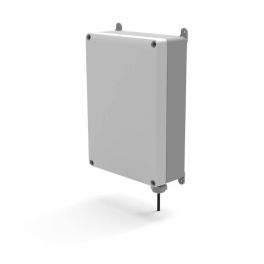
SNOM M900 Outdoor DECT Base
Call us for availabilityA scalable multi-cell DECT base station with IP55 certified protective housing.- IP55 Certified Protective Housing
- Range of up to 50 m indoors and 300 m outdoors
- UV, impact and water protection
- Up to 4000 networked bases
- Up to 16,000 networked cordless phones
£588.33£416.99 £500.39 Incl. VATRef: SMM900OCompare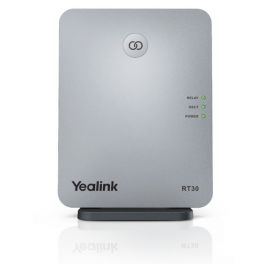
Yealink RT30 DECT Repeater for IP Systems
IN STOCKProfessional DECT repeater designed to extend wireless coverage of Yealink DECT IP systems in offices, warehouses and large business environments.- Extended DECT coverage: Expands wireless range in large or multi-floor business sites
- Seamless call continuity: Maintains stable voice quality without call drops
- Easy system integration: Designed for Yealink DECT IP base stations
- Wireless installation: No Ethernet connection required for flexible placement
- Professional-grade reliability: Built for continuous operation in business environments
£89.99 £107.99 Incl. VATRef: YEALINKRT30Compare
DECT Base Stations: The Centre of Your Business Communications
DECT base stations are the heart of modern cordless communication systems for businesses. These state-of-the-art devices enable seamless, interference-free communication in complex corporate environments. At Onedirect you’ll find high-quality base stations from leading manufacturers such as Gigaset, perfectly matched to the demands of professional telephone systems.
How they work and technical specifications
A DECT base station acts as the intermediary between cordless handsets and your existing telephone system or VoIP network. It creates a radio network with a typical range of up to 50 metres indoors and up to 300 metres outdoors. Modern base stations support SIP protocols and integrate seamlessly into VoIP infrastructures.
Benefits of DECT base stations for your business
- Maximum range and signal stability: Our DECT base stations guarantee outstanding radio coverage of up to 300 metres indoors and 50 metres outdoors, without loss of quality or interference.
- Highly secure communications infrastructure: With built-in encryption technologies and DECT standard security protocols, these base stations protect your sensitive business calls against unauthorised access and eavesdropping.
- Multifunctional connectivity: Effortless integration with existing IP telephone systems, support for various endpoints and simultaneous multiple connections without performance degradation.
- Energy-efficient technology: Modern DECT base stations consume up to 60% less energy compared with older communication systems, contributing to your company’s sustainability.
- Scalable infrastructure: Easily expandable thanks to modular system architecture that adapts flexibly to your organisation’s growing communication needs.
- Crystal-clear voice quality: Advanced audio technologies ensure excellent clarity, minimal interference and optimal intelligibility across all areas of the business.
- Intelligent resource management: Automatic frequency management and smart signal transmission maximise the efficiency of cordless communications and reduce interference.
- Future-ready solution: Compatible with the latest telecoms standards and prepared for future technological innovations in the enterprise environment.
Radiation exposure: low emissions by comparison
DECT base stations operate with significantly lower emissions than many other radio technologies. Adaptive transmit power automatically adjusts to the required range, minimising exposure. Studies confirm that DECT devices remain well below legal limits.
DECT vs Wi-Fi: the right choice for your telephony
While Wi-Fi was primarily designed for data transmission, DECT is optimised specifically for voice. DECT delivers more consistent connection quality, longer handset battery life and less interference with other radio technologies. For professional telephony, DECT is often the better choice versus Wi-Fi-based solutions.
Frequently asked questions (FAQ) about DECT base stations
1. How many handsets can be registered to a DECT base station?
Most DECT base stations support 4-6 handsets simultaneously. Professional models can often manage 8 or more phones. The exact number depends on the model.
2. What is the practical range of DECT base stations?
Indoors, DECT base stations typically achieve 30–50 metres; outdoors, up to 300 metres. Walls and other obstacles can reduce range.
3. Can I extend my existing telephone system with DECT?
Yes. Most modern telephone systems can be expanded easily with DECT base stations. Many models support both analogue and SIP/VoIP connections.
4. Are DECT and GAP the same thing?
No. DECT is the overarching technology standard, while GAP (Generic Access Profile) is a compatibility profile within DECT that ensures interoperability between different manufacturers.
5. How resistant is DECT to interference from other wireless technologies?
DECT is highly resilient because it uses a dedicated frequency band (1.88–1.90 GHz) and automatic frequency selection. Interference with Wi-Fi or Bluetooth is virtually eliminated.
6. Does a DECT station need an internet connection?
No internet connection is required for basic DECT functions. An internet connection is only needed for VoIP/SIP integration or advanced features such as firmware updates.
7. How energy-efficient is a modern DECT base station?
Current DECT base stations are very efficient and automatically reduce transmit power over short distances. Many models offer eco modes for additional energy savings.
8. Can multiple DECT base stations work together?
Yes. With DECT repeaters or multi-cell systems, multiple base stations can be networked to cover larger areas and enable seamless roaming between cells.