My Cart



Digital Signage
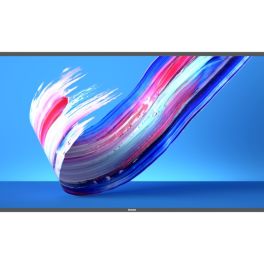
Philips 43BDL3650Q
Call us for availabilityProfessional 43-inch digital signage display with stunning Full HD quality, Android 10 intelligence, and reliable 18/7 operation for impactful business communication.- 43-inch Full HD Display: Crystal clear LCD screen with 400 cd/m² brightness for vivid content in any lighting
- Android 10 Powered: Built-in processor and OS for smart content management and apps
- 18/7 Operation: Reliable performance for extended daily use in professional environments
- Wireless Connectivity: Built-in Wi-Fi for easy content updates and remote management
- Flexible Installation: Support for both horizontal and vertical mounting with VESA compatibility
- Fail-Safe Content: Automatic backup content playback system prevents blank screens
- Multiple Input Options: HDMI, DVI, USB, and RS-232 ports for versatile connectivity
- Cloud Management: Remote control and content management via Wave cloud platform
£829.99£692.99 £831.59 Incl. VATRef: PH43BDL3650QCompare
Philips 75BDL3650Q
IN STOCK75" 4K professional digital signage display with Android 10, perfect for 18/7 visual communication with excellent image quality and Wi-Fi connectivity.- 75" 4K LCD display with Ultra HD 3840 x 2160 resolution for crisp, detailed images
- Built-in Android 10 processor for smart content and app management
- 18/7 operation ideal for intensive use in commercial environments
- 400 cd/m² brightness for excellent visibility even in well-lit spaces
- Integrated Wi-Fi connectivity for easy remote management
- 20W audio system with built-in speakers for a complete multimedia experience
- Multiple ports including HDMI, DVI, USB and Ethernet for maximum versatility
- Flexible mounting compatible with VESA 600 x 400 mm for vertical or horizontal installation
£2,239.99£1,752.99 £2,103.59 Incl. VATRef: PH75BDL3650QCompare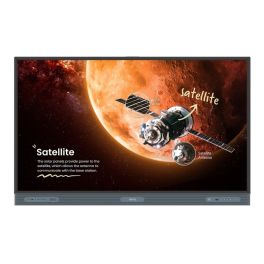
BenQ RP7504 Display
Call us for availability75'' 4K interactive display built for smarter teaching and teamwork, featuring advanced touch precision, health-conscious design, and seamless connectivity.- 75'' 4K UHD (3840 × 2160) LED display
- Up to 50 touch points (Windows) / 32 (Android)
- Germ-resistant, anti-glare tempered glass
- Low Blue Light and Flicker-Free eye-care
- Built-in air ioniser and light sensors
- Android 13 system with 8GB RAM and 64GB storage
- Dual 20W speakers and 16W subwoofer
£3,145.99 £3,775.19 Incl. VATRef: BENQRP7504Compare
Samsung Video Wall VHR-R 55''
Call us for availability55" video wall with ultra-thin bezel, high brightness and 24/7 operation for uncompromising visual immersion.- Ultra-thin edges (0.44 mm): continuous visual effect
- 24/7 operation: certified for professional use
- Full HD (1920 × 1080) panel with high contrast
- 700 nits brightness: ideal for bright spaces
- Wide viewing angles (178°)
- Samsung Color Expert Pro: consistent colours
- Compatible with automatic calibration via external cameras
- Ideal for: retail, control rooms or corporate environments
£2,974.99£2,716.99 £3,260.39 Incl. VATRef: SAVH55RRCompare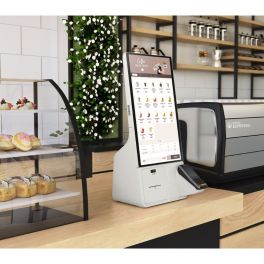
Samsung24 Inch Kiosk (Windows, Celeron) KMC-W
Call us for availability24" Full HD kiosk display with capacitive touch, Windows IoT, 16/7 operation, built-in SoC.- 4-inch Full HD (1920×1080) LED display
- Capacitive touchscreen, precise operation
- Windows 10 IoT Enterprise installed
- Intel Celeron SoC, 256 GB flash memory
- Brightness approx. 250 cd/m², ADS panel
- Viewing angle 178° horizontal & vertical
- Power consumption typ. ~88 W, standby ~0.5 W
- Vertical orientation, white kiosk design
£1,039.99 £1,247.99 Incl. VATRef: SAKM24CCCompare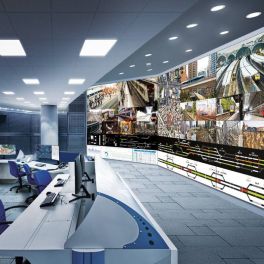
Samsung VH55C-R Video Wall
Call us for availability55" video wall, ultra-thin 0.88 mm bezel, 700 nits, IP5X, modern design and advanced calibration for demanding environments.- Ultra-thin bezel of just 0.88 mm between screens
- 700 nits brightness for 24/7 visibility
- Anti-glare panel for environments with ambient light
- Wide viewing angles for greater clarity
- Integrated image enhancement technology
- Modern design and depth of less than 70 mm
- IP5X-certified dust protection
- Advanced calibration with Colour Expert Pro Mobile
£2,596.99£2,449.99 £2,939.99 Incl. VATRef: SAVH55CRCompare
Samsung OH55DX Outdoor Display 55" 3500 nits
Call us for availability55-inch professional outdoor display with high brightness and IP56 protection, designed for continuous 24/7 outdoor signage in demanding commercial environments.- High brightness: 3500 cd/m² typical brightness with a 4000 cd/m² peak value
- IP56 protection rating provides robust protection against dust and water
- 24/7 operation with a wide operating temperature range (-30°C to 50°C)
- Full HD quality: LCD VA panel with a resolution of 1920 x 1080 pixels
- Tizen 8.0 operating system with Wi-Fi and dual Ethernet connectivity
- Two HDMI 2.0 ports, HDBaseT input, RS-232 and USB connections
- VESA 1186 x 560 mm
£7,004.99£4,330.99 £5,197.19 Incl. VATRef: SAOH55DXCompare
MAXHUB ND65CMB 65-inch 4K digital display
Call us for availability65-inch professional display for continuous digital signage, featuring 4K resolution, Android 14, 500 nits brightness and 24/7 operation.- 65-inch professional 4K display for digital signage in retail, business, hospitality and public spaces.
- 24/7 operation and a lifespan of over 50,000 hours for continuous use in demanding environments.
- 500 nits brightness and horizontal or vertical orientation to suit different content formats.
- Built-in Android 14 with 4 GB RAM and 32 GB storage for agile content management.
- Full professional connectivity with 3 HDMI ports, USB-C with video and 65W charging, LAN, RS232 and HDMI output.
- Remote sharing and management with MAXHUB Share, MAXHUB Pivot and BYOD compatibility.
- Compatible with Crestron, Q-SYS and Extron for easy integration into professional AV projects.
£1,085.99 £1,303.19 Incl. VATRef: MAXHND65CMBCompare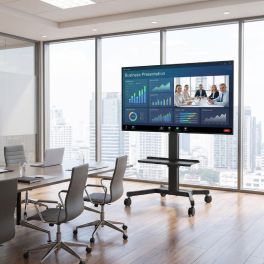
Pack Sony BRAVIA BZ40L 65-inch 4K Screen + Vision VFM-F22 stand
Call us for availabilityA 24/7 digital signage solution for professional environments, featuring a 65-inch high-brightness 4K Sony display and a Vision mobile stand with a large shelf and lockable castors.- Special professional display: 24/7 operation
- 65'' panel with 4K UHD resolution
- HDR technology: sharp, detailed images
- Compatibility: screens from 31 to 80 inches
- Maximum load capacity: 60kg
- VESA compatibility: 200x200, 200x400, 300x300, 300x400, 350x350, 400x200, 400x300, 400x400, 600x400mm
£2,199.99£1,891.48 £2,269.78 Incl. VATRef: SOFW65BZ40LSSCompare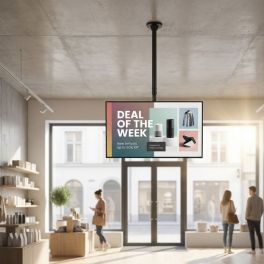
iiyama ProLite LH4360UHS-B2AG 43" Monitor + Neomounts FPMA-C340BLACK Ceiling Mount
43” iiyama display + Neomounts FPMA-C340BLACK ceiling mount: professional suspended installation for digital signage.- Stunning 4K Resolution: Experience vibrant visuals at 3840 x 2160 pixels.
- Bright Display: With 500 cd/m² brightness, your content shines in any lighting.
- 24/7 Operation: Designed for constant use, ideal for high-traffic environments.
- Fully adjustable ceiling mount for 32–75" screens
- Maximum load capacity: 50 kg
- Flexibly adjustable with 25° tilt, 360° swivel, 6° rotation
Call us for availability5.0 of 1 Reviews£552.69£505.35 £606.42 Incl. VATRef: IIYLH4360UHSB2AGSPLCompare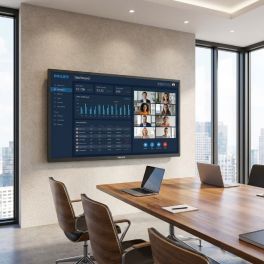
Philips D-Line 86BDL4511D 86-inch 4K TV
Call us for availability86-inch professional Ultra HD display designed for large-format digital signage, offering continuous operation, high visibility and centralised management.- 86" 4K professional display designed for large-scale installations
- 24/7 operation suitable for intensive use
- High brightness of 500 cd/m²: excellent content visibility
- Centralised CMND & Control management via LAN and RS232
- Integrated FailOver ensuring uninterrupted playback in the event of a failure
- USB multimedia playback with SmartPlayer
- Professional connectivity with HDMI 2.0, DisplayPort and OPS
£3,502.99£3,211.99 £3,854.39 Incl. VATRef: PH86BDL4511DCompare
Newline DV-13524-Plus 135" All-in-One LED Display
Call us for availabilityA 135-inch all-in-one LED display with Full HD resolution, Android 13, wireless collaboration and front-access maintenance for professional meeting and presentation spaces.- 135-inch all-in-one LED display designed for large meeting rooms, auditoriums and corporate spaces
- Full HD resolution with fine pixel pitch for clear and engaging visual communication
- Android 13 operating system with integrated wireless collaboration tools
- Newline Cast and Broadcast enable wireless screen sharing across multiple devices
- Front-access maintenance design simplifies servicing and reduces downtime
- Integrated speakers provide powerful audio without requiring external equipment
- Flexible installation and remote management for enterprise and educational environments
£31,042.99 £37,251.59 Incl. VATRef: NEWDV135UKCompare
Newline DSX-4326 43" 4K Digital Signage Display
Call us for availabilityA 43-inch 4K commercial display with 700-nit brightness, Android 14 and 24/7 operation, designed for professional digital signage applications.- 43-inch 4K UHD display designed specifically for digital signage and professional content delivery
- 700-nit high brightness ensures excellent visibility in brightly lit environments
- 24/7 operation for continuous performance in retail, hospitality and corporate settings
- Android 14 platform with integrated Newline Signage Pro support for content management
- Portrait and landscape orientation for flexible installation and communication strategies
- Wi-Fi 6, Bluetooth and HDMI Out for reliable connectivity and content mirroring
- RS232 control and LAN management simplify enterprise deployment and monitoring
£796.99 £956.39 Incl. VATRef: NEWDSX43UKCompare
Newline DSX-7526 75" 4K Digital Signage Display
Call us for availabilityA 75-inch 4K digital signage display with 700-nit brightness, Android 14 and 24/7 operation, designed for high-impact communication in professional environments.- 75-inch 4K UHD display designed for professional digital signage and visual communication
- 700-nit brightness delivers clear, vibrant content in bright commercial environments
- 24/7 operation ensures reliable performance for continuous content delivery
- Android 14 operating system with integrated Newline Signage Pro support
- Portrait and landscape installation adapts to a wide range of signage applications
- Wi-Fi 6, Bluetooth 5.2 and HDMI Out provide flexible connectivity options
- Remote management features including LAN, RS232, Wake-on-LAN and Wake-on-WiFi
£1,326.99 £1,592.39 Incl. VATRef: NEWDSX75UKCompare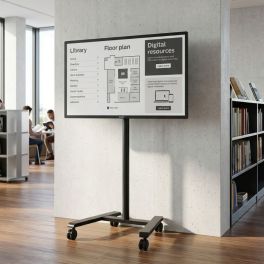
Pack Philips 5150I 32-inch ePaper Display + B-Tech BT7504 Mobile Stand
Call us for availabilityLow-energy digital display kit featuring a 32-inch Philips ePaper screen and a B-Tech BT7504 mobile floor stand – ideal for shops, reception areas and public spaces.- 32" colour ePaper display, ideal for replacing paper posters
- E Ink Spectra™ 6 technology displaying up to 65,000 vibrant colours
- Display with no continuous power consumption to reduce energy costs
- Mobile display trolley for screens up to 55 inches
- Maximum load capacity of 25 kg for small to medium-sized displays
- VESA compatibility up to 400 x 400 mm
£2,304.98£1,842.98 £2,211.58 Incl. VATRef: PH32BDL5150IBTSPCompare
Sony BRAVIA FWD-65XR8M2 65 Inch 4K Smart TV
Call us for availability65” 4K Smart TV with Google TV and Cognitive Processor XR, designed for professional environments requiring high image quality and smart content access.- 65” 4K UHD Smart TV with high-resolution display for professional and business use
- Cognitive Processor XR enhances contrast, colour and depth
- Google TV platform with apps, streaming and content access
- Built-in Chromecast for easy wireless content sharing
- Comprehensive connectivity including HDMI, USB, LAN and Wi-Fi
- Professional features for control and AV system integration
£3,799.95£3,222.99 £3,867.59 Incl. VATRef: SOFWD65XR8M2Compare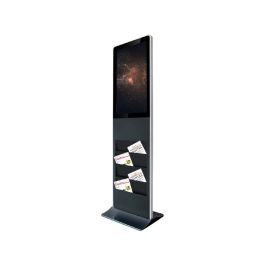
Kimex 32'' Touchscreen Video Totem
Call us for availability32" Full HD Indoor Touchscreen Totem with brochure holder, capacitive screen, 24/7 operation, and high-end robust design.
- 32" Full HD (1920x1080) capacitive touchscreen
- 500 cd/m² brightness for high indoor visibility
- 24/7 continuous operation with 50,000-hour lifespan
- Robust design made of steel, aluminium, and tempered glass
- Versatile connectivity: HDMI x2, Wi-Fi, USB touch
- Compatible with Android, Windows, and all operating systems
- Includes Mini PC mount and integrated brochure holder
- Touch response time ≤ 5ms for a smooth user experience
£1,119.99 £1,343.99 Incl. VATRef: KIM1613201TBCompare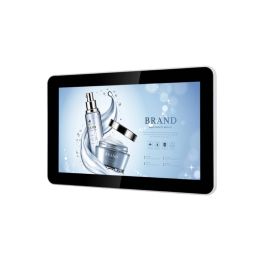
Kimex Tablet 10.1''
Call us for availabilityRobust 10.1" display for continuous operation with 350 cd/m² brightness – ideal for professional digital signage applications.- 10.1" WXGA screen for clear display
- 350 cd/m² brightness for good readability
- 1300:1 contrast ratio for vibrant images
- 24/7 operation for continuous use
- VESA 75x75 mm for flexible mounting
- Inputs: 2x HDMI, 1x VGA
- Integrated 2x10 W speakers
- Housing made of steel, aluminium, and tempered glass
£171.99 £206.39 Incl. VATRef: KIM160-1010Compare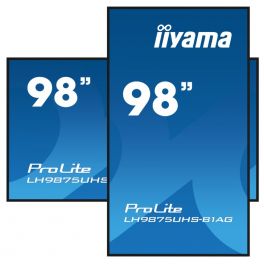
iiyama 98" LH9875UHS-B1AG Interactive Display
Call us for availabilityProfessional 4K monitor with Android 11, 4K resolution, speakers and dual portrait/landscape orientation - for 24/7 digital signage.- 4K monitor of 98'' with Android 11
- For dynamic display in professional environments
- 2 speakers of 16W each integrated
- FailOver : signal detection on input sources
- Continuous operation: 24/7
- Includes a complete connectivity system
- iiSignage2 : software for management and content creation
- Dual portrait and landscape orientation
£5,200.00£3,749.99 £4,499.99 Incl. VATRef: IIYLH9875UHSUKCompare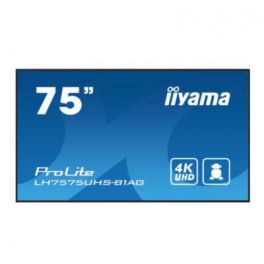
Iiyama ProLite LH7575UHS-B1AG | Screen
Call us for availabilityImmersive Visual Experience, Professional Performance- Exceptional Clarity: Immerse yourself in stunning 4K UHD resolution for detailed work tasks or cinematic entertainment.
- Versatile Connectivity: HDMI, DisplayPort, VGA, and USB inputs offer seamless connectivity with various devices for enhanced productivity.
- Professional Performance: Enjoy vibrant colors, wide viewing angles, and rapid response times for a smooth and immersive visual experience.
- Flexible Mounting: VESA mount compatibility allows you to optimize your workspace layout for improved productivity.
- Intelligent Integration: Seamlessly integrate the display into your AV setups with RS-232C control, providing ease of operation in complex installations.
£1,415.00£1,319.99 £1,583.99 Incl. VATRef: IIYLH7575UHSUKCompare
Samsung OH46DX Outdoor Display 46" 3500 nits
Call us for availability46-inch professional display for outdoor signage with high brightness, IP56 protection and continuous 24/7 operation in demanding environments.- Brightness of 3500 cd/m² ensures excellent readability in bright outdoor conditions
- IP56 weather protection: dustproof and waterproof design
- 24/7 commercial operation: designed for continuous use in demanding applications
- Integrated Tizen platform
- Dual HDMI, Ethernet, Wi-Fi, Bluetooth, USB, RS-232, and HDBaseT
- Reliable operation in temperatures from -30°C to 50°C
- VESA-compatible mounting: 995 x 500 mm
£5,253.99£3,550.99 £4,261.19 Incl. VATRef: SAOH46DXCompare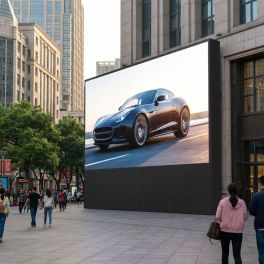
Samsung VMR-O Outdoor LED P3.9
Call us for availabilityProfessional outdoor LED screen with 3.9 mm pixel pitch, designed for large-format fixed installations with high visibility and continuous 24/7 use.- Professional outdoor LED screen designed for fixed installations
- 3.9 mm pixel pitch ideal for medium and long-distance viewing
- High brightness level for optimal visibility in outdoor environments
- Modular design allowing the creation of large-format custom screens
- 24/7 continuous operation for professional digital signage
- Robust construction designed for intensive outdoor use
£4,377.99 £5,253.59 Incl. VATRef: SAVM039ROCompare
ViewSonic TD2423 24-inch Full HD touchscreen
Call us for availability24-inch Full HD touchscreen with 10-point capacitive multi-touch functionality, a robust design and flexible connectivity options for interactive applications.- Applications: point-of-sale systems, interactive kiosks and interactive applications
- 24-inch touchscreen with a resolution of 1920 x 1080
- 10-point touch technology: precise and responsive operation
- Robust design with a scratch-resistant surface
- Connections: HDMI, DisplayPort and USB
- Ergonomic stand with tilt function
£305.99 £367.19 Incl. VATRef: VSTD2423Compare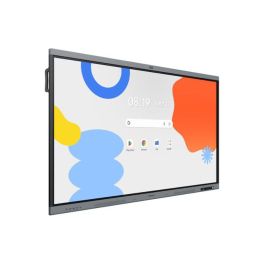
Samsung WA86FX-P 86 inch 4K Interactive Display
Call us for availability86-inch interactive display for education and business, featuring 4K resolution, multi-touch and built-in collaboration tools for efficient teamwork.- 86" 4K UHD display: Clear display of content for presentations and lessons
- Multi-touch technology: Simultaneous use by multiple people
- Integrated Android system: Direct access to apps and whiteboard functions
- Screen sharing: Wireless content transmission from multiple devices
- Writing and annotation tools: Intuitive real-time collaboration
- Robust design: For intensive use in schools and businesses
£4,377.99£2,614.99 £3,137.99 Incl. VATRef: SALH86WAFPLGCXENCompare- Back to WorkPromotional price valid until 25/09/2026.
Extra discount: £25 off orders over £400 with BACK25
£50 off orders over £700 with BACK50
£80 off orders over £1,000 with BACK80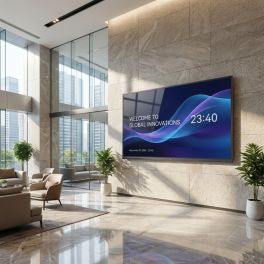
MAXHUB ND75CMB 75-inch 4K digital display
Call us for availabilityA 75-inch professional 4K display designed for 24/7 continuous operation, hybrid meetings and digital signage, featuring high brightness and advanced connectivity.- Digital signage for retail, business, hospitality and public spaces
- 75-inch 4K UHD screen: precise professional display
- 24/7 operation
- 500 nits brightness and anti-glare coating
- Wireless sharing and BYOD via USB-C, dongle or Miracast, AirPlay and Chromecast
- Microsoft Teams Rooms compatibility with dedicated meeting mode
- Connectivity: HDMI, USB-C, dual Ethernet and RS-232/IP control
- Centralised CMS management compatible with MAXHUB Pivot, Goodview and third-party platforms
£1,505.99 £1,807.19 Incl. VATRef: MAXND75CMBCompare 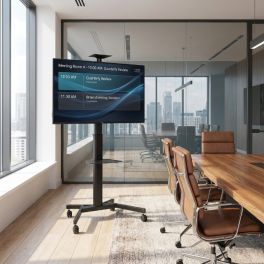
Pack iiyama ProLite LH4360UHS-B2AG 43-inch 4K Display + Vision VFM-F19 mobile stand
Call us for availabilityA package designed for professional 24/7 digital signage, featuring a 43-inch iiyama 4K display with portrait/landscape orientation and a Vision mobile stand with dual shelves and adjustable height.- Stunning 4K Resolution: Experience vibrant visuals at 3840 x 2160 pixels.
- Bright Display: With 500 cd/m² brightness, your content shines in any lighting.
- 24/7 Operation: Designed for constant use, ideal for high-traffic environments.
- Compatibility: screens from 31" to 80"
- Maximum load capacity: 50kg
- VESA compatibility: 200x200, 200x400, 300x300, 300x400, 350x350, 400x200, 400x300, 400x400, 600x400mm
£942.99£777.92 £933.50 Incl. VATRef: IIYLH4360UHSB2AGSSCompare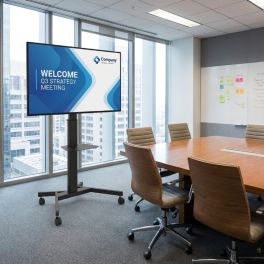
Pack iiyama LH5560UHS-B2AG 55-inch 4K Display + Vision VFM-F19 stand
Call us for availabilityA package designed for professional 24/7 digital signage, featuring a 55-inch iiyama 4K display with portrait/landscape orientation and a Vision mobile stand with dual shelves and adjustable height.- Usage: indoor digital signage
- Android 11: display without an external PC
- 55'' 4K UHD screen (3840 x 2160)
- Compatibility: screens from 31" to 80"
- Maximum load capacity: 50kg
- VESA compatibility: 200x200, 200x400, 300x300, 300x400, 350x350, 400x200, 400x300, 400x400, 600x400mm
£1,132.99£956.40 £1,147.68 Incl. VATRef: IIYLH5560UHSB2ASSCompare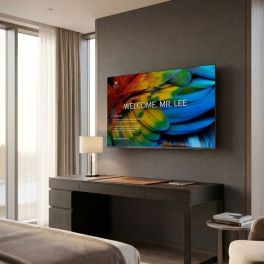
Philips 58HFL6214U Professional 4K Android Display
Call us for availability58-inch professional display with Android TV, built-in Chromecast and advanced remote management, designed for hotels, care homes, hospitals and corporate environments.- 58-inch 4K Ultra HD LED screen: crisp images and exceptional detail
- Built-in Android TV with access to the Google Play Store and business apps
- Built-in Chromecast: wireless sharing from smartphones, tablets and PCs
- Centralised remote management via CMND & Control, AppControl
- Customisable interface with logos, corporate colours and messages
- Extensive connectivity: Wi-Fi, Ethernet, HDMI 2.0, USB 3.0
£964.69£848.99 £1,018.79 Incl. VATRef: PH58HFL6214UTVCompare
Philips 37BDL3050S 32:9 Stretch Signage Display
Call us for availabilityA 37" professional widescreen display with a 32:9 aspect ratio, 700 cd/m² brightness and 24/7 operation for digital signage in confined spaces.- 37" Stretch display with a 32:9 widescreen aspect ratio for high-impact digital signage.
- 1920 x 540 resolution optimised to display more information in less space.
- 700 cd/m² brightness for excellent visibility in bright environments.
- Built-in Android 8 to run applications and manage content directly from the screen.
- 24/7 operation designed for continuous digital signage applications.
- HDMI daisy chain connection to easily create multi-screen setups.
- Built-in media player with content playback from USB.
£1,108.99 £1,330.79 Incl. VATRef: PH37BDL3050SCompare
Newline STV-11524-Plus 115" 4K Smart Display
Call us for availabilityA 115-inch 4K commercial display with Android 14, wireless casting, 24/7 operation and enterprise management tools for large professional environments.- 115-inch 4K UHD display for impactful presentations, digital signage and large meeting spaces
- Android 14 operating system with enhanced performance, security and connectivity
- Newline Cast and Broadcast for wireless content sharing from Windows, macOS, Android and iOS devices
- 24/7 continuous operation designed for demanding professional environments
- Wide 178° viewing angle and high colour accuracy for clear visibility across large rooms
- Remote management features including IP Control, Wake-on-LAN and Wake-on-WiFi
- Integrated speakers and versatile connectivity for easy deployment in corporate and public spaces
£13,277.99 £15,933.59 Incl. VATRef: NEWSTV115UKCompare
Newline DV-18924-Plus 189" All-in-One LED Display
Call us for availabilityA 189-inch all-in-one LED display with Full HD resolution, Android 13, wireless collaboration and front-access maintenance for large-scale professional presentations.- 189-inch all-in-one LED display designed for auditoriums, conference centres and large corporate spaces
- Full HD resolution with fine-pitch LED technology for clear and immersive viewing
- Android 13 operating system delivers a modern and intuitive user experience
- Newline Cast and Broadcast enable wireless content sharing from multiple device platforms
- Front-access maintenance design simplifies servicing and reduces downtime
- Integrated speakers provide powerful audio for presentations and events
- Professional connectivity and remote management support enterprise deployment and administration
£40,486.99 £48,584.39 Incl. VATRef: NEWDV189UKCompare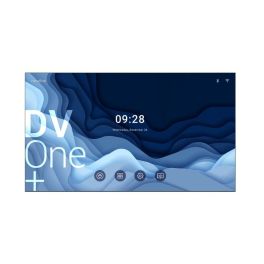
Newline DV-21624-Plus 216" All-in-One LED Display
Call us for availabilityA 216-inch all-in-one LED display with Full HD resolution, Android 13, wireless collaboration and front-access maintenance for large-scale professional communication.- 216-inch all-in-one LED display designed for auditoriums, conference venues and large corporate environments
- Full HD resolution with fine-pitch LED technology for detailed and immersive visuals
- Android 13 operating system delivers a modern and intuitive collaboration experience
- Newline Cast and Broadcast support wireless screen sharing from multiple device platforms
- Front-access maintenance design enables simplified servicing and reduced downtime
- Integrated speakers provide powerful audio for presentations and events
- Professional connectivity and remote management for seamless enterprise integration
£56,429.99 £67,715.99 Incl. VATRef: NEWDV215UKCompare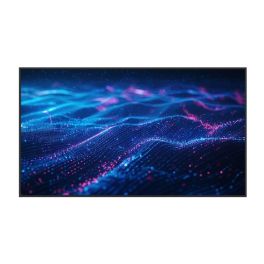
Newline DSX-5526 55" 4K Digital Signage Display
Call us for availabilityA 55-inch 4K digital signage display with 700-nit brightness, Android 14 and 24/7 operation, built for professional content delivery in commercial environments.- 55-inch 4K UHD display designed for professional digital signage and visual communication
- 700-nit brightness delivers clear and vibrant content in high-visibility environments
- 24/7 continuous operation for reliable performance in commercial installations
- Android 14 operating system with integrated Newline Signage Pro platform
- Portrait and landscape support for flexible deployment across multiple applications
- Wi-Fi 6, Bluetooth 5.2 and HDMI Out enable seamless connectivity and content distribution
- Advanced remote management features including LAN, RS232, Wake-on-LAN and Wake-on-WiFi
£928.99 £1,114.79 Incl. VATRef: NEWDSX55UKCompare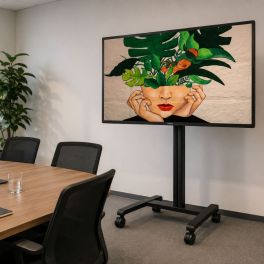
Pack Philips D-Line 43-inch Display + B-Tech BT7504 Mobile Stand
Call us for availabilityA complete set comprising a 43-inch Philips 4K digital display and a B-Tech mobile trolley – ideal for flexible presentations and professional digital signage applications.- 43" 4K professional display for continuous digital signage
- High brightness (500 cd/m²) with 178° wide-angle ADS panel
- 24/7 operation in landscape or portrait mode
- Mobile display trolley for screens up to 55 inches
- Maximum load capacity of 25 kg for small to medium-sized displays
- VESA compatibility up to 400 x 400 mm
£1,032.98£869.10 £1,042.92 Incl. VATRef: PH43BDL4511DBTSPCompare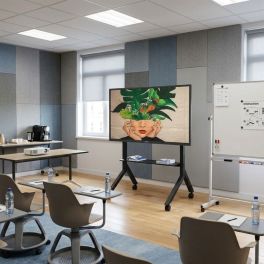
Pack Philips D-Line 75-inch 4K Display + B-Tech BT8545 Mobile Stand
Call us for availabilityA complete set comprising a 75" Philips D-Line 4K digital signage display and a B-Tech BT8545 mobile display trolley – ideal for large conference rooms and professional presentations.- 75" 4K professional display designed for high-traffic display environments
- Wide-angle ADS panel: optimal visibility and consistent colours
- 24/7 continuous operation in landscape or portrait mode
- Professional mobile stand for interactive screens and displays from 55" to 86"
- Maximum capacity of 100 kg for touchscreens and digital signage
- VESA compatibility up to 900x600 for professional AV installations
£2,587.98£2,315.37 £2,778.44 Incl. VATRef: PH75BDL465BTSPCompare
iiyama ProLite TN6505A 65 inch 4K Touch
Call us for availabilityProfessional 65-inch 4K touchscreen display without an operating system, featuring 40 touch points, USB-C and an OPS slot, designed for controlled IT environments.- 64.5-inch 4K UHD touchscreen for presentations, collaboration and interactive applications.
- Without an integrated operating system for high levels of IT control, easy management and security-critical environments.
- DeepContrast-IR+ touch technology with up to 40 touch points and an accuracy of ± 1 mm.
- Bright IPS panel with 500 cd/m², anti-reflective coating and antibacterial coating.
- USB-C port with 65 W for video, data, touch control and power delivery via a single cable.
- OPS slot compliant with the Intel OPS80 standard for flexible integration of a compatible plug-in PC.
- Extensive connectivity with HDMI, DisplayPort, VGA, USB-C, LAN, RS-232C and built-in speakers.
£1,372.99 £1,647.59 Incl. VATRef: IIYTN6505AB1AGCompare
iiyama ProLite T1732MSC-B1S
Call us for availability17" PC monitor with touchscreen capabilities and tilt options, perfect for all office tasks.- 43cm (17") PC monitor
- 5:4 display with 1280 x 1024px resolution
- 10-point touchscreen technology
- Scratch-resistant screen
- Two 1W speakers
- HDMI, DisplayPort, VGA, mini-jack: full connectivity
- Tiltable 90° forwards and 5° backwards
£350.00£349.99 £419.99 Incl. VATRef: IIYT1732MSCB1SCompare
PHILIPS 75BDL4003H
Call us for availability75-inch digital signage display with high brightness (3000 cd/m²), designed for 24/7 use in bright environments such as shop windows, retail outlets and public spaces.- 75" Ultra HD 4K display for crisp, detailed images
- 3000 cd/m² brightness ideal for very bright environments
- 24/7 operation for continuous professional applications
- IPS panel with a wide 178° viewing angle
- Integrated OPS slot for PCs and Android modules
- Automatic failover for content continuity
- Remote control and network management via LAN, RS232 and IR
£7,060.89£6,042.99 £7,251.59 Incl. VATRef: PH75BDL4003HCompare
iiyama T4362AS-B1
Call us for availabilityInteractive Signage Display for Modern Environments- Interactive flat panel design
- 4K Ultra HD resolution (3840 x 2160)
- 42.5" (108 cm) IPS display with 500 cd/m² brightness
- 24/7 operational capacity
- Multi-touch PCAP touchscreen technology
- Built-in Android 8.0 processor
- Seamless integration in vertical and horizontal orientations
£1,006.99 £1,208.39 Incl. VATRef: IIYT4362ASCompare
iiyama ProLite TF2234MC-B7X 21.5'' Touchscreen Monitor
Call us for availabilityElevate your interaction with the iiyama touch monitor.- Engaging Touch Experience - Multi-user capabilities enhance interactivity.
- Sharp Full HD Display - 1920 x 1080 resolution delivers vibrant visuals.
- Durable Scratch Resistance - Glass overlay ensures longevity and clarity.
- Robust IP65 Rating - Dust and water resistance for reliable usage in various environments.
- Versatile Connectivity Options - Features multiple ports including HDMI and DisplayPort for broad compatibility.
£462.37£393.99 £472.79 Incl. VATRef: IIYTF2234MB7XCompare
Characteristics and Core Functions
Digital signage represents a shift from static communication to dynamic, centrally managed content delivery. These professional advertising screens are designed for continuous commercial use, delivering vivid imagery and reliable performance in environments where visibility and uptime are critical. Digital signage solutions allow organisations to update messaging in real time, adapt content to context, and create consistent communication across multiple locations.
| Continuous 24/7 Operation | Commercial-grade thermal management and components ensure reliable performance during extended operating hours. |
| High Brightness and Readability | Elevated luminance maintains content clarity in brightly lit retail spaces, transport hubs, and window-facing installations. |
| LED / LCD / OLED Technology | Different panel technologies support specific needs: LED for brightness, OLED for contrast, LCD for cost-effective scalability. |
| Remote Management and Connectivity | Cloud-based platforms enable central scheduling, monitoring, and instant content updates across distributed networks. |
| Flexibility of Formats and Sizes | Wide choice of sizes, orientations, and aspect ratios accommodates architectural constraints and creative layouts. |
| Wide Viewing Angles | Consistent colour and brightness across broad angles maximises visibility for passing audiences. |
| Energy Efficiency | Optimised power consumption reduces operating costs while supporting sustainability goals. |
How to Select the Right Display for Your Requirements
- OKOperational Duration and Environment: Determine whether your application requires 16/7 or 24/7 operation and select displays designed for that duty cycle.
- OKContent Complexity and Resolution: Video-heavy or visually rich content benefits from 4K resolution, while text-based messaging often performs well at Full HD.
- OKInstallation Context and Brightness: Window-facing or high-ambient-light areas typically require 1000+ nits, while interior locations function effectively at 400–700 nits.
- OKNetwork Infrastructure and Management: Ensure compatibility with your content management system, network security policies, and preferred control platforms.
- OKInteractivity Requirements: Touch-enabled displays enhance engagement in retail, hospitality, and information-point applications.
- OKScalability and Future Expansion: Standardised models and mounting solutions simplify future rollouts and multi-site consistency.
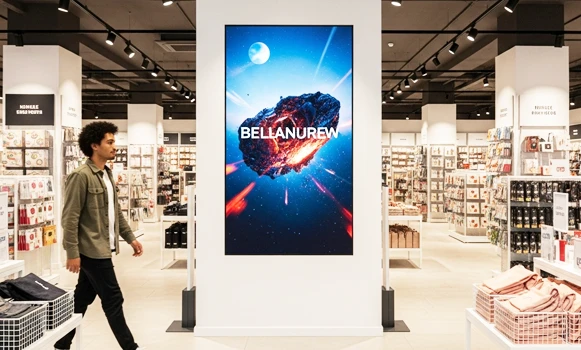
Applications Across Professional Environments
Retail and advertising environments rely heavily on digital signage to influence customer behaviour. Dynamic content showcases promotions, highlights product features, and adapts messaging throughout the day to maximise relevance and impact.
Public information systems benefit from real-time updates. Transport hubs communicate schedules, delays, and wayfinding information, while healthcare facilities display queue management, guidance, and patient information.
Corporate organisations use internal digital signage networks to reinforce culture, share KPIs, broadcast announcements, and communicate across multiple offices instantly, particularly during critical situations.
Why Partner with Onedirect?
Onedirect delivers end-to-end digital signage solutions supported by technical expertise and dependable logistics. Permanent stock availability prevents delays, while rapid delivery helps keep installation schedules on track. As an authorised distributor of Samsung, LG, Philips, Sony, and Iiyama, we supply genuine products backed by full manufacturer warranties.
Our specialist consultation services support you throughout selection and planning, whether deploying a single screen or rolling out a nationwide signage network. Beyond installation, our after-sales support ensures long-term reliability across the lifecycle of your digital signage investment.
FAQ – Frequently Asked Questions
What is digital signage used for?
Digital signage is used to display dynamic content such as advertising, promotions, wayfinding, schedules, and internal communications. It allows organisations to update messaging remotely and adapt content in real time across one or multiple locations.
Do digital signage displays need to run 24/7?
Not always. Many applications operate effectively on a 16/7 schedule, such as offices or retail stores with defined opening hours. Transport hubs, hospitals, and window displays often require 24/7-rated screens for continuous operation.
What brightness level is recommended for digital signage?
Indoor signage typically requires 400–700 nits, while window-facing or brightly lit areas often need 1000 nits or more. Outdoor-adjacent or direct-sunlight installations demand significantly higher brightness.
Can digital signage be managed remotely?
Yes. Most professional digital signage displays support remote management through LAN or WiFi connections, enabling centralised content updates, scheduling, monitoring, and troubleshooting.
Is touch functionality necessary for digital signage?
Touch is optional and depends on the use case. Informational signage may not require interaction, while retail, hospitality, and wayfinding applications often benefit from touch-enabled displays to improve engagement.
Related Resources
Indoor Displays Icon Outdoor Displays Icon Digital Window Displays Icon
Show more filters