
My Cart



Call center headset comparison
Headsets for call centers:
Jabra vs Poly vs Yealink
Choosing a call center headset means considering the essentials for intensive use: comfort, noise reduction and connectivity.
Jabra, Poly and Yealink offer different options for every need.
In this guide, we help you find the most suitable option for your team.



What should a good call center headset offer?
Call center headsets are used for many hours, often in spaces where several conversations take place at the same time. That is why three factors are particularly important.

Comfort throughout the working day
#comfort#intensive use
For prolonged use, look for comfortable work headsets with a lightweight, adjustable design, comfortable ear cushions and good weight distribution. This helps reduce pressure and maintain comfort throughout the working day.
Mono headsets: Leave one ear free and allow you to stay aware of your surroundings.
Duo: Cover both ears and help improve concentration in open or noisy environments.

Noise reduction for clearer calls
#noise cancellation#clear calls
Microphone noise cancellation should not be confused with ANC. In a call center, a good noise-reducing microphone is particularly important for maintaining clear conversations.
Noise-cancelling microphone: Reduces the background noise heard by the person on the other end of the call.
ANC: Reduces the noise heard by the agent and helps them stay focused.

Connectivity adapted to each workstation
#connectivity#flexibility
The right connection depends on the workstation, the agent's mobility and the devices they use.
Wired USB: Ideal for fixed workstations: it provides a simple and stable connection without the need for a battery.
DECT: Designed for agents who need to move around and stay on the call away from their desk.
BLUETOOTH: Suitable for users who need to work with multiple devices, such as a PC and smartphone.
Jabra vs Poly vs Yealink: which brand should you choose?
There is no single best brand for every call center. Jabra stands out for its Engage range, designed for contact centers and intensive calling; Poly combines contact center solutions with unified communications; and Yealink offers a wide variety of configurations for different types of workstations.
| Criteria | Jabra | Poly | Yealink |
| Key strength | Design, comfort and performance for intensive calling | Centralised device management and administration | Competitive cost per workstation and a wide range of configurations |
| Connectivity | USB, DECT and Bluetooth | USB, DECT and Bluetooth | USB, DECT and Bluetooth |
| Key ranges | Engage / Evolve | EncorePro / Blackwire / Savi | UH / WH / BH |
| Ideal for | High call volumes and demanding environments | Companies with large headset fleets | Large-scale deployments and different budgets |

Jabra: design and comfort for intensive use
Jabra stands out for combining comfort, design and call quality, especially in workstations where headsets are used for a large part of the working day.
The Engage range is designed for high call-density environments, while Evolve combines professional communication and concentration, with wireless options and active noise cancellation.
JABRA HEADSETS 
Poly: device management and control for IT teams
Poly stands out in contact centres that need to manage large numbers of headsets centrally and integrate them with UC platforms such as Microsoft Teams or Zoom.
EncorePro is designed for wired workstations, Blackwire for USB environments and Savi for DECT mobility. With Poly Lens, IT teams can manage devices centrally.
POLY HEADSETS 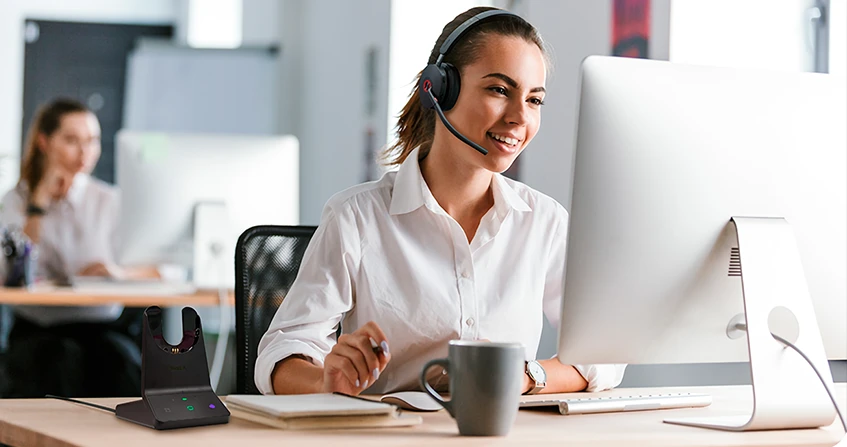
Yealink: flexibility and a competitive cost
Yealink offers a wide range of professional headsets with an affordable cost per workstation, making it a particularly attractive option for equipping large teams.
The UH range offers USB models for fixed workstations, the WH Series adds DECT technology for greater mobility and the BH range uses Bluetooth for working with multiple devices.
YEALINK HEADSETSWhich headsets should you choose based on your needs?
Now that you know the differences between the three brands, compare which models are best suited to each type of workstation.
| If you are looking for... | Prioritise... | Jabra | Poly | Yealink |
| Fixed workstation with a high volume of calls | USB + noise-reducing microphone |
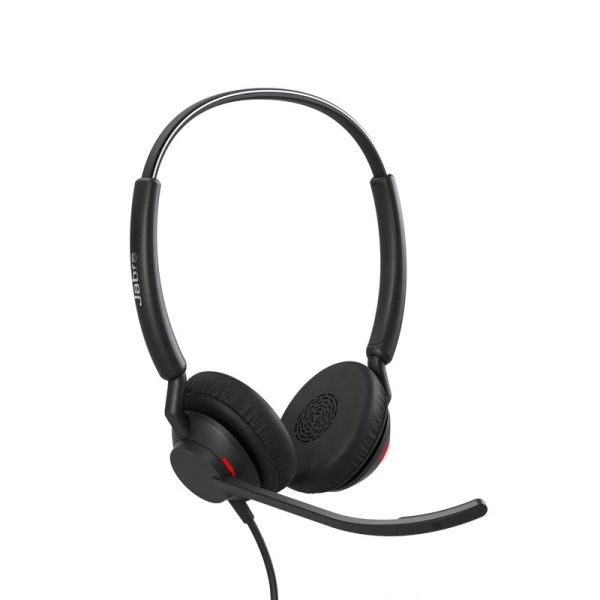
Jabra Engage 40 - USB-A UC Stereo |
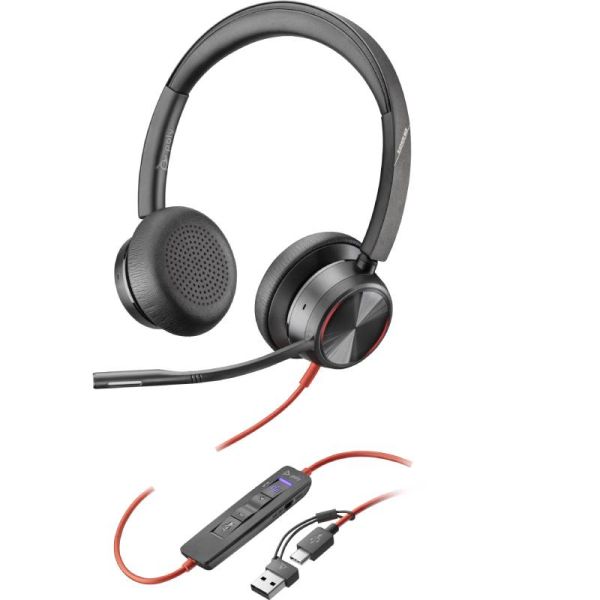
Poly EncorePro 520 Digital Duo NC |
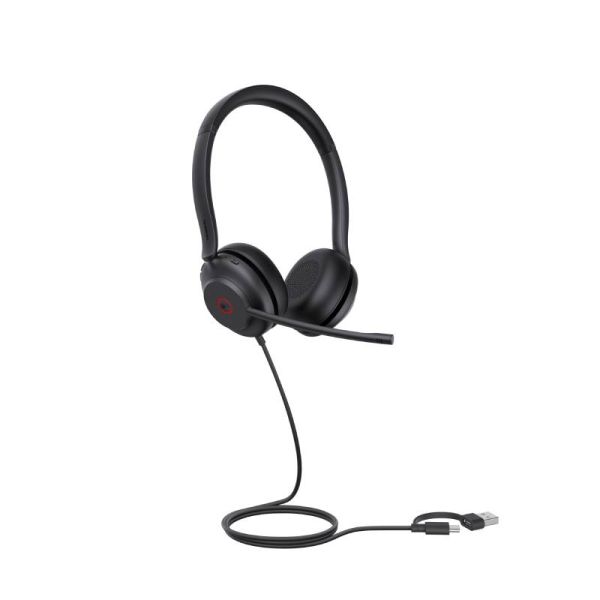
Yealink UH35 Dual USB-C/A |
| Maximum concentration in noisy environments | Duo + noise reduction / ANC |
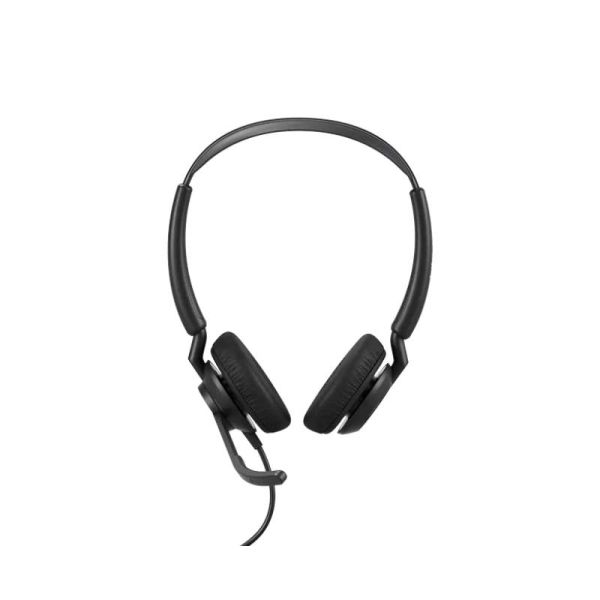 Jabra Engage 50 II UC Stereo USB-A/C £234.99 £281.99 Incl. VAT |
Poly Blackwire 8225M USB-C + Adapter USB-A |
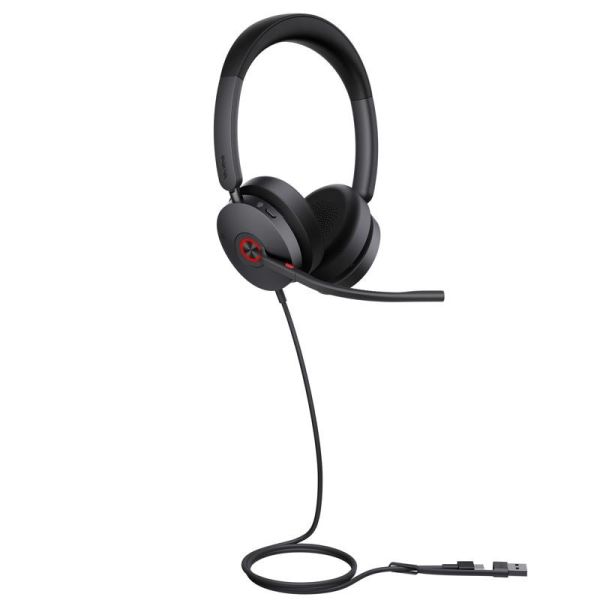
Yealink UH48 Dual Teams USB-C/A Headset |
| Greater freedom of movement | DECT |
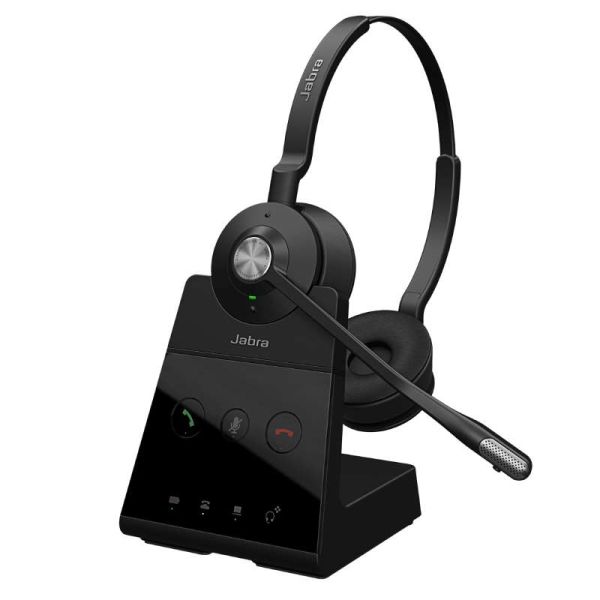 Jabra Engage 65 SE Duo £421.99 £506.39 Incl. VAT |
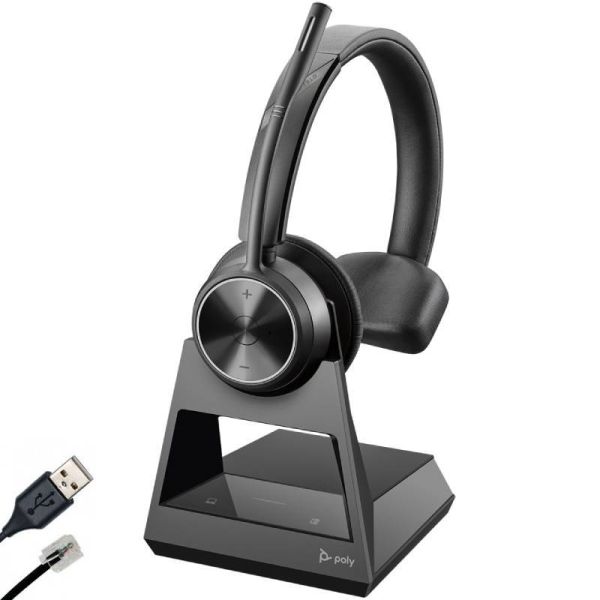
Poly Savi 7310 Office |
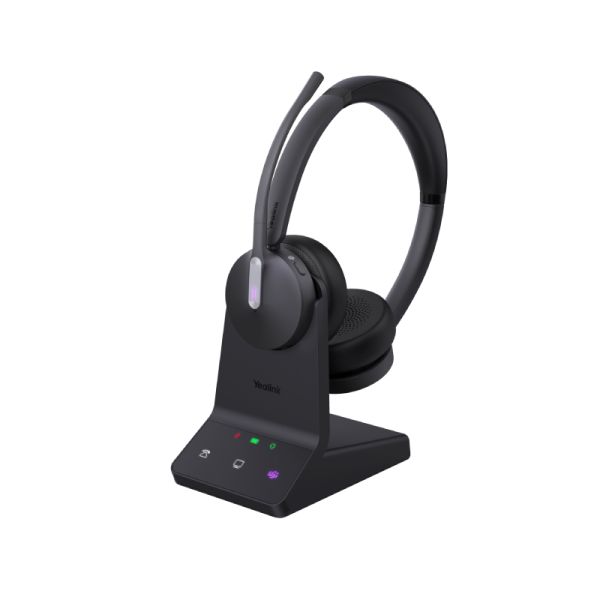
Yealink DECT WH64 Duo UC and Teams with base station |
| Multiple devices | DECT or Bluetooth + multi-device connectivity |
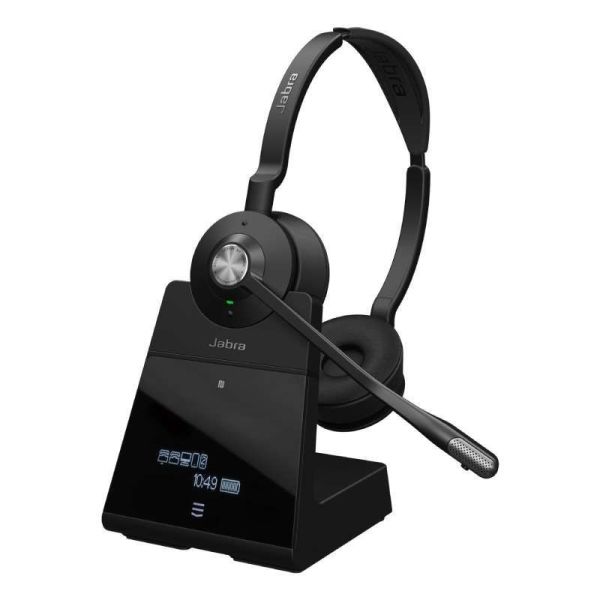 Jabra Engage 75 SE Stereo Wireless DECT Headset £272.99 £327.59 Incl. VAT |
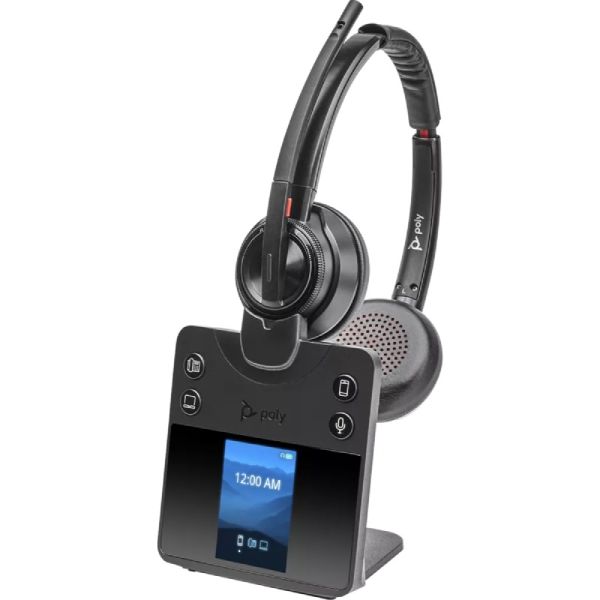
POLY SAVI 8420 Office Duo UC |
Yealink DECT WH64 Duo UC and Teams with base station |
| PC + smartphone / flexible working | Bluetooth |
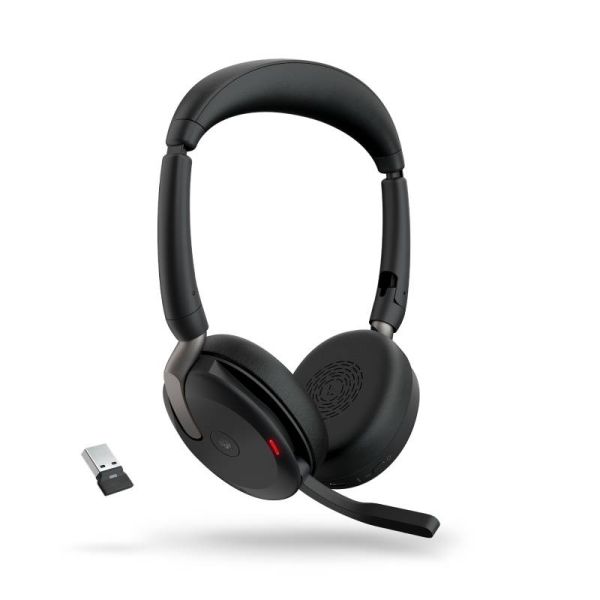
Jabra Evolve2 65 Flex USB-A MS Stereo |
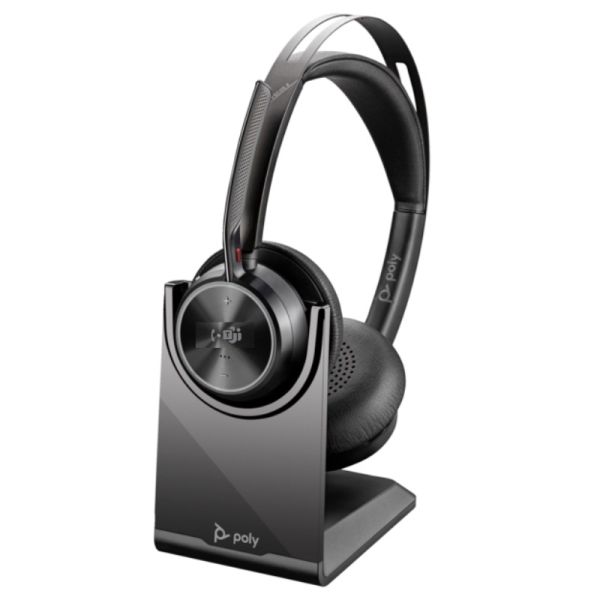
Poly Voyager Focus 2 USB-C-C Teams + USB-C to USB-A Adapter + Charging Base |
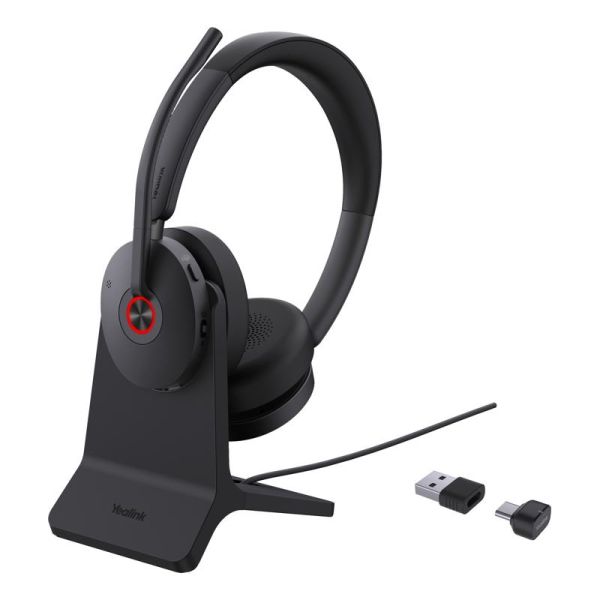
Yealink BH74 with Stand Teams USB-C/A |

IconFAQ - Frequently asked questions about call center headsets
What are the best headsets for call centers?
The best call center headsets depend on the workstation, the environment and the number of users. For agents at fixed desks, USB models offer a simple connection; for those who need to move around during calls, DECT is usually more suitable. In open or noisy environments, it is best to prioritise a good noise-cancelling microphone, Duo models and ANC technologies that help maintain concentration.
Jabra, Poly or Yealink for a call center?
It depends on each company's priorities. Jabra stands out for its design, comfort and models suited to hybrid working environments. Poly is particularly interesting for large deployments, as Poly Lens makes it easier to manage device fleets centrally. Yealink offers USB, DECT and Bluetooth options at competitive prices, making it an accessible choice for equipping a large number of workstations. For larger projects, you can also request expert advice and arrange product demos at your company premises.
Is DECT or Bluetooth better for a call center?
DECT is particularly suitable when the priority is moving around the office while maintaining a stable connection during calls. Bluetooth is more practical for users who need to connect their headset to several devices, such as a computer and smartphone, and switch between them throughout the working day.
Is a Mono or Duo headset better for a call center?
Mono headsets leave one ear free and make it easier to communicate with colleagues and stay aware of the surrounding environment. Duo models provide greater isolation and concentration, making them more suitable for open-plan call centers, noisy offices or agents who handle a high volume of calls.
Find the right headsets for your call center
Need to equip new workstations or replace an entire headset fleet? Request a personalised quote for your call center.
Form