Professional advice available Monday to Friday, 8.30am-5.30pm
Mon. to Fri. 8:30 a.m. – 6:30 p.m.
0333 123 3050
Call us!
Protect your team with certified ATEX phones designed for use in explosive or high-risk industrial zones. Whether in oil, gas, mining, or chemical sectors, these devices ensure safe and reliable communication where standard phones cannot operate.
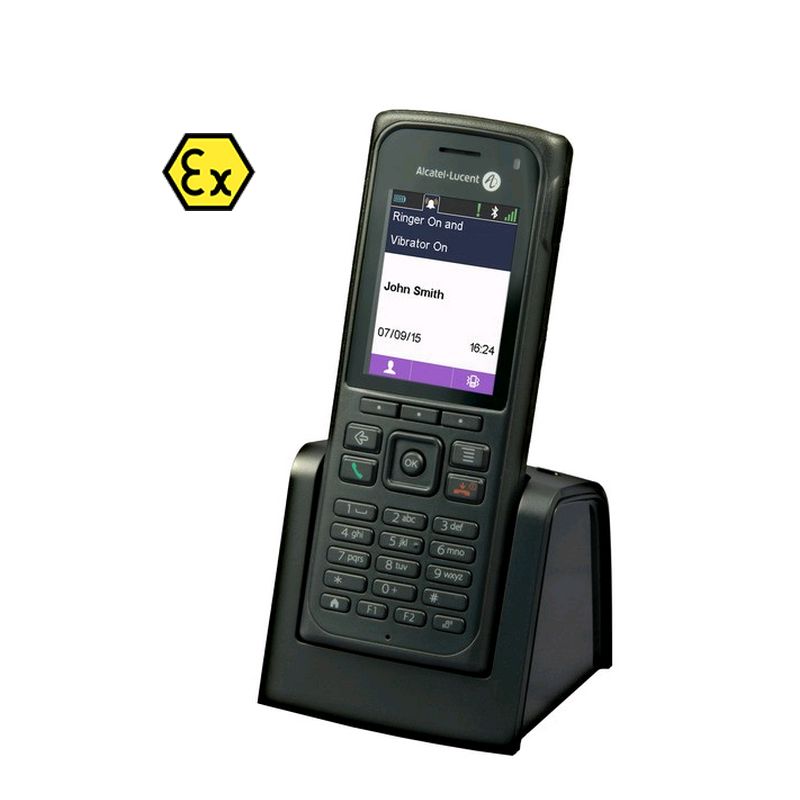
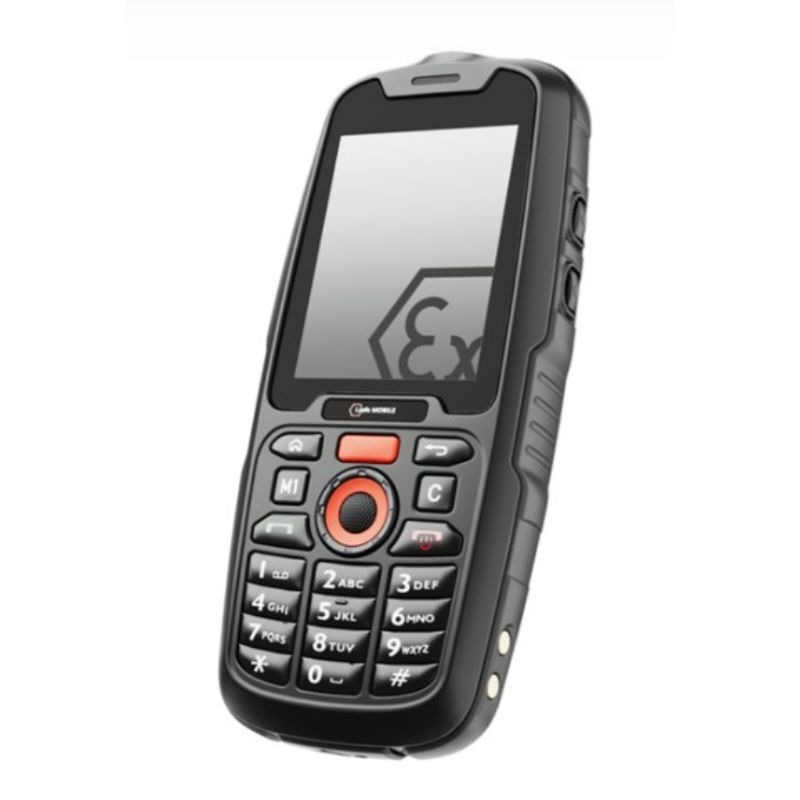
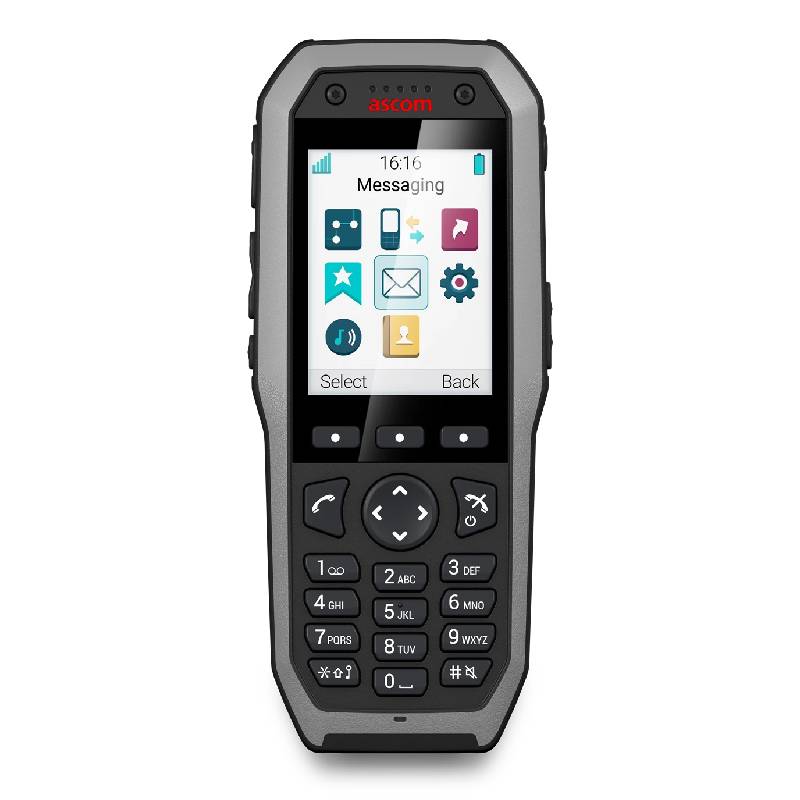
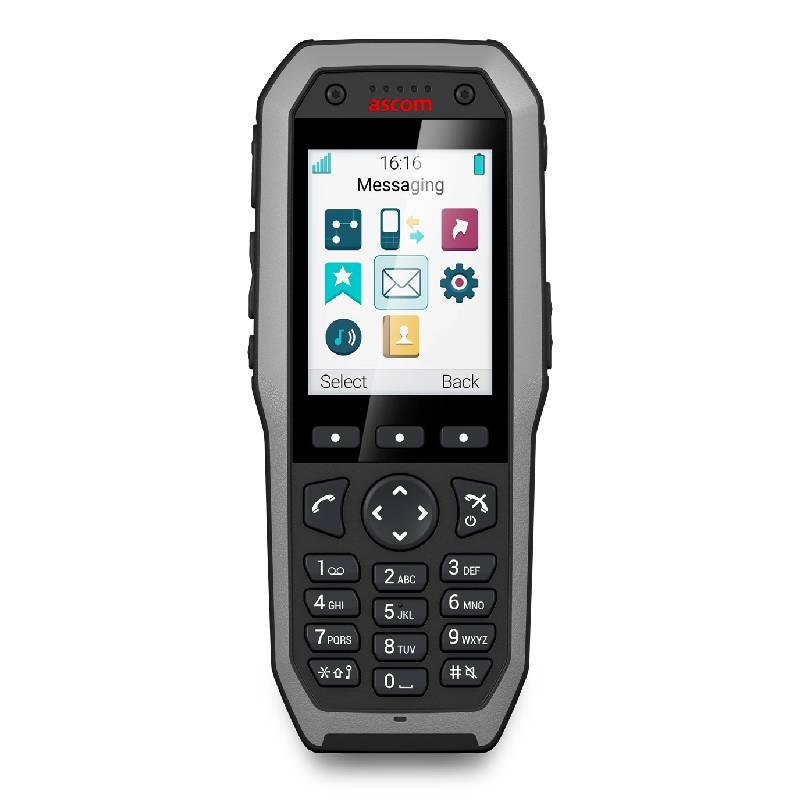
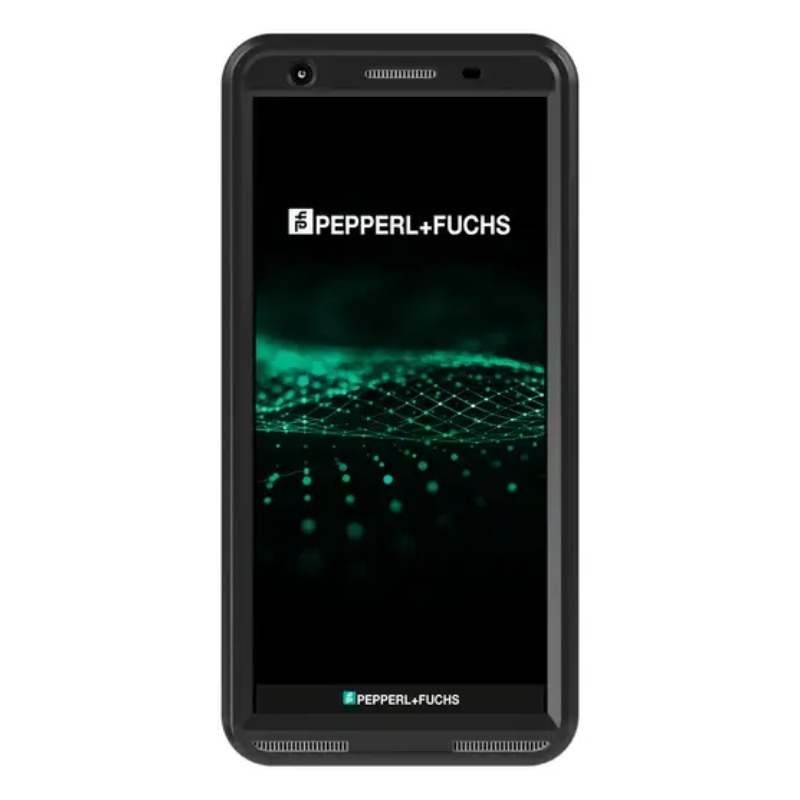
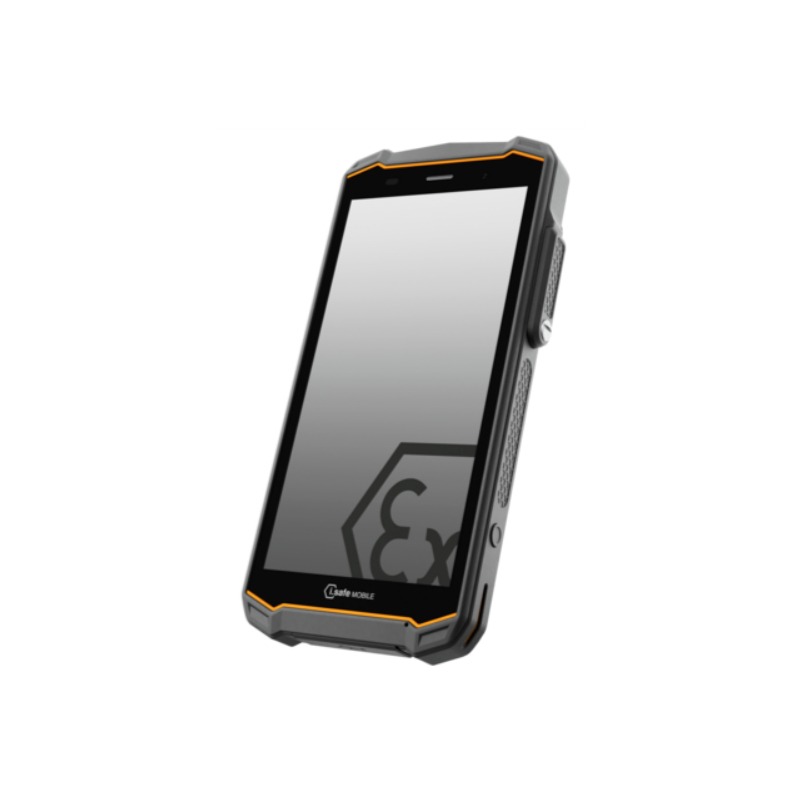
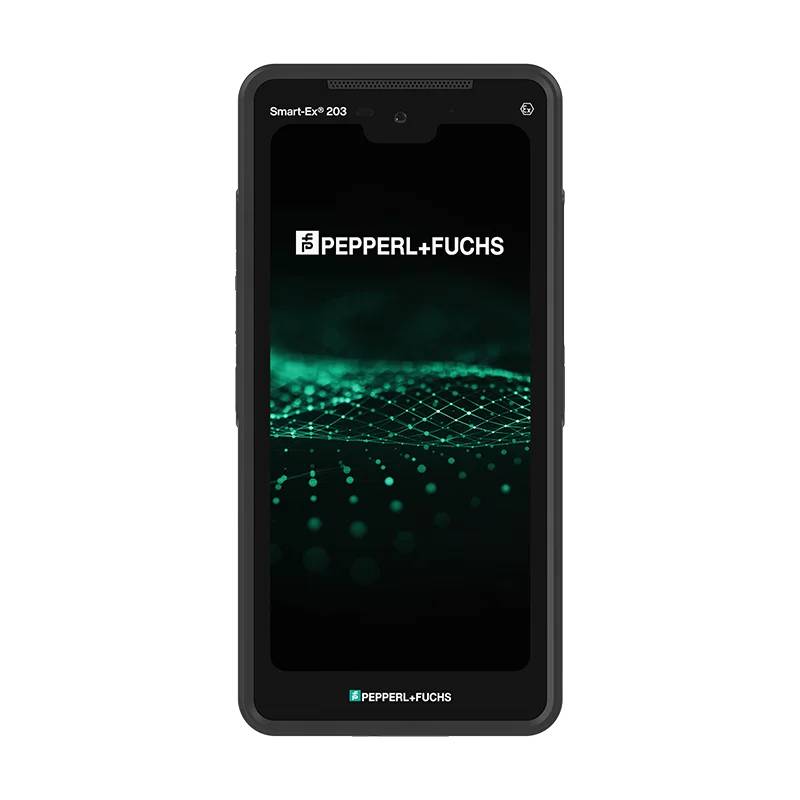
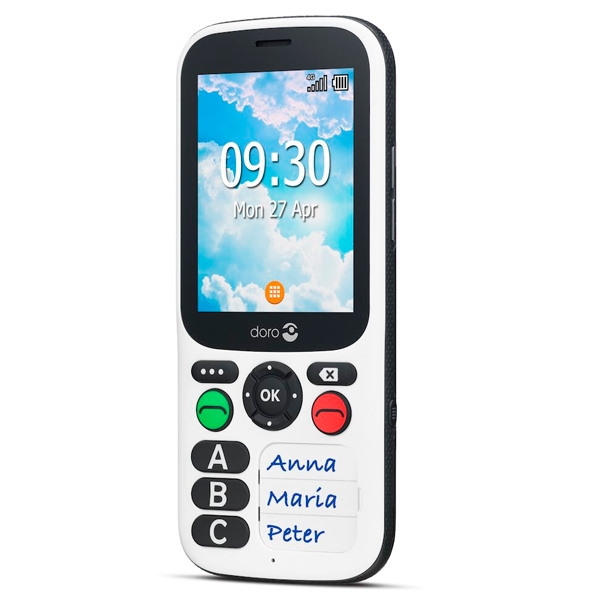
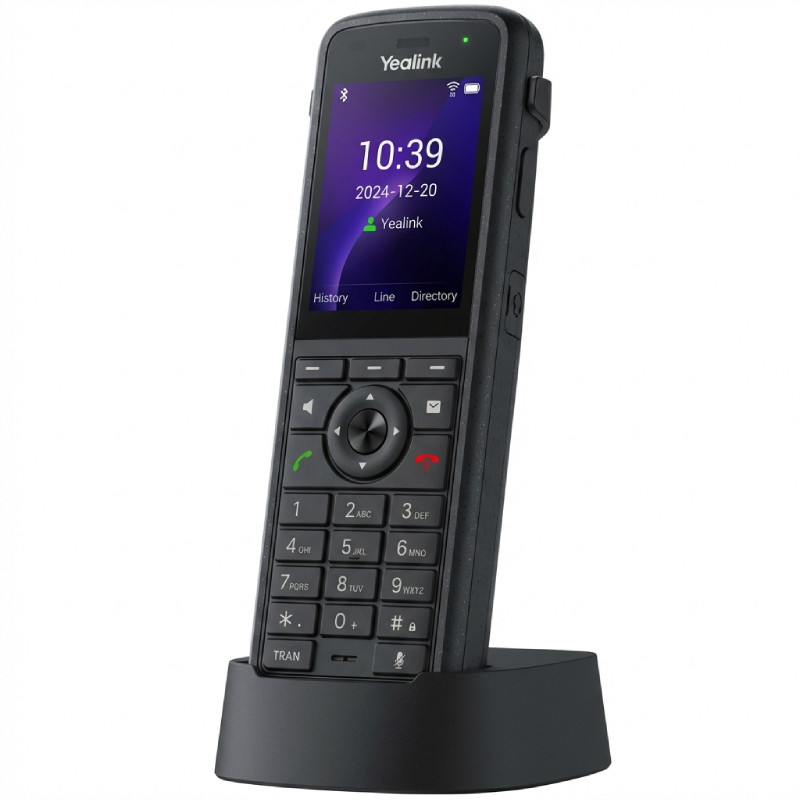
ATEX phones are specially designed communication devices intended for use in hazardous areas where explosive gases, vapours, or dust may be present. These mobile phones are certified under strict European ATEX directives, ensuring safe and reliable communication in high-risk environments such as oil platforms, chemical plants, and mining sites. In this guide, we’ll take a closer look at the benefits of using an ATEX-certified phone, offer practical usage advice, answer common customer questions, and help you determine which model best suits your professional needs.
ATEX phones are built to comply with strict European regulations (Directive 2014/34/EU) that govern equipment used in potentially explosive environments. These phones are typically certified for use in Zone 1, Zone 2, or both, meaning they are safe to use even in areas with frequent exposure to hazardous substances. This certification provides peace of mind and ensures legal compliance on work sites.
Unlike standard smartphones, ATEX-certified phones are ruggedised to withstand tough environmental conditions. Their enclosures are reinforced to resist impact, dust ingress, and high humidity. Many models are IP68-rated or MIL-STD-810 tested, meaning they can survive drops, water immersion, and extreme temperatures without compromising performance.
Modern ATEX phones are equipped with features like 4G LTE, dual SIM, push-to-talk (PTT), Wi-Fi, GPS, and NFC. This enables seamless communication across teams, even in remote or underground areas. Some models also support Android OS, allowing workers to use custom apps and integration with company systems.
Many ATEX phones include integrated SOS buttons, man-down detection, and lone worker protection systems. These features are crucial for improving worker safety in high-risk areas, where response time can make a significant difference in emergency situations.
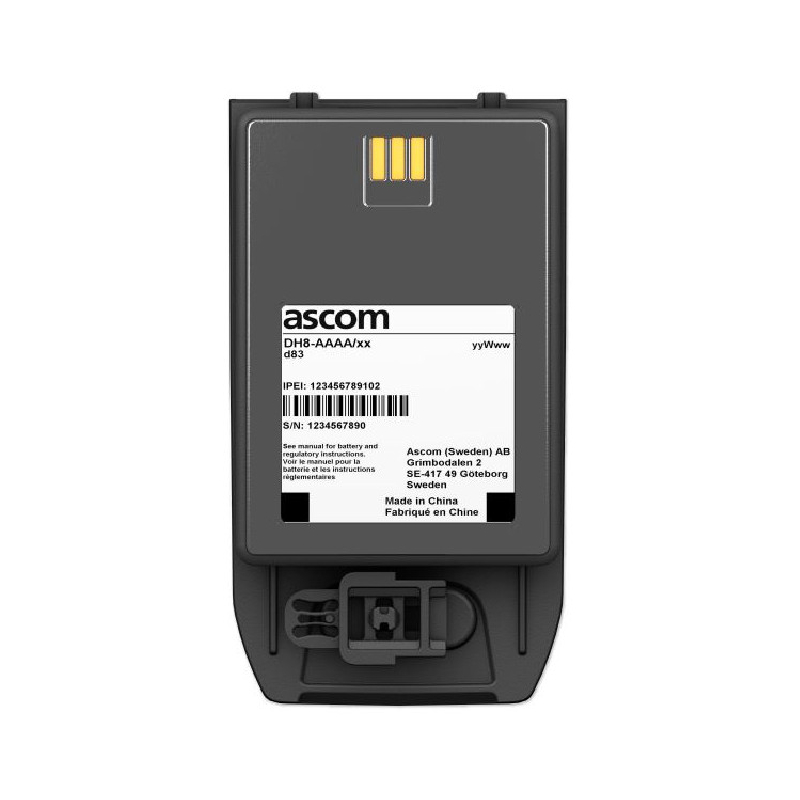
Designed for demanding conditions, ATEX phones often feature large batteries capable of lasting entire shifts or even multiple days. Some devices are equipped with hot-swappable batteries, ensuring continuous use without downtime — ideal for 24/7 industrial operations.
Working in explosive zones often requires gloves and protective gear. ATEX phones are designed with glove-compatible touchscreens, allowing easy navigation and control without needing to remove safety equipment. This ensures both usability and compliance with health and safety standards.
Before using an ATEX phone, always verify that it is certified for the correct ATEX zone classification relevant to your worksite. Zone 1 devices are suitable for environments where explosive atmospheres are likely during normal operations, while Zone 2 devices are meant for areas where such risks occur only occasionally. Additionally, ensure your team is trained to handle and maintain these devices, especially regarding battery charging and firmware updates. Use only original accessories provided by the manufacturer to preserve certification and avoid risks.
It’s also important to maintain your ATEX phones regularly. Clean them using antistatic cloths and avoid exposing them to non-certified chargers or repair shops. Since most models are Android-based, avoid installing unnecessary apps that could slow down the system or compromise security. Always check for software updates through authorised platforms to keep your device operating safely and efficiently in your daily industrial routine.
What is an ATEX phone?
An ATEX phone is a mobile communication device that has been tested and certified for safe use in explosive atmospheres. These phones are essential in industries like oil and gas, chemicals, mining, and manufacturing where combustible materials are present.
Who needs an ATEX phone?
Workers operating in ATEX-rated zones — such as maintenance engineers, site managers, and safety officers — require certified devices to ensure their safety and compliance with workplace regulations. ATEX phones are particularly important for lone workers or those operating in confined or remote areas.
Are ATEX phones compatible with regular mobile networks?
Yes, most ATEX phones support standard 4G or 5G mobile networks. They are often dual SIM, allowing users to operate them with both personal and work SIM cards or to switch between networks depending on signal strength in remote locations.
Can I use my ATEX phone outside hazardous zones?
Absolutely. These devices function like standard smartphones and can be used in both explosive and safe environments. Their rugged design makes them ideal for outdoor use, construction sites, and other demanding professional settings.
Do ATEX phones support modern apps and features?
Many ATEX phones run on Android OS and support a wide range of business applications, including video calls, barcode scanning, GPS navigation, and workforce management tools. Just ensure the apps installed don’t compromise the phone’s secure operating environment.
ATEX phones combine robust safety with smart technology to meet the demands of hazardous work environments.
Browse our full range now and find the right device to enhance both productivity and protection on your worksite.